Berlinale 2026 - 76th Anniversary
What we loved at Berlinale Shorts this year
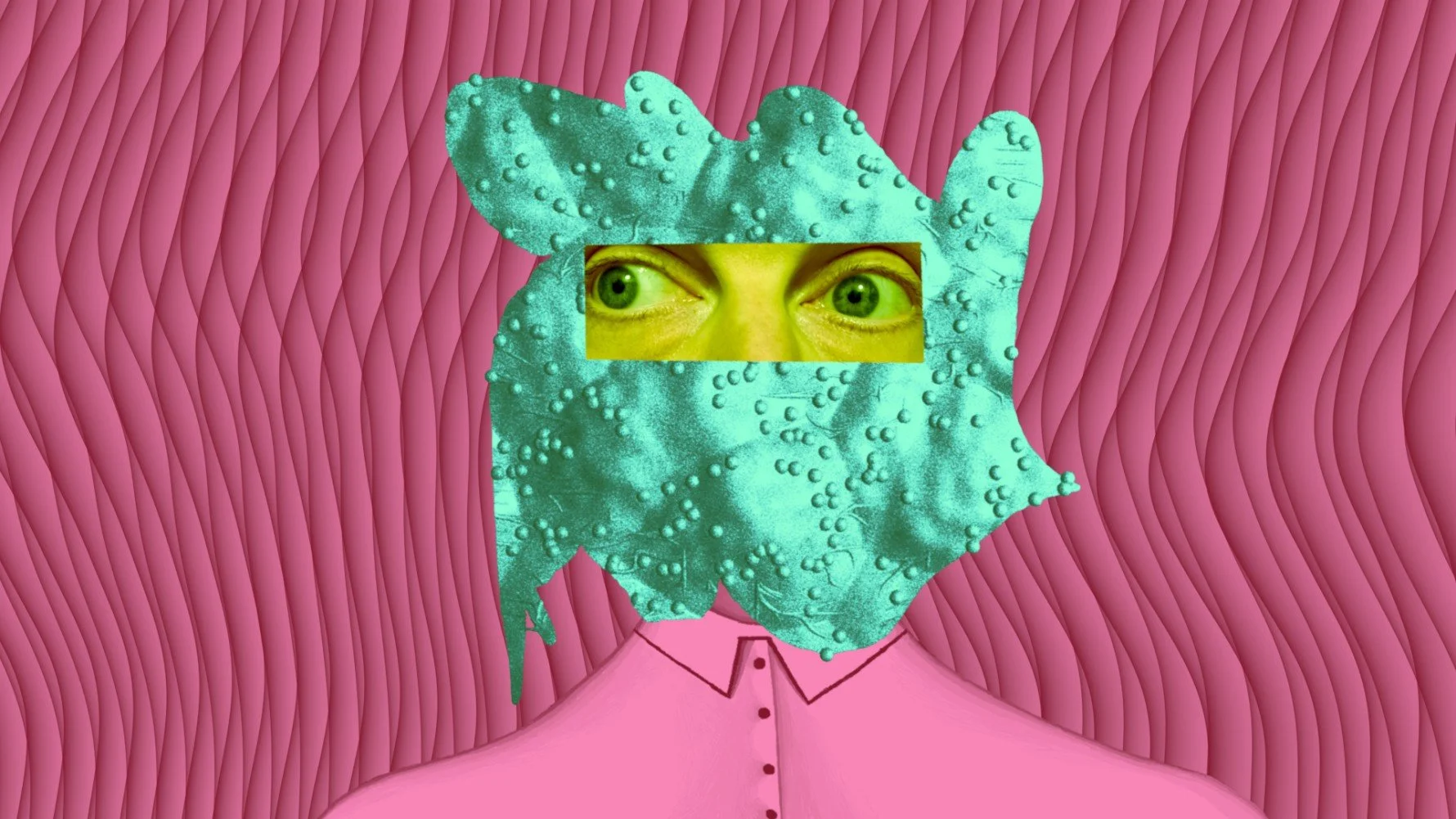
Still from Unidentifizierte Unflugobjekte (UUO) (Unidentified Nonflying Objects (UNO)).
By Curation Hour
Marked by what Anna Henckel-Donnersmarck, head of Berlinale Shorts, describes as a “quiet yet unwavering defiance,” this year’s programme repeatedly turns to magic as a means of resistance, with small, enchanted gestures pushing back against rigid systems and assigned roles.
Across fiction, animation and documentary, the 2026 selection once again proves the short form’s singular ability to distil vast political, emotional and historical realities into moments of striking clarity. Across fiction, animation and essayistic documentary, the programme moves between myth and material history, intimate longing and collective memory. War is heard rather than seen, archives speak where institutions fall silent, and imagined worlds open up as refuges from rigid systems. Together, these films ask how we adapt, quietly or radically, when reality presses in.
Here’s a selection of our favourites:
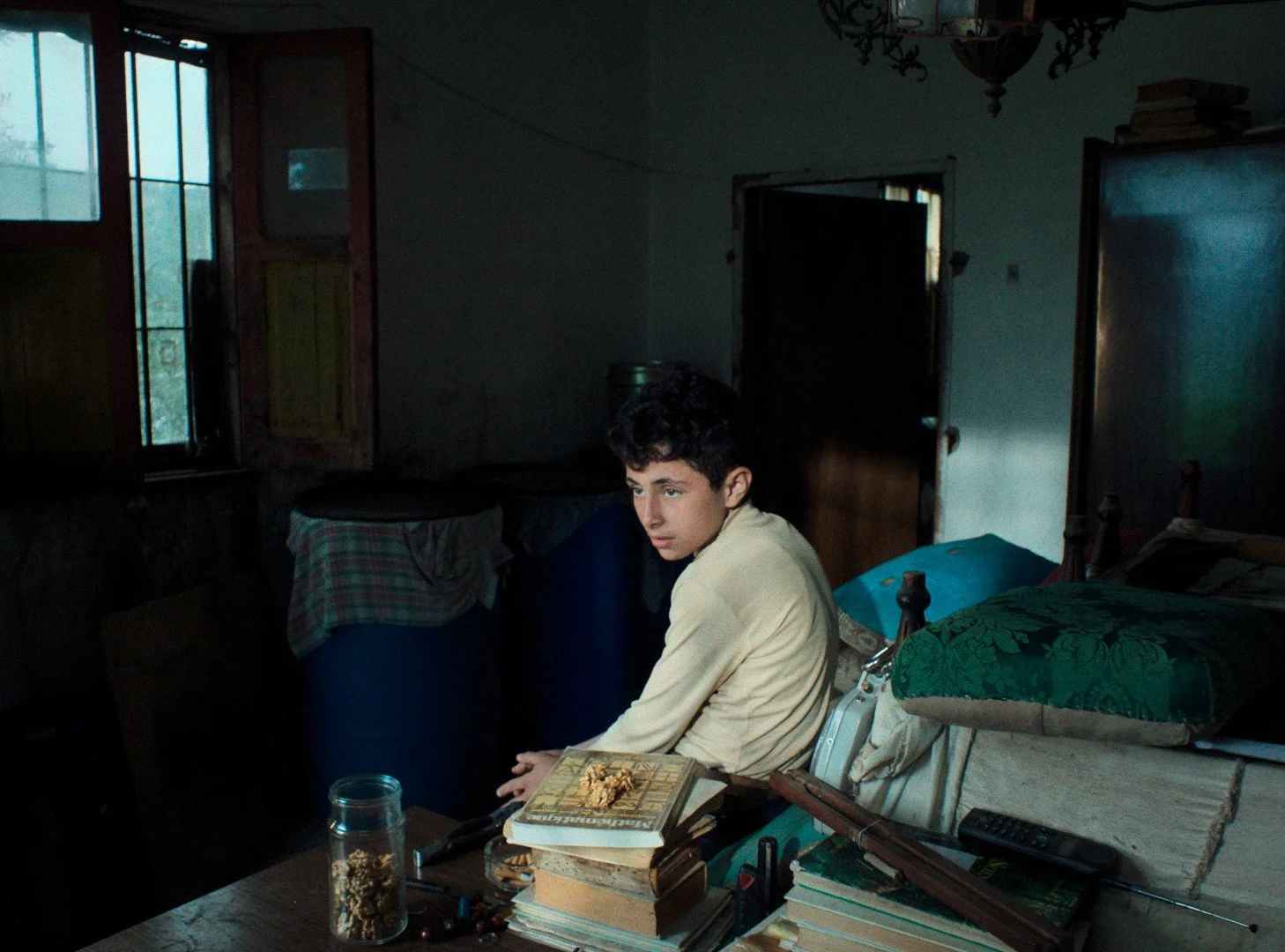
Yawman ma walad (Someday a Child). Directed by Marie-Rose Osta
In a Lebanese village where the roar of warplanes punctuates daily life, a young boy lives with a power he is urged to suppress. Raised by his uncle, who tries to teach him how to pass as “normal,” the boy’s extraordinary gift becomes both a source of wonder and danger.
Yawman ma walad (Someday a Child) unfolds as a delicate allegory of inheritance and restraint, where the violence of the outside world echoes in the intimate act of self-erasure. Osta’s film quietly asks what it costs to survive by hiding who you are, exploring the tension between potential and the pressures of conformity, and revealing how childhood and power intersect in moments of both awe and fear.
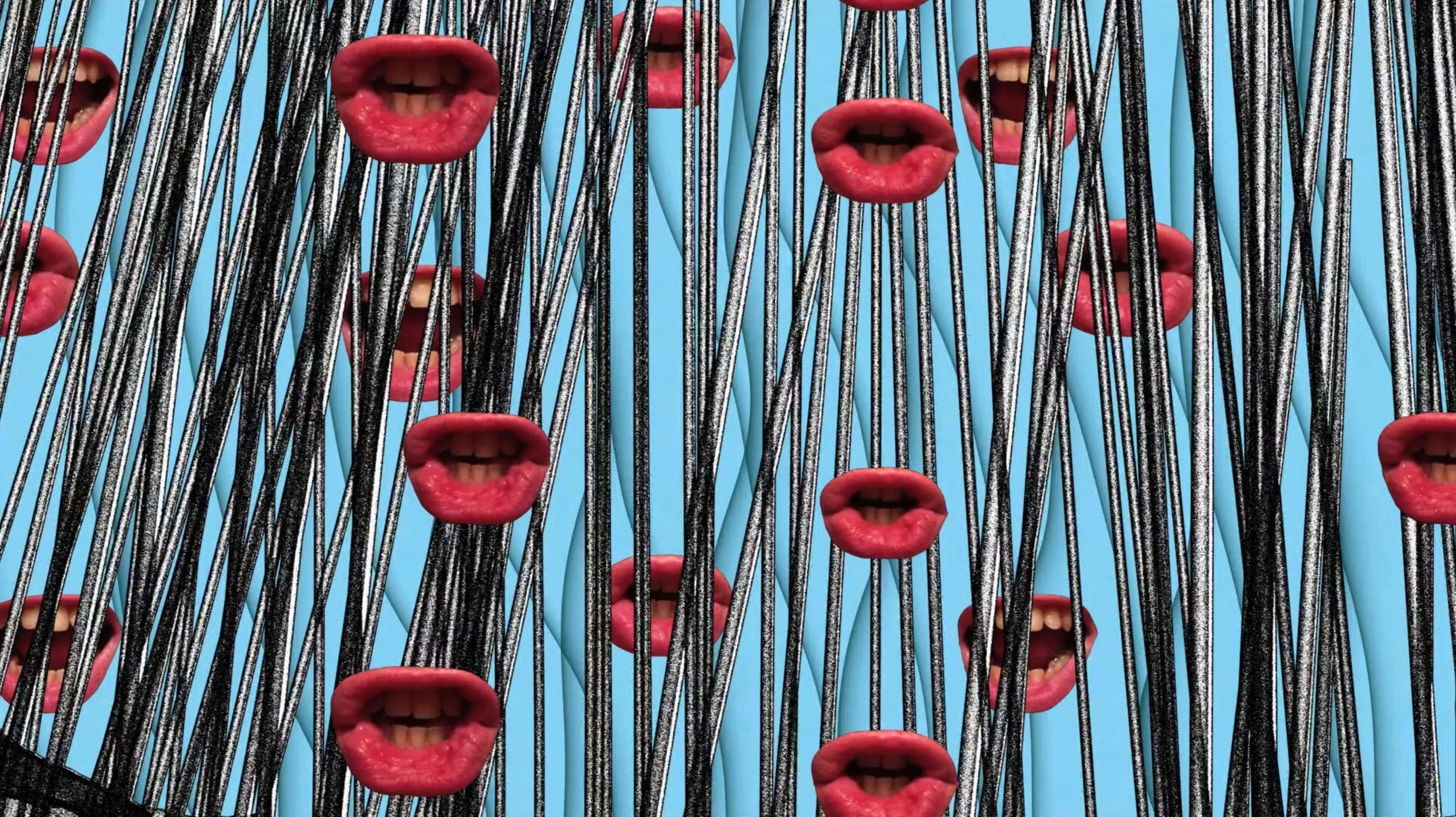
Unidentifizierte Unflugobjekte (UUO) (Unidentified Nonflying Objects (UNO)). Directed by Sasha Svirsky
This animated odyssey explores the fragility of systems that appear fixed and immutable. As reality seeps through imposed boundaries, order begins to crack and mutate, growing like organic matter beyond control. UUO (UNO) is both playful and unsettling, using abstraction and movement to suggest that no structure—political, social or technological—can remain sealed forever.
With its fluid, imaginative forms and a collage-like, tactile feeling, UUO (UNO) invites reflection on the impermanence of control, the persistence of the unexpected, and the subtle, almost magical ways that disruption reshapes perception and understanding.
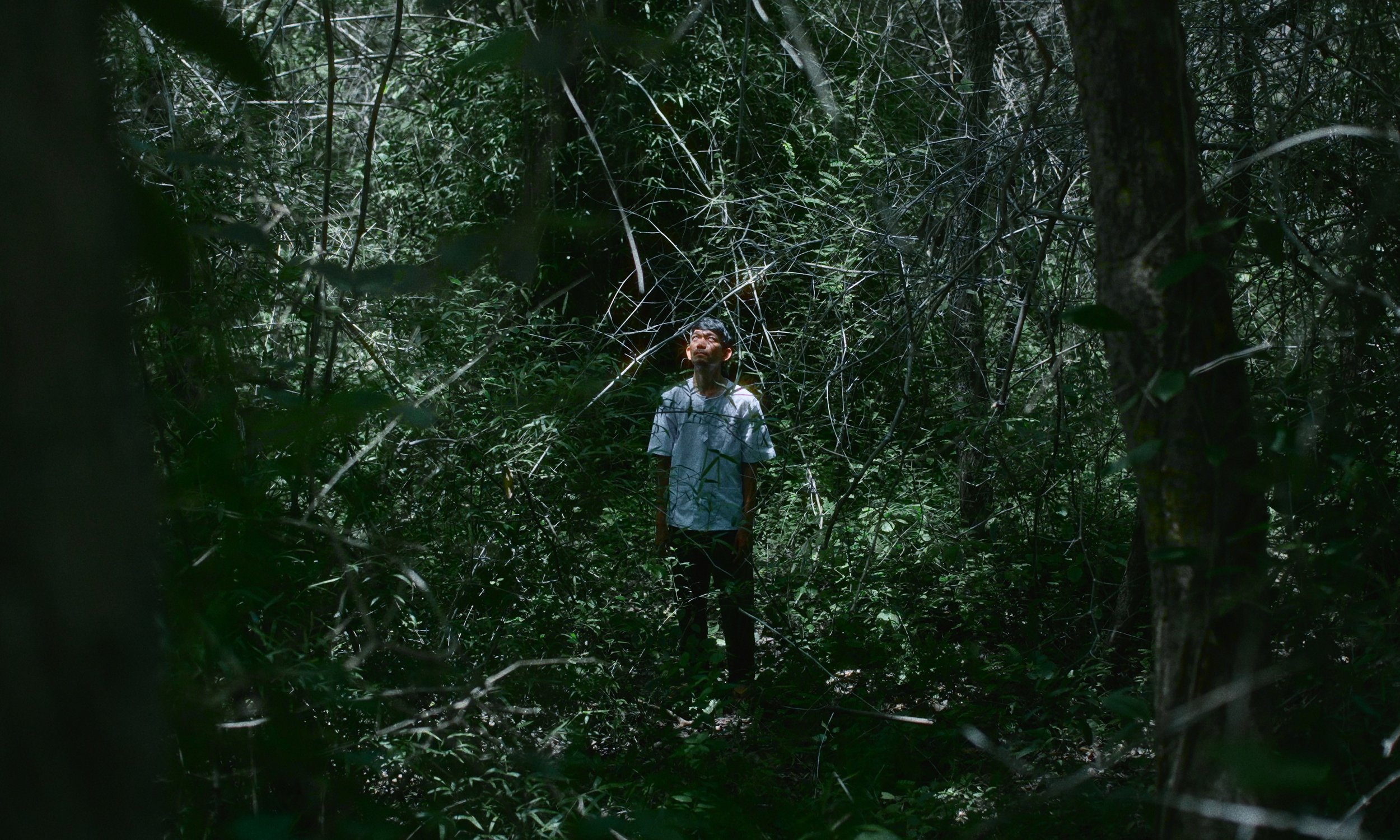
Oupatevak het tam phnom (Incident on the Mountain). Directed by Savunthara Seng
A long-forgotten helicopter crash becomes the starting point for a journey into memory, myth and ritual. As a journalist and a soldier climb into the mountains to investigate the incident, they encounter a shaman who recounts ancient rain ceremonies rooted deep within the forest.
Blurring documentary inquiry with spiritual storytelling, Oupatevak het tam phnom (Incident on the Mountain) evokes a landscape where history is not archived but lived, whispered and performed; inviting the audience to witness the intimate intersections of human curiosity, cultural memory, and the enduring power of ritual.
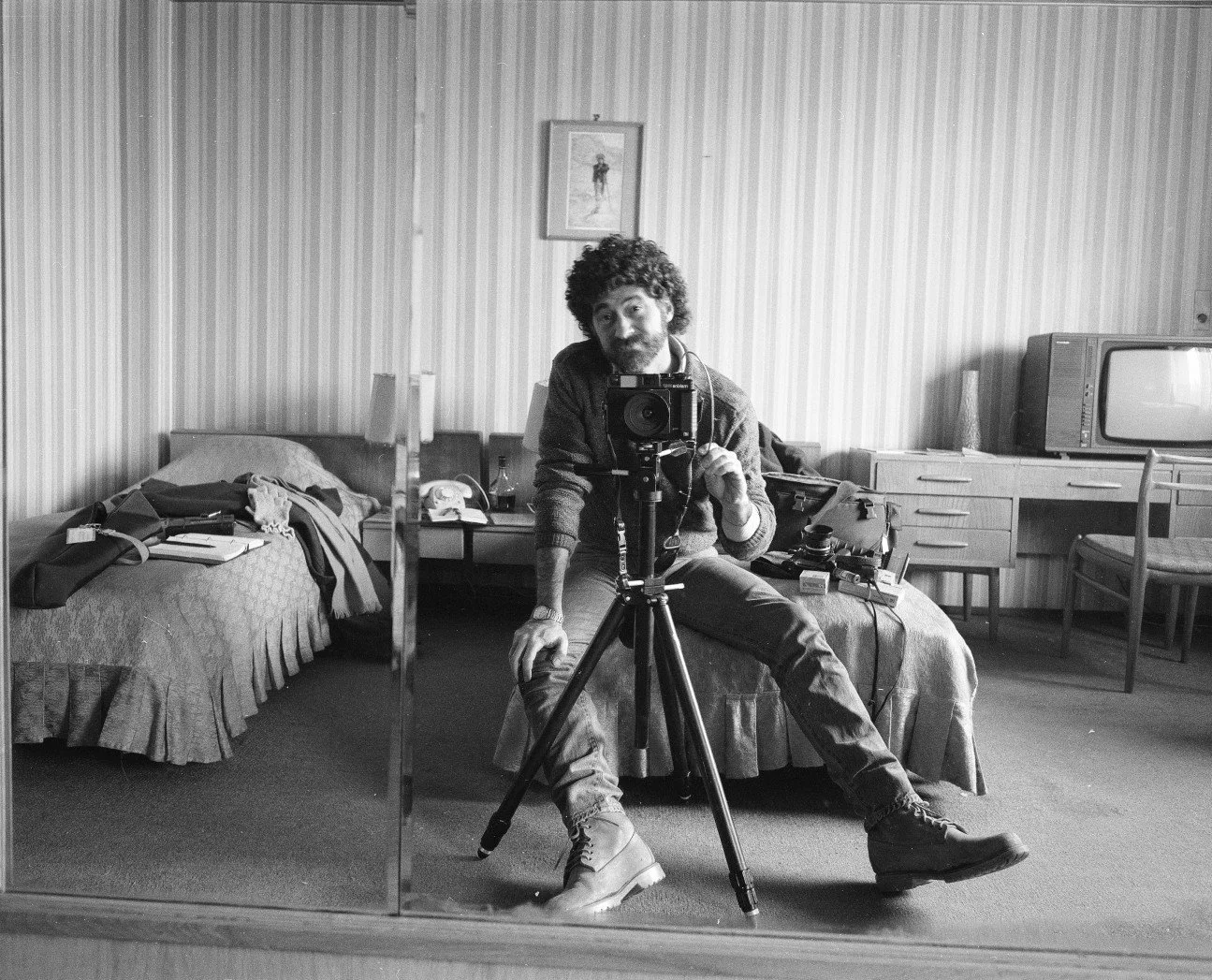
Plan contraplan (Shot Reverse Shot). Directed by Radu Jude
During the 1980s, American journalist Edward Serotta documented the everyday realities of Jewish life in socialist Romania, traveling under the clandestine gaze of the secret services. Plan contraplan (Shot Reverse Shot) unfolds as a photo essay from opposing perspectives, juxtaposing personal testimony with surveillance and state control. Jude’s film navigates the uneasy space between witness and surveillance, showing how memory, documentation, and authority collide. Through a meticulous, almost tangible assembly of photographs and perspectives, it captures both the closeness of personal experience and the weight of systemic control.
Plan contraplan (Shot Reverse Shot) feels strikingly urgent, connecting past and present while probing the enduring echoes of political oversight and the ways history is seen, recorded, and interpreted.
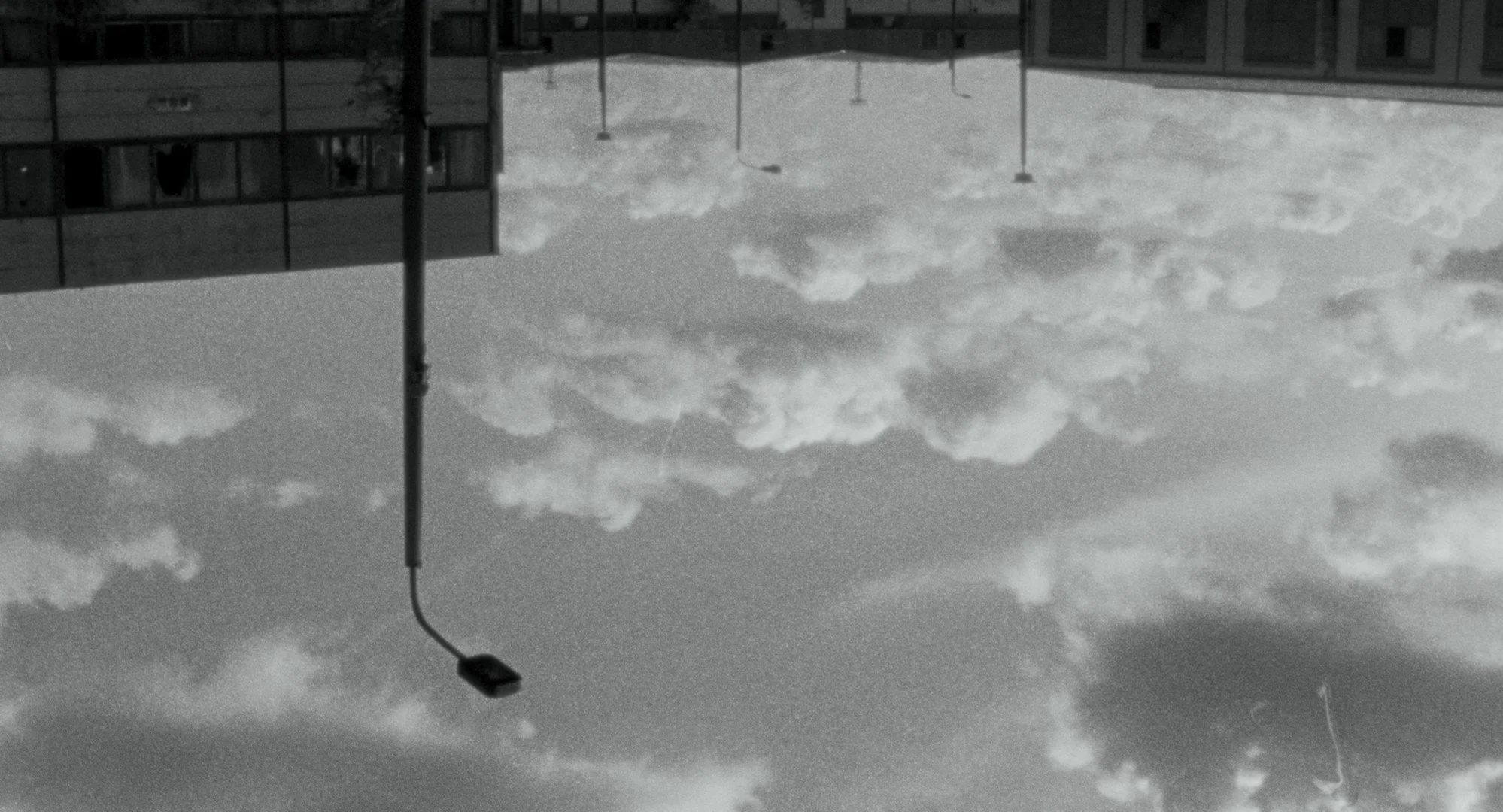
Mit einem freundlichen Gruss (With a Kind Regard). Directed by Pavel Mozhar
More than 400 job application letters, found in an abandoned GDR factory, form the emotional core of this quietly devastating archival film. Written at a moment of economic and ideological transition, the letters reveal fears, hopes and deeply personal attempts to find stability within a newly imposed free-market reality.
Mit einem freundlichen Gruss (With a Kind Regard) gives voice to a generation negotiating disappearance—of labour, of identity, of certainty—through the fragile act of writing, capturing the tension between individual aspiration and historical forces, and rendering the ephemeral traces of lived experience into enduring cinematic reflection. At the same time, the film feels unsettlingly current, speaking to ongoing questions of precarity, societal expectation, and the ways personal histories echo into the present.
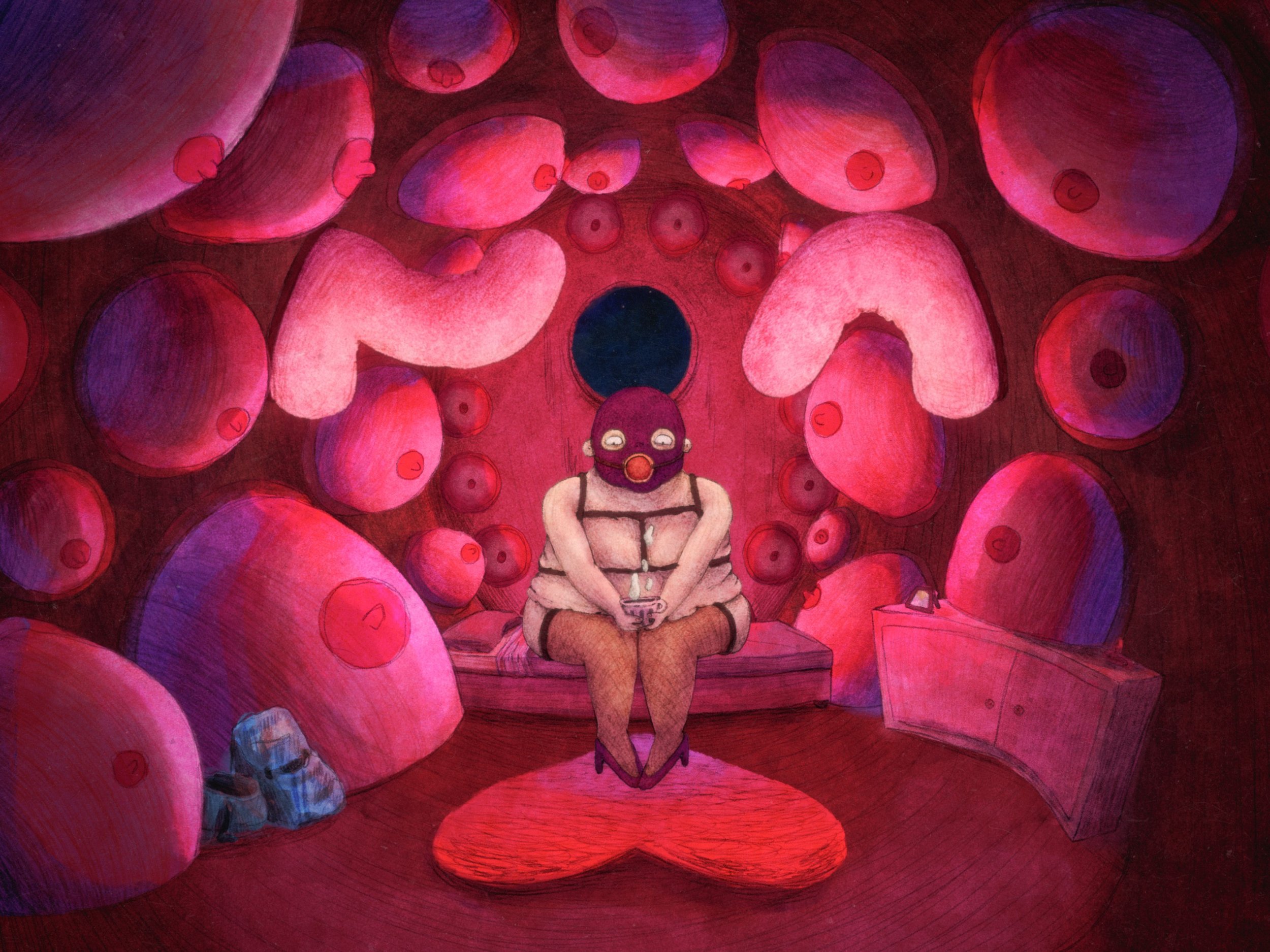
Cosmonauts. Directed by Leo Černic
Set aboard an intergalactic cruise for singles, Cosmonauts turns outer space into a tender arena of human longing. Amid neon colours and playful absurdity, its passengers chase fleeting connections: a kiss, a touch, the promise of intimacy.
Černic’s film balances humour with melancholy, reminding us that, even far from this Earth and among the stars, desire remains stubbornly earthly, and that the search for connection, however cosmic in scale, is always intimately human, fragile, and urgent.
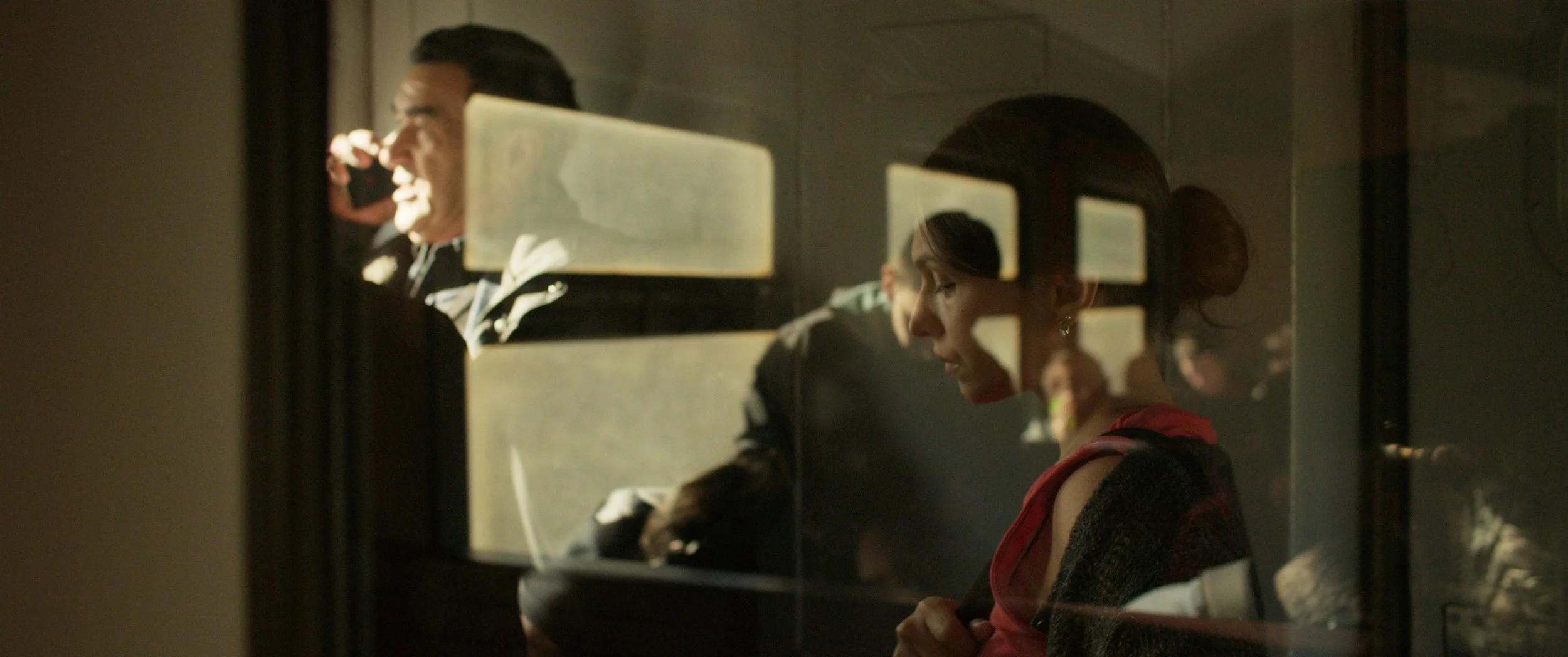
Yuragim. Directed by Varia Garib and Kirill Komar
Saida moves seamlessly between the roles of teacher, daughter, translator, and fixer like a train following predetermined tracks. As her boss draws closer, she is forced to confront the limits of compliance and the possibility of disappearance.
Yuragim captures the quiet tension of existing within a system that demands loyalty while eroding autonomy, offering a portrait of a woman poised between endurance and escape, and illuminating the delicate balance between agency and obligation in a world where every choice is constrained by circumstance.
These films represent just a fraction of a programme that is rich in formal invention and emotional resonance. This year’s Berlinale Shorts selection is filled with works that linger and films that listen closely to history, bend reality to expose its fractures, and imagine other ways of being when the present becomes unbearable.
To explore the full selection and discover all the films premiering at the festival, check out the complete Berlinale Shorts 2026 lineup here.