SCAROSSO - THE ACT OF BECOMING
A meditative portrait of craftsmanship, time, and transformation
Directed by Bruno Nogarotto
words by Isabella Bazoni
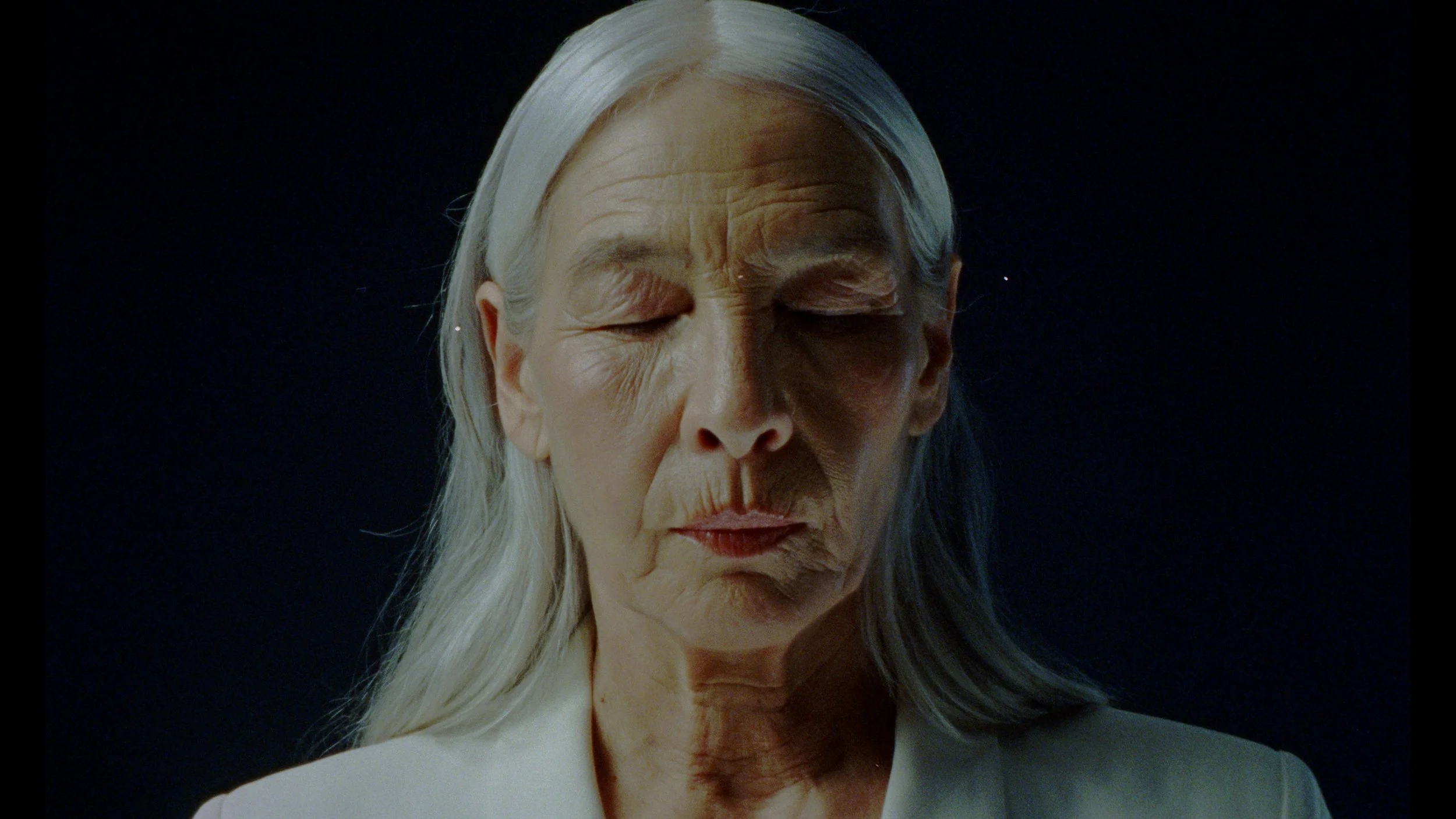
In Scarosso — The Act of Becoming, director Bruno Nogarotto leans into stillness, building the film around the quiet precision of an artisan at work. Inside a small workshop, an elderly Italian craftswoman shapes a shoe by hand. We are invited to witness a quiet choreography of repetition and focus, where every movement carries the weight of experience.
Rather than imposing a narrative, Nogarotto lets the process unfold on its own terms. His background across fashion and music lingers subtly in the attention to detail and rhythm, but here it’s pared back—more observational than stylised. What emerges is a piece that feels patient and tactile, where time stretches, gestures accumulate, and meaning is found in the act itself.
Your film is built around a very intimate and observational premise. What initially drew you to focus on this quiet, meticulous process?
The film comes from a very spontaneous interest in craftsmanship and in everything that is made with care and precision. I was fascinated by the idea of telling something extremely intimate and quiet, where repeated gestures almost become a language. I wanted to focus on the act of observation before creating something from nothing.
How did you approach capturing the artisan’s hands and gestures in a way that feels both cinematic and authentic?
When it came to the artisan’s hands and gestures, I tried to get as close as possible without ever being intrusive. The goal was to find a balance between a cinematic gaze and the truth of the moment, letting the movements naturally guide the rhythm of the shots. I worked a lot with light and composition to enhance the details, trying to create iconic images of the hands, almost as if they were the true protagonist of the entire film.
There’s a strong sense of time and slowness throughout the piece. Was this rhythm something you discovered and developed in the edit, or was it present from the very beginning of your concept?
The sense of time and slowness was already part of the initial intention. It was then developed and refined in the edit, but the idea was always to build a rhythm that truly reflects the artisanal process, with a strong focus on the hands and the artisan’s gaze.
“I was fascinated by the idea of telling something extremely intimate and quiet, where repeated gestures almost become a language.”
Your work often moves between fashion and music, how did those influences shape the visual language of this film?
My work moves between fashion and music, and these two influences naturally shaped the visual language of the film. From music, I bring a strong sense of rhythm and repetition, which is reflected in the way the sequences are built and in the timing of the images.
From fashion, I take a strong attention to aesthetics and detail, which in this case was essential to highlight the gestures and the material.
At the same time, I don’t make a strict distinction between these two worlds. I’ve worked a lot in music, and the approach I bring to a project like this is the same: the attention to framing, rhythm, and visual construction doesn’t change.
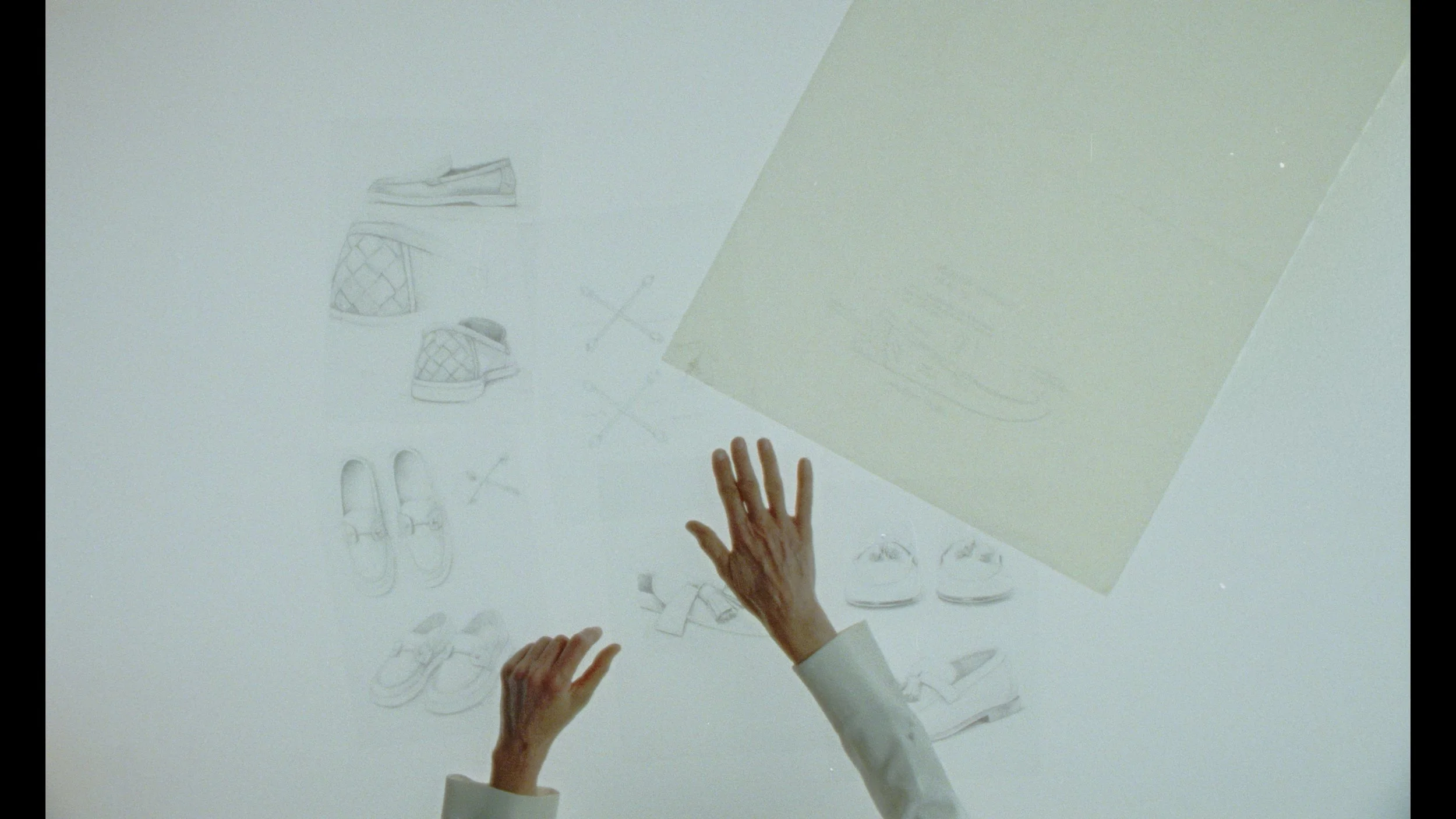
“The goal was to find a balance between a cinematic gaze and the truth of the moment, letting the movements naturally guide the rhythm of the shots.”
The film feels almost meditative, inviting the viewer to focus on craft and detail. What kind of emotional or sensory experience did you hope to create?
I wanted to create an almost meditative experience, inviting the viewer to slow down and observe. More than telling a story in a traditional sense, I was interested in conveying a feeling—something tactile and sensory that could express the value of gesture and the artisan’s experience.
Working with a real artisan certainly brings a different kind of presence to the screen. How did you balance documentary observation with your own artistic direction?
Working with a real artisan brought a very authentic presence to the film. I tried to respect her way of working, intervening as little as possible, while at the same time building a visual language that felt coherent with the project. It was a balance between observation and direction, leaving room for unpredictability.
As you continue to explore both commercial and personal projects, where does this film sit within your evolving body of work?
This film is part of a path I’m developing more and more, where I try to bring commercial and personal projects closer together while maintaining a consistent point of view. It represents this phase well, where I’m interested in exploring a more essential aesthetic and a more intimate approach.
director — BRUNO NOGAROTTO
cinematographer — ALESSANDRO RESSIA DOMINOS
1st ad and producer — ALESSIA LULLO
gaffer — LORENZO MASSA SALUZZO
key grip — LUCA SIRTORI
set designer — GIULIA ZOLLET, SARA BÉ.
sound engineer — MARCO
sound designer — AGIT UTLU
subtitles quality assurance — MARTA GORI
edit and colour grading — BRUNO NOGAROTTO
vfx — MATTEO CROCI
cast — LORELLA POZZI
model agency — STREETPEOPLECASTING
rental — MILANOSTUDIO
film scan — AUGUSTUSCOLOR
thanks to — SCAROSSO