CICADA CLOUDS
Revisiting a childhood memory involving a cicada
Directed by Dennis Tae Wook
words by Katie Huelin
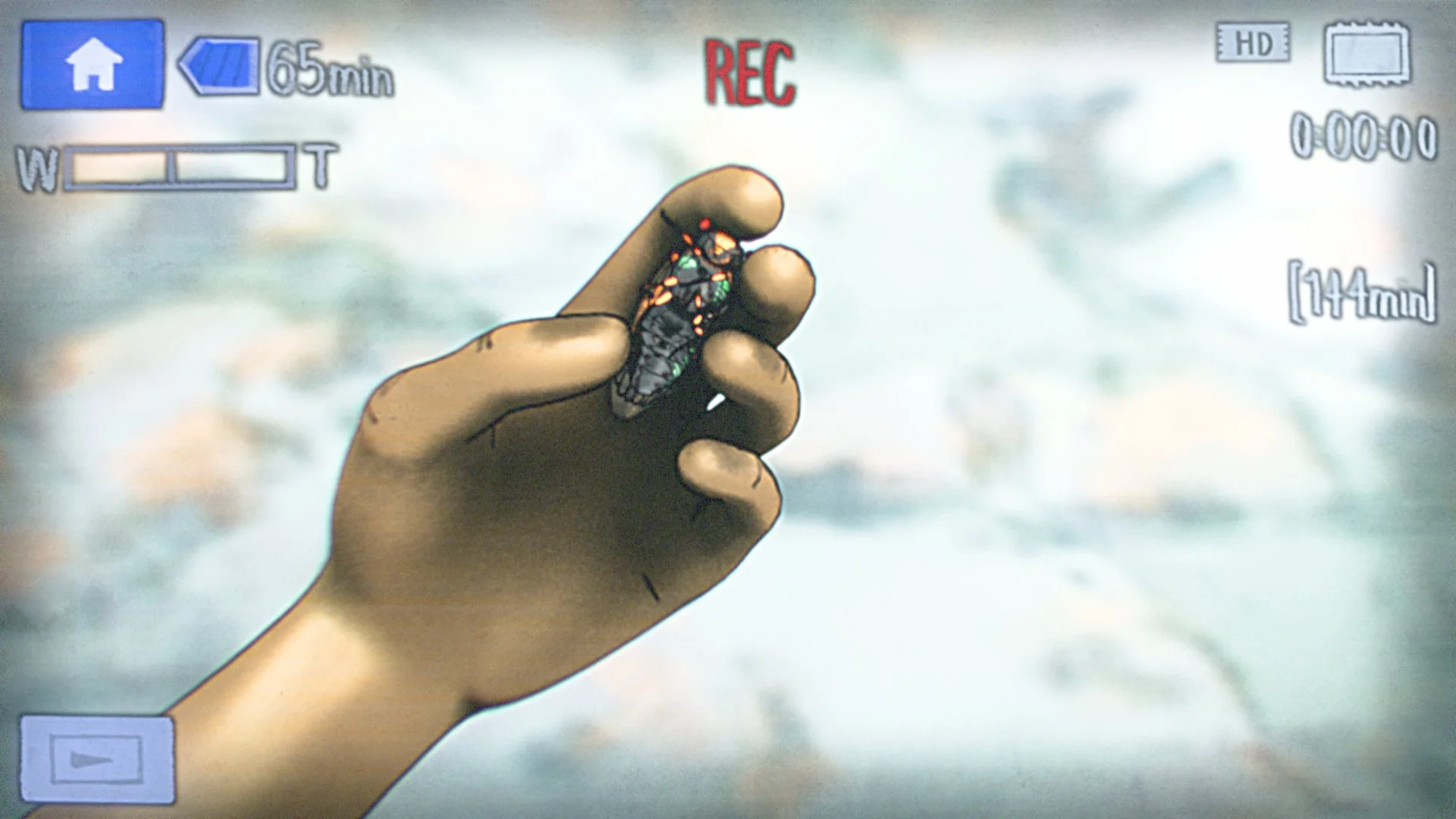
CICADA CLOUDS unfolds through fragments of memory, where childhood perception, nature, and silence quietly intersect. Directed by Dennis Tae Wook Kim, the semi-autobiographical animated short revisits a formative moment through drifting images and subdued sound, blurring the line between recollection and dream.
Drawing from magical realism and Matsuo Bashō’s poem “The Cry of the Cicada,” the film resists explanation, instead lingering in feeling. An understated portrait of boyhood and the strange clarity found in moments we don’t yet know how to name.
CICADA CLOUDS feels like an intimate drift through memory that is part poem, part hallucination. What was the first impulse behind revisiting this childhood moment?
I'd like to preface this by telling the actual events of that childhood incident.
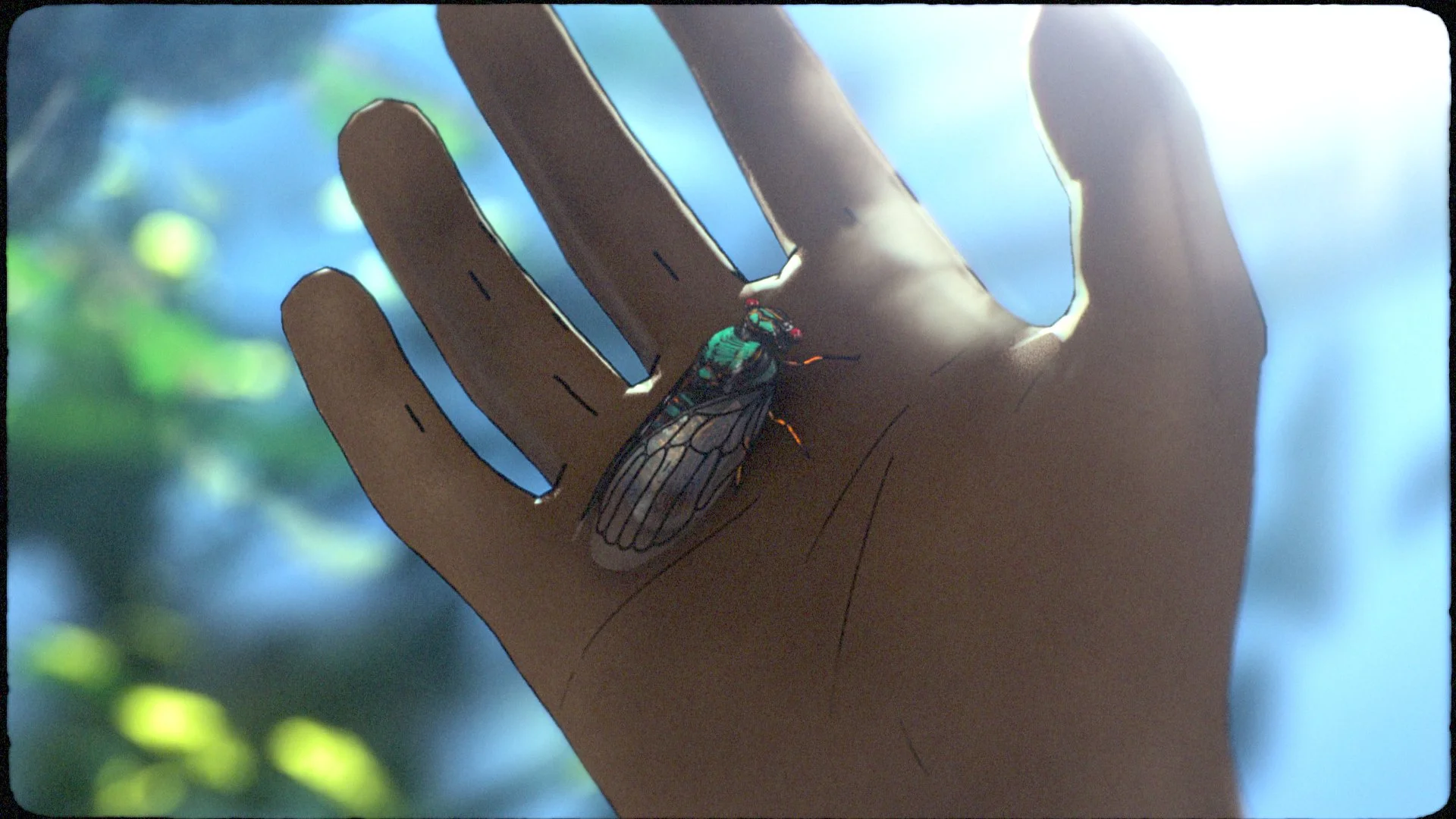
When I was in fifth grade I was sent to a summer camp in Korea, and being a third-culture kid I felt isolated and was absolutely miserable during my time there, crying every single day. Our dorms were just one big communal room - like a hallway - that we all shared, leaving no room for privacy (this is important). One day on a hike, some older kids had caught a cicada and were playing with it, eventually killing it. I remember just watching like a bystander, letting it play out. I wasn't new to catching bugs (my cousins and I often caught dragonflies together) but destroying a life so carelessly was a first, and I think witnessing that happen right in front of me froze me emotionally.
Later that evening when we returned to our dorms, we found the entire room filled with flying ants - all over the floor, the walls, our belongings. It was as if Mother Nature was punishing us for that cicada's death. But rather than feel anxious or afraid in that moment, I felt this glimpse of understanding. That was the first time I remember feeling awestruck with wonder at life and its magic. Funnily enough, I stopped crying the rest of my time at the camp since that incident.
The film - as an alternate extension of this memory - is a form of remembrance; a way to come home to my inner child and rediscover what I had lost. This past year I've been diving deeper into what kind of life I want to live and what that might look like, and while I don't have a clear answer yet, I've been practicing bringing more joy into my life. It's something simple we often take for granted after 'growing up', and for the longest time I either suppressed or was unable to bring out that inner child in me. Coming back to this memory reminded me of that truly remarkable feeling of being in awe at something - even for just a brief moment - and relearning how to appreciate life again.
I think making this film was the beginning of me retapping into what I want to give and bring out of my life. It's a death and rebirth of the soul, contextualized in this childhood memory that was initially too large to process for a young boy, and I wanted the key visual moments to reflect that spiritual remembering.
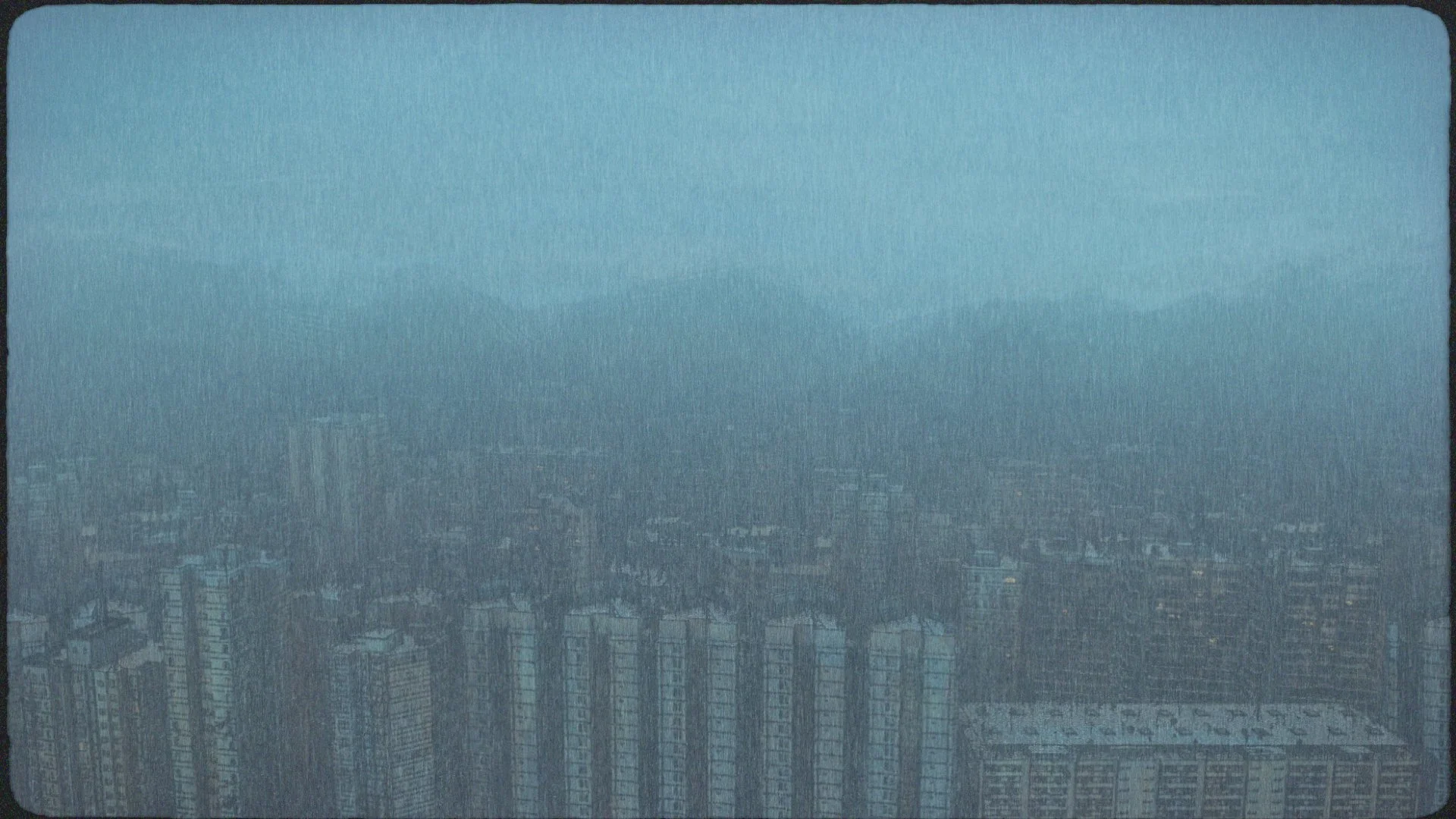
The cicada's death is symbolic of me losing my voice, and growing up feeling unable to project my voice outwards. It's something I still struggle heavily with today, and I think I recreated this memory to bring myself a sense of agency and a little bit of that child-like wonder that leaves no room to be self-conscious. There's a lot of internalized grief over losing my identity and self-worth through that voiceless-ness that is then carried for years after. In the film, the cicadas silently swarming the city is meant to personify that; they're soundless, not buzzing in the peak of the summer when they should be. It's a silent mourning, and a contrast to the events of the actual memory in which the swarming ants brought me excitement and new life.
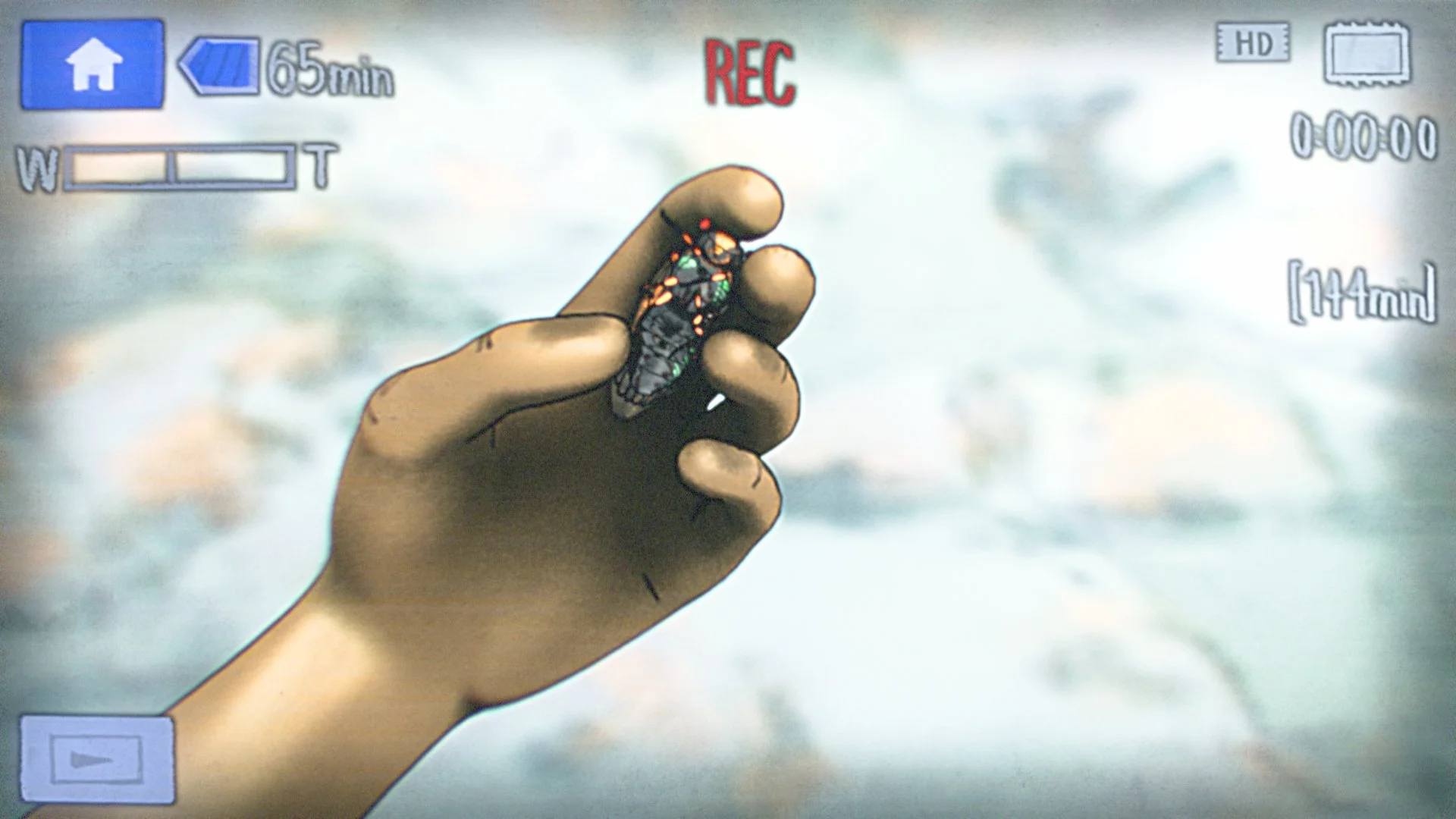
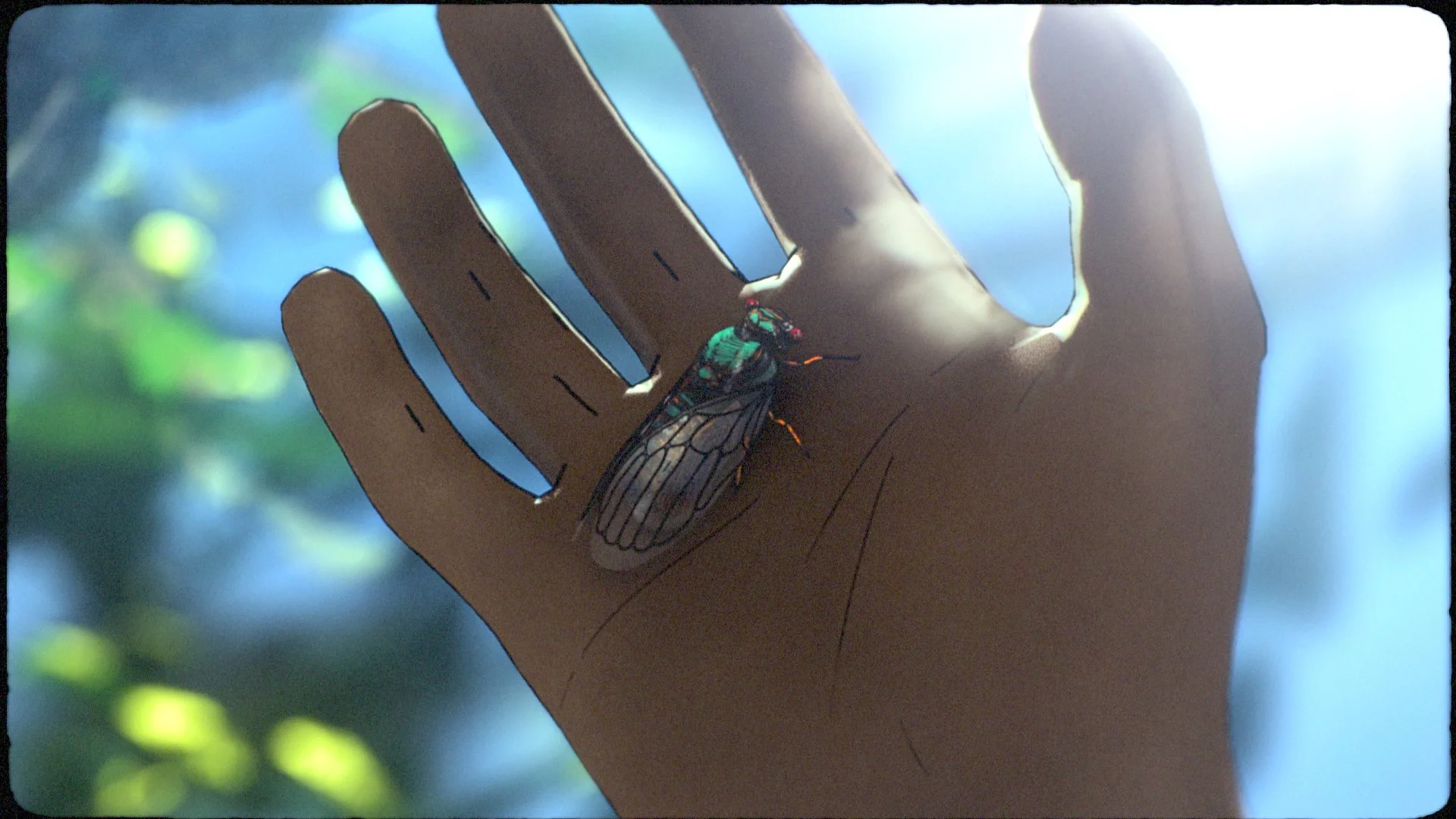
To bring the boy - and by extension myself - back to life from this metaphorical death, I used an origami cicada as an anchor for rooting the child back into play. I remember folding origami paper into all sorts of forms as a kid, and I thought it was a small and simple way to return to that feeling of playing. Origami itself is symbolic of rebirth and reshaping one form into something else. Paper holds memory. This playfulness continues at the climax of the film when the boy runs through the rain, something I'm sure we've all done as little kids. It's so simple but joyous when you do something spontaneous like that without the rigid structures of adulthood and growing up. In the background you hear the cicadas crying loud with the rain - both metaphorically and literally meant to be the cicadas' tears. They're finally allowed to cry again and to project their voices out loud in proper mourning.
All of this felt like the emotional release I needed to not just process the memory and its significance, but also to reassess my journey struggling with regaining my voice, and to open my heart up a bit more as a child might. The final piece that drove me to create CICADA CLOUDS is a reflection of this sentiment, in Matsuo Basho's poem "The Cry of the Cicada".
The cry of the cicada
Gives us no sign
That presently it will die.
“I recreated this memory to bring myself a sense of agency and a little bit of that child-like wonder that leaves no room to be self-conscious.”
You blend painting, VFX, and dream-logic so seamlessly. How did you build the film’s surreal aesthetic language, and were there any specific references that influenced your choices?
CICADA CLOUDS continues my exploration of ways to combine 2D and 3D techniques to create an aesthetic that resonates with traditional animation. I knew I wanted to express memory in a way that was cohesive to the intangability of it, but still feel like it had a form to hold onto. I felt watercolor as the perfect medium for this, and painted the colors over the 3D environment renders to give that ephemeral quality to a concrete structure.
A large part of the overall aesthetics was inspired by the Japanese animated films Look Back, written by Tatsuji Fujimoto, and The Case of Hana & Alice by Shunji Iwai. The visuals are rather simple but evoke the nostalgic quality I wanted to capture in my own film. This simplicity is present throughout my film's space, especially in the moments where reality and dream merge.
The sound design feels inseparable from the imagery, almost like we’re inside the boy’s consciousness. How did you collaborate with Tyrelle Massey and Yi Yang Zhou to shape this experience?
I felt the best way to direct the auditory experience was to capture the emotional weight of the moments. The close-up shots have a more intimate and heightened sense to relive the realistic impact of the memory, while the wider shots are much more atmospheric and static to reflect the vast feeling of disconnection and ambiguity of the memory's after-effects. Combining Tyrelle's Foley recordings with Yiyang's abstractions allowed for a gradually indistinguishable and seamless integration of reality with fiction.
Yiyang: "My approach was centered on achieving a sense of hyper-realism and intimacy. I focused heavily on contrast - blending very 'dry,' close-up vocal textures with the detailed Foley atmosphere that Tyrelle provided. By utilizing ASMR-like elements and close-miking techniques, my goal was to dissolve the distance between the character and the audience. I wanted the character’s internal voice to feel immediate and tactile, almost as if the sound were resonating from within the viewer’s own consciousness, blurring the line between the film's reality and the viewer's experience."
This idea of blending the different soundscapes together applies to the musical highlight towards the end of the film. Yiyang's composition starts with a few intimate piano keys that parallels the buildup of the rain, joined in by the live-recorded string quartet. Working with Stefano and Federico Tiero at DoubleSharp Production, we felt having the raw sounds of the strings melody would serve as an honest expression of the magical and natural qualities of the memory.
You handled nearly every facet of the animation yourself, from modeling to compositing to background art. What did this level of creative freedom allow you to express?
As tedious as it is, handling all the technical makings of the film allowed me to be more loose with how to create the visual aesthetics while keeping the process relatively simple. Incorporating more of the 2D process meant I wasn't tied down by the technical obstacles that can be overwhelming with 3D work, and that opened up the explorative process for what kind of look to create. This also gave more room to focus on the storytelling and the poetic depth of the film. Having the background be done almost completely in 2D allowed me to narrow in on the pivotal snapshots of the story, memory, and dream-like sequences, while allowing for a visually unique but controllable aesthetic.
How did you navigate that emotional space between a child’s naïveté and nature’s vastness without moralising the moment?
Since this is a semi-autobiographical film, I kept reflecting back on how I felt in the moment of the cicada incident. My main drive to retell this story as a visual poem was not just to remind myself of how to live again, but to also simply share the experience; to capture the initial shock and bluntness of the event, followed by an unidentifiable ambiguity, and culminating in a sense of awe and wonder at a larger force at work. I wanted these feelings to take shape as if they were living parts of the memory, and having the film's space eventually become less defined during the climax felt symbolic to my own processing of the memory itself.
I think focusing on the boy's inner journey and creating a physical space for his emotional uncertainty helped keep the film rather light-hearted, while retaining the lingering impact of the memory.
Your work often merges memory, dream, and unconscious symbolism. Did directing CICADA CLOUDS reveal anything to you, either artistically or personally about the stories you’re drawn to explore next?
Creating CICADA CLOUDS has grown my confidence in telling more tangible stories that feel a little more grounded. My previous animated short films have largely been fantastical and built through a more intuitive approach. With CICADA CLOUDS, I felt I could frame a better structure narratively around the poetic nature of the experience. I'd like to keep exploring ways to embed the surreal and the magical into ordinary 'realities', but also see how far I can make those moments feel inseparable and indistinguishable.
The film has really reflected my real life journey this year in those ways: I finally moved into a new studio apartment after 4 years in a cramped space, I took some steps to get out of my comfort zone a little, and slowly relearnt how to live again even in just the smallest moments.
A DEERMAN ART film
written & directed by DENNIS TAE WOOK KIM
voice acting by JUNE YOON & CLAIRE KIM
animation & VFX, background art, compositing, modeling, rigging by DENNIS TAE WOOK KIM
re-recording mix & sound design by TYRELLE MASSEY & TYRELLE SOUND, YI YANG ZHOU
music composition by YI YANG ZHOU
audio post-production by OVERLAP STUDIO INC.
music performance & recording by STEFANO & FEDERICO TIERO, DOUBLESHARP PRODUCTION
string quartet:
violin 1 - ALINA MARIA TASLOVAN
violin 2 - ISABELLA MASTROENI
viola - LEONY DELGADO
cello - GIULIA SANGUINETTI
special thanks:
ANDREA ADAMS
VOQUENT LTD.
senior account manager - JOHN BURKE
senior localisation project manager - SALLY ANDREWS
localisation project manager - KIRSTY POTTER