COMPOSÉ POUR LA VIE
A poetic study of artistic connection set against the quiet rhythms of Paris
Directed by Leon Eberwein
words by Isabella Bazoni
In Composé Pour La Vie, director Leon Eberwein moves through Paris with a quiet sensitivity, following three young artists unknowingly connected by music, movement, and moments of inspiration. Created as a tribute to Diptyque’s Orphéon fragrance, the film slips between fashion, portraiture, and visual poetry with an intimate, understated rhythm.
Eberwein, whose work often leans toward minimalism and emotionally driven imagery, approaches the city less through spectacle than atmosphere. Rather than relying on familiar romantic images of Paris, the film finds beauty in fleeting gestures and passing moments — jazz echoing through apartments, light falling across faces, fragments of solitude shared across different lives. The result feels soft, reflective, and deeply attuned to the emotional texture of creative life.
The film drifts between different artists and disciplines in a way that feels almost musical in itself. What was the starting point for Composé Pour La Vie, and how did the idea first begin to take shape?
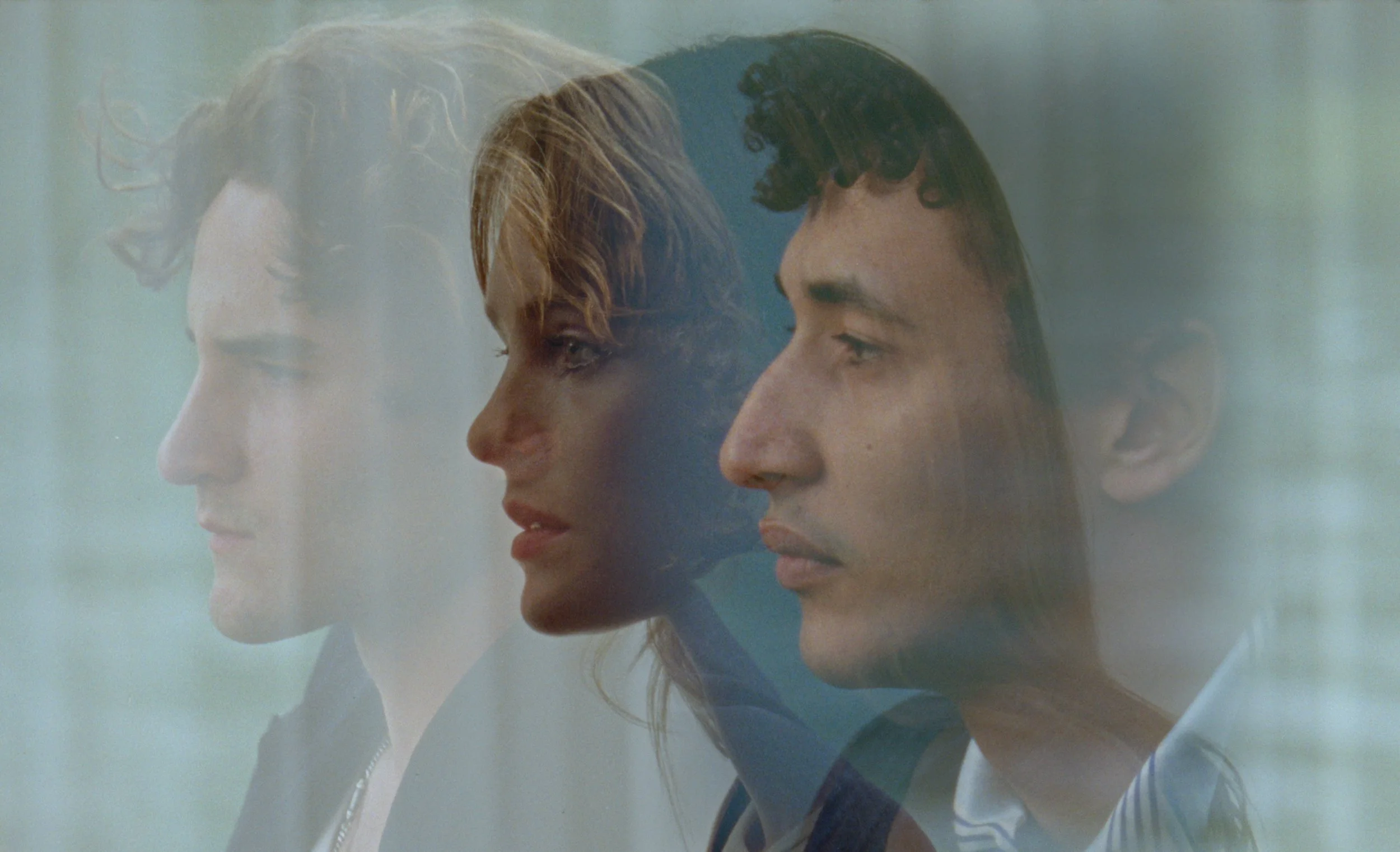
To be honest, the whole musical vibe actually evolved a bit later in the process. The absolute core idea we started with was the anatomy of a perfume. A fragrance is built on three layers: the top note, the heart note, and the base note. We combined this with the actual heritage of Diptyque, which was built by three founders. We loved the idea of reinterpreting that history. We took those three scent notes and personified them as three individuals. The main thought was that these people are deeply immersed in their own creative process, but they just cannot make the final magic happen in isolation. They absolutely depend on mutual exchange and feeding off each others energy.
We then tied this into the origin story of the fragrance Orpheon, which is a direct homage to the legendary former jazz club in Paris. That historical connection gave us the perfect angle. We chose three prominent instruments to represent our characters: the saxophone, the clarinet, and the piano. Conceptually, these instruments do exactly what the scent notes do. They start off completely singular and raw, representing the beginning of the journey. But when they finally blend and come together, it shows exactly what we wanted to express: the unique creativity of each individual ultimately merges to create something entirely new and incredibly special.
The city of Paris has been captured on film countless times, yet you managed to make it feel fresh and deeply personal. What interested you about portraying Paris through these quieter, fleeting everyday moments?
I have spent quite some time in Paris over the years and it honestly became one of my absolute favorite cities in the world. Whenever I am there, I really pay attention to the actual rhythm of everyday life. I realized pretty quickly that it is almost never the big, loud, or glamorous moments that trigger true creativity. Real inspiration usually sparks from the very small, subtle, everyday situations.
I wanted to show exactly that. Creativity happens when an actress is quietly rehearsing her lines, when you are just sitting in a regular cafe observing the world, or simply when you are taking a walk, moving through the streets, and actively absorbing the vibe of the city. I really wanted to capture that authentic, grounded feeling because, to me, those quiet moments are where the real magic and genuine art actually begin.
“We took those three scent notes and personified them as three individuals.”
There is a real sensitivity to the way the characters are observed on screen. How did you work with the cast to create performances that feel so instinctive and intimate?
I really believe that you cannot force intimacy on screen. You have to create an environment where it can naturally happen. And honestly, Paris just naturally lends itself to exactly that. The city inherently invites you to give people that kind of space to breathe and just be.
For this project, it was crucial that the actors felt completely comfortable and not overly directed. Since we were exploring the quiet and fragile moments of the creative process, I wanted them to actually experience that search for inspiration, rather than just acting it out. We kept the atmosphere on set very calm and allowed for a lot of room within the scenes. I often gave them a basic emotional direction and then we just kept the camera rolling. It was all about building mutual trust. When you give actors the freedom to just exist in a moment, especially in a place with such an organic vibe, they will always give you these raw, beautiful reactions that you could never plan or write in a script.
The boundaries between sound, image, movement, and memory feel very fluid throughout the piece. Were you approaching the film more emotionally than narratively while developing it?
Actually, despite how fluid and poetic the final piece feels, my approach was heavily narrative right from the start. I strongly believe that in order to earn those purely emotional or abstract moments, you first need a very solid narrative backbone. Because we were translating the concept of the three scent notes and the history of the three founders, we actually had a very clear story arc in mind. We knew exactly where these characters were starting, what their individual creative struggles were, and how they inevitably needed to cross paths and collide. Once that narrative structure was locked in, it gave us an immense amount of freedom. It allowed us to play with the visuals, the sound design, and the pacing in a much more intuitive and emotional way. So while the emotion is definitely what you feel on the surface, the core engine driving everything underneath was always the narrative.
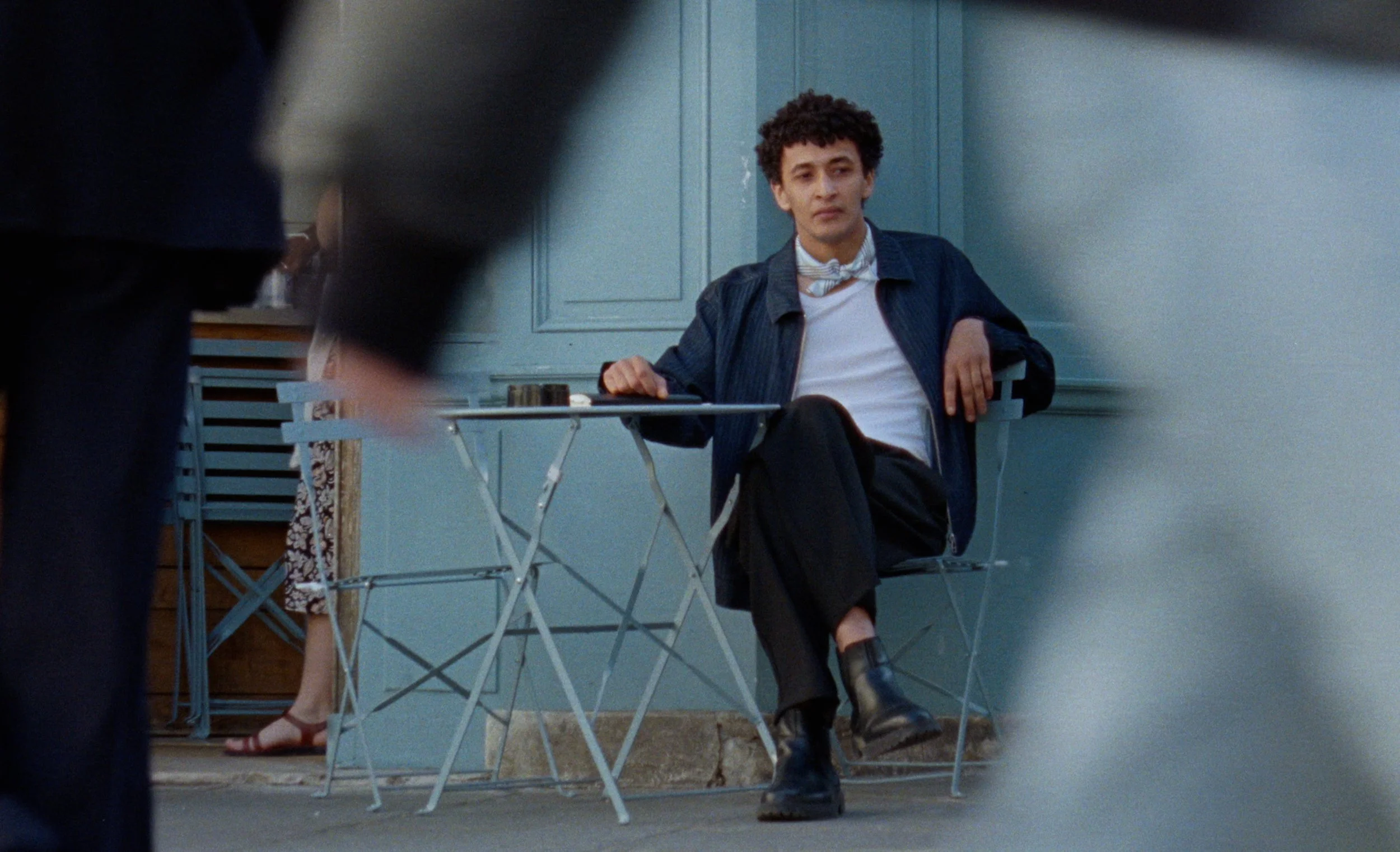
“When you give actors the freedom to just exist in a moment, especially in a place with such an organic vibe, they will always give you these raw, beautiful reactions that you could never plan or write in a script.”
A lot of the imagery is driven by texture and atmosphere. What were the key visual references or feelings you and cinematographer Jona Riese kept returning to during production?
Jona and I knew very early on that we wanted to shoot on 16mm Kodak film stock. We really wanted to visually pay homage to the rich history of this heritage brand. The film even features a subtitle explicitly showing the exact founding year, 1961. Shooting on real analog film was our way of translating that homage directly through the camera, giving the imagery the tactile texture of that specific era.
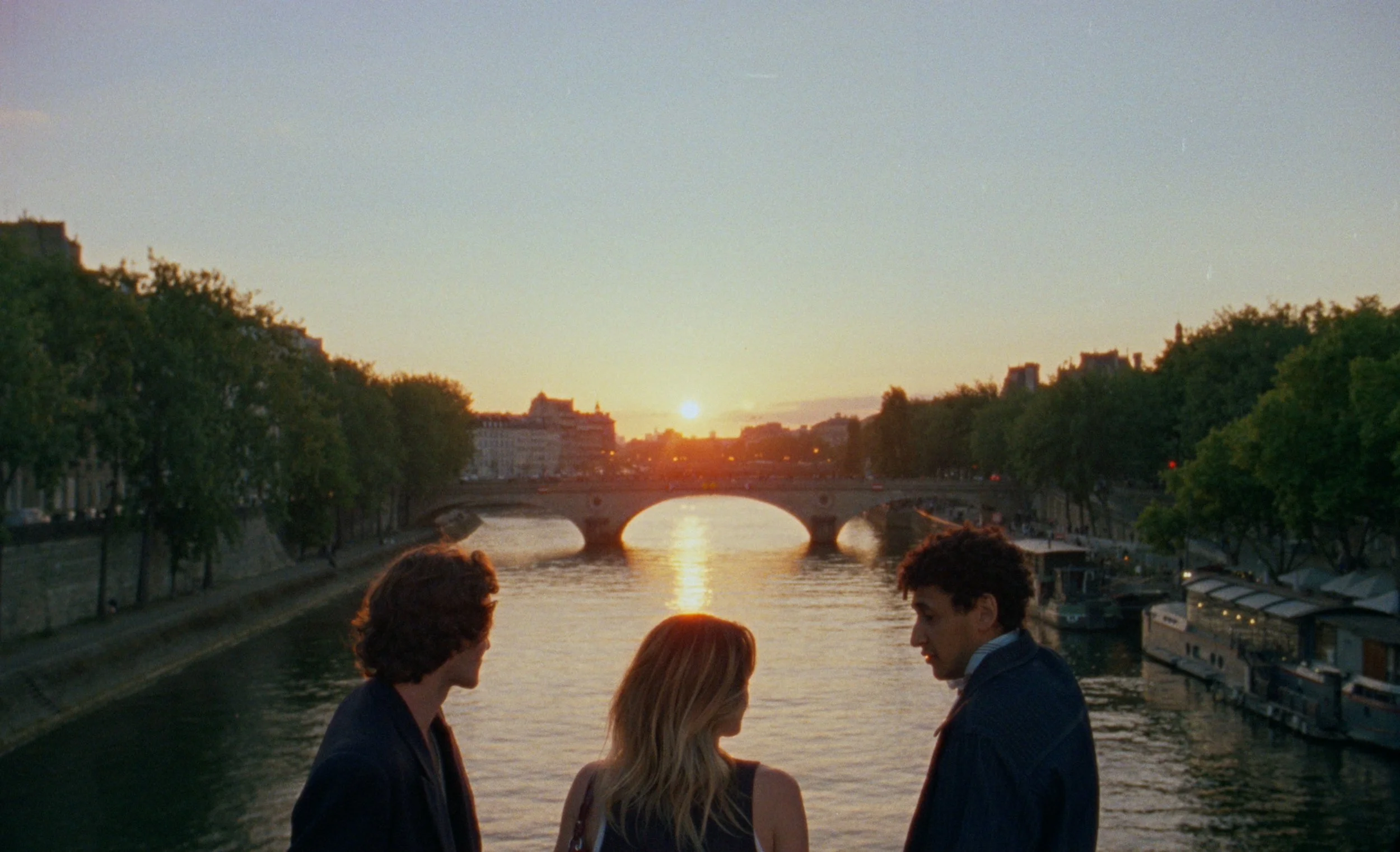
To really capture that nostalgic and warm vibe, we decided to shoot almost entirely around sunset. Paris has this undeniable magic during those hours, and its natural backdrops look incredibly beautiful in that fading light. But chasing the sunset while shooting on real film means your time is extremely limited. That is exactly why, even though the final film feels very organic and spontaneous, we actually meticulously planned every single shot beforehand. When you combine that tight schedule with analog film right as the sun goes down, you just have to be perfectly prepared. But honestly, that pressure also becomes a massive source of inspiration for everyone on set. In the end, the organic grain of the Kodak stock merged perfectly with the natural evening glow, capturing the feeling of a lingering memory and truly bringing the spirit of 1961 to life.
How did you develop the concept for this film from the initial brief into the final piece we see now, and what did that early creative process look like for you?
To be completely honest, the very first thing I did before even sketching out a single frame was diving extremely deep into research. When you are dealing with such a legendary heritage brand, you absolutely have to understand their DNA first. The initial brief gave us a rough direction, but the real creative breakthrough came when I started researching the specific story behind the fragrance Orpheon. I read everything I could possibly find about the three founders and their history. Learning that Orpheon was originally a real place in Paris where they used to meet, share ideas, and inspire each other completely changed my perspective on the entire project. It stopped being just about a fragrance and became a story about friendship, shared spaces, and creative synergy.
That deep dive into the research essentially gave us all the puzzle pieces. Learning about that legendary jazz club led us directly to the idea of capturing its musical spirit. But instead of just showing a traditional historic venue, we completely reinterpreted the jazz club. We took its soul and translated it into our own cinematic world. We channeled that exact raw energy through our three distinct instruments and the characters playing them. The early creative process was really just about connecting these beautiful historical facts with my own vision. Once we found that emotional core during our research, the rest of the concept evolved and unfolded incredibly naturally.
director — LEON EBERWEIN
director of photography — JONA RIESE
starring — FLEUR LECOMMANDOUX, JEAN MORVAN, NOAM AITBLAL
producer — LEA STARON
producer / assistant director — AMALIA STARRACH
producer — ROMINA RASSFELD
poem — LEON EBERWEIN
editor — LEONIDAS BEFELDT
1st assistant camera paris — YANNICK OBRY
2nd assistant camera / loader paris — WOODY WU
set photographer — ROMINA RASSFELD
gaffer — LUKAS LINDNER
styling — ANGELE CADIOU
styling assistant — LOUISE MENYE BIKELE
set design studio — EVA OBERMÜLLER
1st assistant camera — JONATHAN BENEKE
2nd assistant camera — MAXIMILIAN CAPPELER
composer — ADAM CLAUSSEN
sound design and mix — ETHAN HOUSER
voice — FLEUR LECOMMANDOUX
color grading — DIDRIK BRÅTHEN
vfx — FELICITAS SCHMELZ
production companies — EBERWEIN FILM AND 2RAW.
lab — STUDIO L'EQUIPE