CRASH
Movement and percussion collide to transform dance and film into a living canvas
Directed by Ben Bradish-Ellames
words by Isabella Bazoni
In a space where movement meets moving image, London-based photographerBen Bradish-Ellames brings a distinct, rhythmic sensibility to contemporary fashion film. Known for his work across portraiture and fashion, Bradish-Ellames blurs the line between stillness and motion—drawing on dance, percussion, and layered colour to create imagery that feels both visceral and dreamlike. Working across film and digital, and in close collaboration with dancers, movement directors, and gymnasts, his projects pulse with a choreographed energy that elevates the body into something sculptural and surreal.
Beyond his own practice, Bradish-Ellames is also the founder of E5 Process Darkrooms in Hackney, a community-driven space that has supported photographers and printers for over eight years, reflecting his ongoing commitment to both craft and creative community.
What were the key inspirations or visual references that shaped CRASH? Were there specific artists, films, or photographic works that influenced its direction?
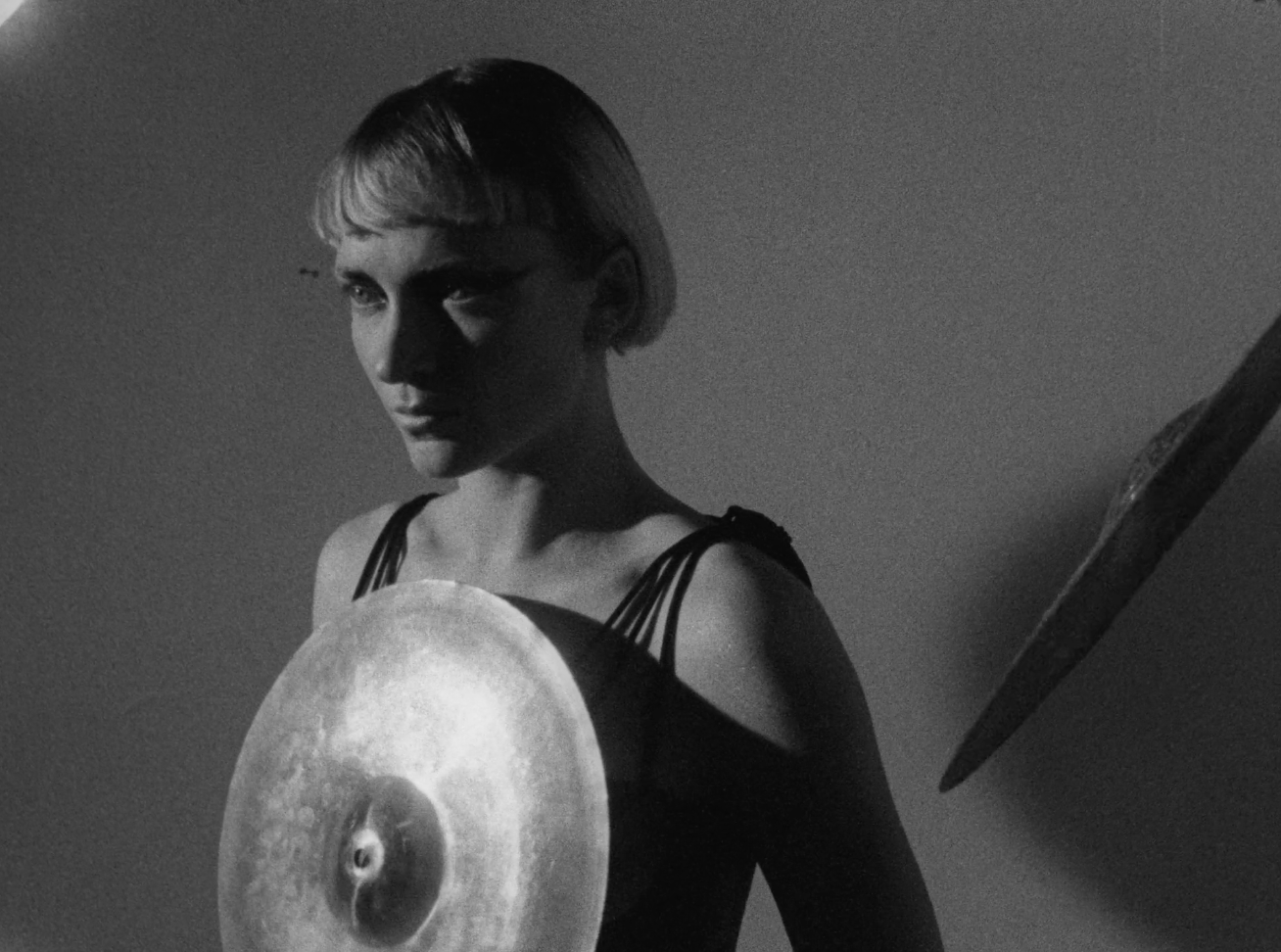
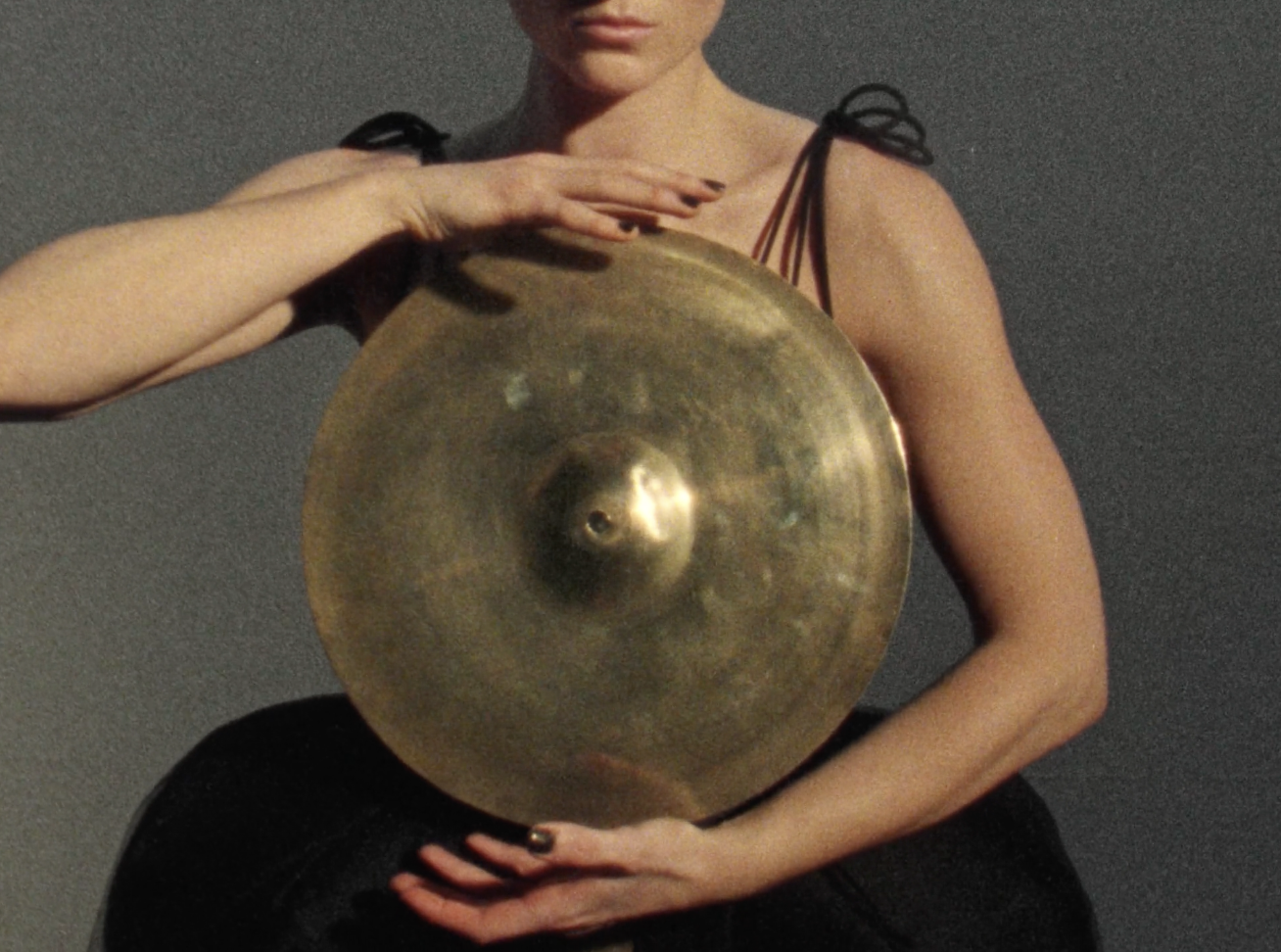
A really interesting question to start with.. the inspiration was a sum of so many parts. Firstly, the cymbal dress was something that caught my eye during a fashion week a few years back, and I always knew that I wanted to photograph it. Forward-wind a few years later, as I'm setting up my daughter’s cot mobile, I'm watching the shadows cast from the mobile move against the back wall of the room, as light from outside passed by it.
That was kind of the beginning of the idea of film, although I didn't know it at the time. Couple that with shooting more motion for my movement works, and that was the start fro CRASH.
How did you approach building the choreography?
Working with choreographers and movement directors is central to both my photographic and motion practices. Although I may know what ’shape’ of movement I am looking for, I need choreographers and movement directors to portray this shape to the subject, and from there be able to build a sequence of movement between two points.
My knowledge of actual dance and choreography is extremely limited, but I am always keeping a close look on space, shape and speed of movements. For example, a series of quick moments will always be juxtapositioned well against slower more methodic movements within a sequence.
“The inspiration was a sum of so many parts… that was kind of the beginning of the idea of the film, although I didn’t know it at the time.”
Did you begin with a clear concept, or did the piece evolve more organically through working with the dancers and performers?
I like to approach all shoots with a clear concept or idea of what needs to be shot. But what I really love its keeping that clear concept as open to interpretation as possible, so that the piece can always evolve organically during the shoot. I feel this always allows your subject to be fully involved and contributing to that concept as the shoot goes on. It also allows them to ‘perform’ to their best ability too. And, I usually feel by the end of the shoot, the fact that the concept has been able to evolve as the shoot goes on, the material you have created is significantly better than the original idea.
“All my films and photos are completely the sum of everyone who worked on those shoots and brought their interpretations in—I think that’s really special.”
Your creative background is rooted in photography. How does that influence the way you frame and construct movement on screen?
Yes, my background, and day to day work is photography, and although I don’t see how it influences my framing when filming, I'm sure that others can do! But, when photographing movement, I’ve always tried to make sure my photos exude energy, and beauty. When applying these same philosophies to filming movement, then the movement can really come alive.
Collaboration seems central to your practice, especially with dancers and movement directors. What do you look for in those creative relationships?
I’m always keen to work with new people! I don’t know if I am necessarily looking for anything specific, but more by working with new people and new teams you are constantly keeping ideas and concepts fresh, which is what I really like. The ability to put an idea out there, and then see others interpret it in their own way, is something I really enjoy. All my films and photos are a completely the sum of everyone who worked on those shoots and brought their interpretations in. I think thats really special.
But yes, always on the look out to work with new people…so if anyone is reading this, who wants to shoot with me, then please do get in touch!
You co-founded ASSEMBLY DARKROOMS recently, an affordable space for photographers and printers to come and print. Has building a creative community for like-minded artists shaped your own evolution?
The creation of Assembly Darkrooms has been an amazing thing, and watching the growth of a creative community has been really important too, not just for me, but also the others who are part of that community. It’s a great space to be able to go and meet other like minded individuals, compare and talk about practices. For example, my BTS photographer for CRASH was someone I met at the darkroom not long ago. It ties in nicely to the point above about collaborative working on set.
And for me, having that space and meeting others, only pushes me even further to want to create the best work I possibly can. The creation of such relationships between individuals and all having a common space to go a share is incredibly important, especially when you get to see such individuals really exceeding in their artistic practices.
directed by — BEN BRADISH-ELLAMES
performance — EVIE WEBZELL
movement director — ELETTRA GIUNTA
set design — HERMIONE FENTON
hair & make up — ELIZABETH HSIEH
styling — BENJAMIN JOSEPH
composer — ALEXANDER STANLEY
photography — GABRIELE MAS