HOW THE WORLD IS GOING TO END
A fragmented portrait of uncertainty, capturing collective anxieties about the future on 16mm
Directed by Vladislav Motorichev
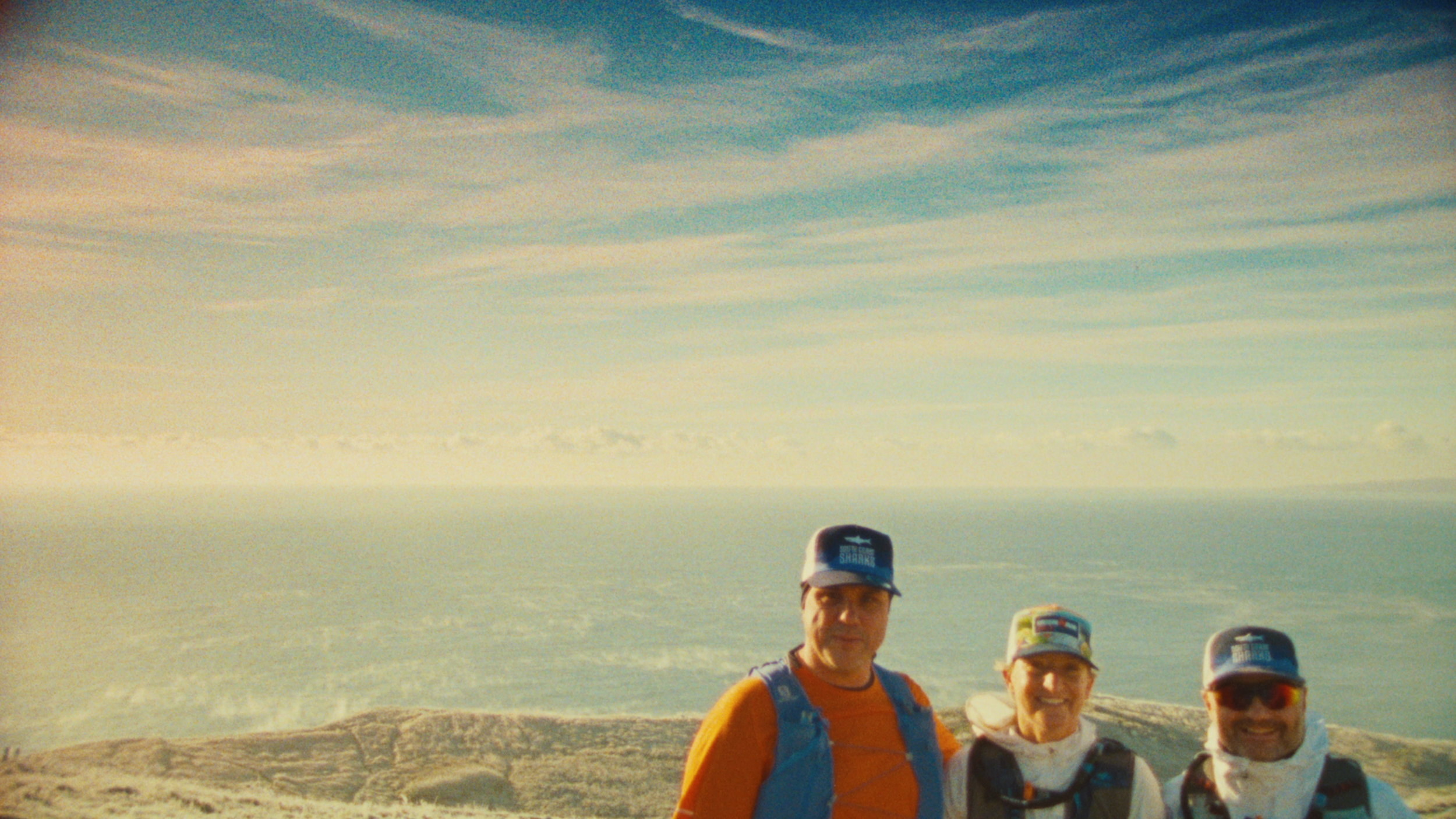
words by Isabella Bazoni
In How The World Is Going To End, director Vladislav Motorichev pieces together fleeting thoughts gathered across the UK, sketching out a disquieting picture of how we’re thinking about the future today. Shot on 16mm, the film drifts between people, places, and in-between moments; never forcing a point, just letting things sit. Voices overlap and diverge, circling ideas of collapse, change, and uncertainty, while the texture of the film itself keeps everything grounded, almost tangible.
Motorichev doesn’t push for answers. Instead, he stays with the questions. There’s a sensitivity in how he frames people—something that feels informed by his background in theatre—allowing each presence to hold its own weight on screen. The analogue image, with all its imperfections, mirrors the instability running through the film’s subject. What lingers isn’t a clear message, but a feeling: a low, constant hum of unease, shared but unresolved.
Your film feels very current, capturing intimate and fleeting perspectives on the end of the world—a fear that seems ever-present in our daily lives, whether through the news or social media. Was there anything in particular that initially inspired you to explore this theme through everyday voices?
In the beginning, I simply felt uncomfortable and unsafe, almost anywhere in the world, because of everything that had been happening over the past few years. Of course, events such as war, famine, and pandemic have always existed, but they often felt more distant, more hidden, or on a smaller scale. That constant sense of anxiety and instability is what pushed me to start engaging with this theme.
In many ways, the film became a kind of therapy session - not only for me, but for the whole team, the contributors, and hopefully the audience as well. The idea was that if we could all share our fears and anxieties around a common subject, it might make the weight of it slightly easier to carry. At least for me, it worked that way. Seeing the worries and sadness of others made me feel less alone in my own.
Shooting on 16mm film brings a distinct texture and fragility, as well as a tactile, melancholic quality to the images. How did this analogue choice shape the emotional tone and meaning of the project?
Exactly in the way you described it in the question. From the beginning, the idea was to work with something vulnerable, important, and complex - but above all, something fragile. Also, something deeply human.
It felt contradictory to me to shoot a film about fragility and humanity using a medium that is itself stable, endlessly reproducible, and controlled. That's why choosing 16mm film became essential. It allowed us to experience that fragility physically. These frames weren't captured as files with pixels that can be easily duplicated or restored - they exist on a reel, something you can touch, but also something you can lose, damage, burn, or expose. That material vulnerability directly shaped the film's emotional tone.
There was also a desire to stay within something analogue, as a way of getting closer to a more fundamental, natural state. In a way, it felt important to step away from the digital environment - something entirely constructed by us - and return to a medium that feels more connected to the physical world we are actually part of.
“The film became a kind of therapy session—not only for me, but for the whole team, the contributors, and hopefully the audience as well.”
The film blends documentary realism with a strong visual and almost theatrical sensibility. How does your background in theatre and performance influence your approach to filmmaking?
For me, in any art form - especially contemporary art - there should be a blending of genres and forms. That’s often what allows something new and genuinely interesting to emerge. Everything I do inevitably passes through the lens of my experience in theatre, which I see as one of the most powerful and compelling art forms.
At the same time, I have a personal principle: each project should have a kind of “trinity.” A unity that brings together visual language and aesthetic level, a layer of truthful meaning, and an attempt to introduce something new, whether in approach or concept. That’s the framework I was working within here. I also felt that the film needed a sense of poetry. For me, poetry is almost the highest level - it’s what holds these three elements together and allows them to coexist and exist as a single, cohesive whole.
There’s an intriguing sense of ambiguity throughout the film, never offering a clear answer. Do you see this uncertainty as something unsettling or comforting?
It’s simply a reflection of the world we live in, where a constant sense of uncertainty is part of everyday life. The idea was to bring that same uncertainty into the film - not as a mystery or a jigsaw to be solved, but as something more personal, almost like a maze with no clear exit.
At the same time, I do think that by the end, I tried to place a very precise and definite point, though it remains a subjective one.
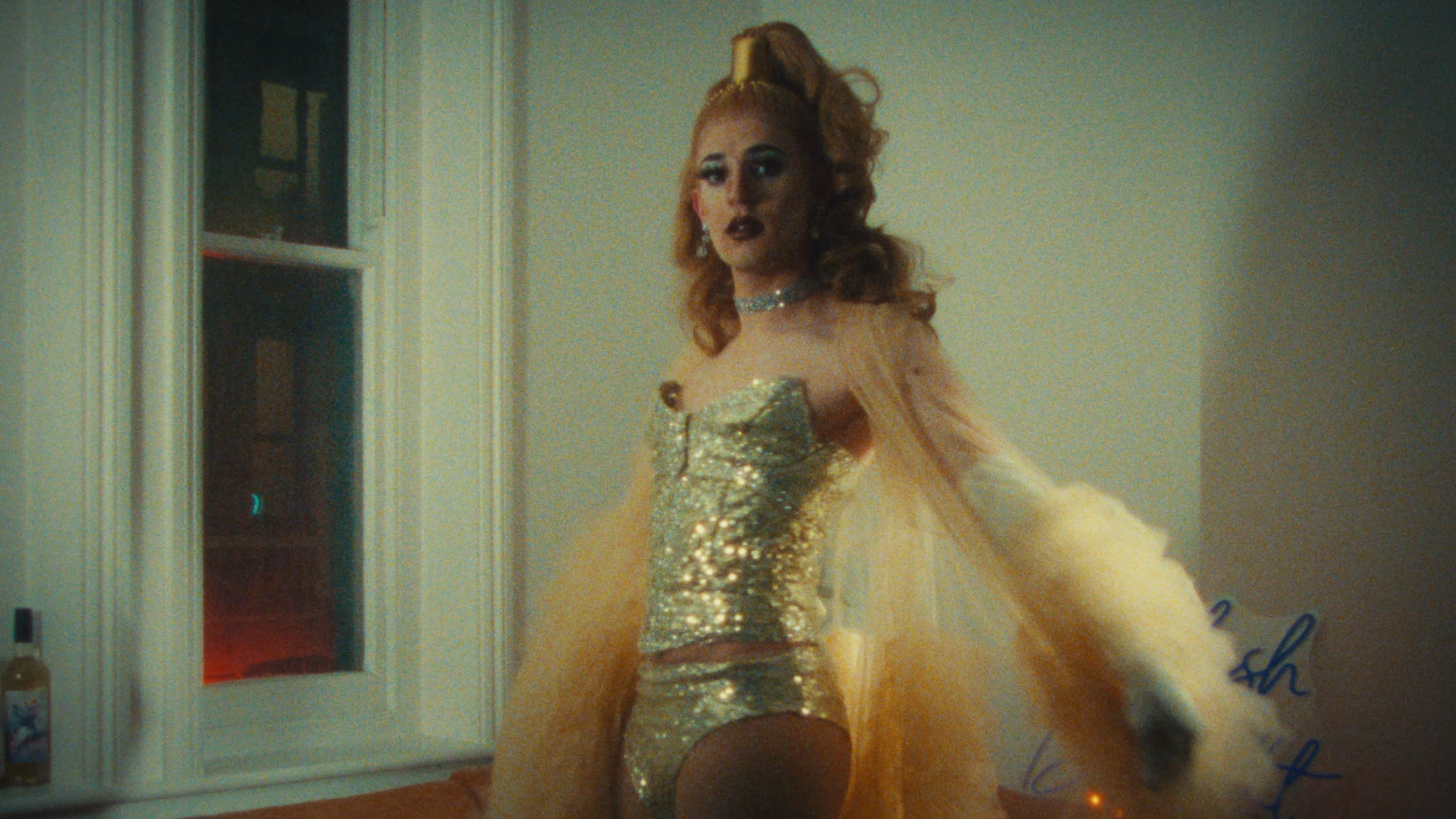
“It’s simply a reflection of the world we live in, where a constant sense of uncertainty is part of everyday life. The idea was to bring that same uncertainty into the film — not as a mystery or a jigsaw to be solved, but as something more personal, almost like a maze with no clear exit.”
Did any particular conversation or moment during filming shift your own perspective on the future?
I would say that I began working on this film with a very pessimistic perspective. I still tend to feel pessimistic about humanity's future, though not about the planet itself. I don't think the planet is in danger in the same way.
As I started developing the project and meeting people, I found that most of them were actually quite optimistic. However, their optimism didn't really change my own perception - at least not until I met a young boy on the coast in Dorset. We ended the film with a shot of him.
I was genuinely struck by what he said, especially at his age. It felt almost prophetic - too aware, in a way that I didn't expect. His words affected me deeply, and I was even moved to tears during filming that.
It's also important to mention that none of the interviews was pre-arranged - everyone in the film is a random stranger, someone we met by chance. And when, among these random encounters, you hear something so clear, kind, and hopeful from a child, it carries a particular weight. For me, that moment brought a sense of hope I didn't have before.
As a filmmaker working between cinema, performance, and visual art, where do you see this film sitting within your wider body of work and what does it represent for you at this stage in your career?
I believe this project allowed me to bring together documentary theatre and documentary cinema, and to do so at a visually strong level. That was the initial intention - to merge these two languages. In theatre, there is a form and genre known as Verbatim, which is built on interviews with ordinary people on a specific theme.
I wanted to take that concept and translate it into film - keeping it in a short format, but approaching it with a beautiful and meaningful visual language. So for me, this work sits at the intersection of performance and cinema, and represents an attempt to carry a theatrical documentary method into a cinematic space without losing its authenticity, while still achieving something visually precise and considered. Hope, it was successful!
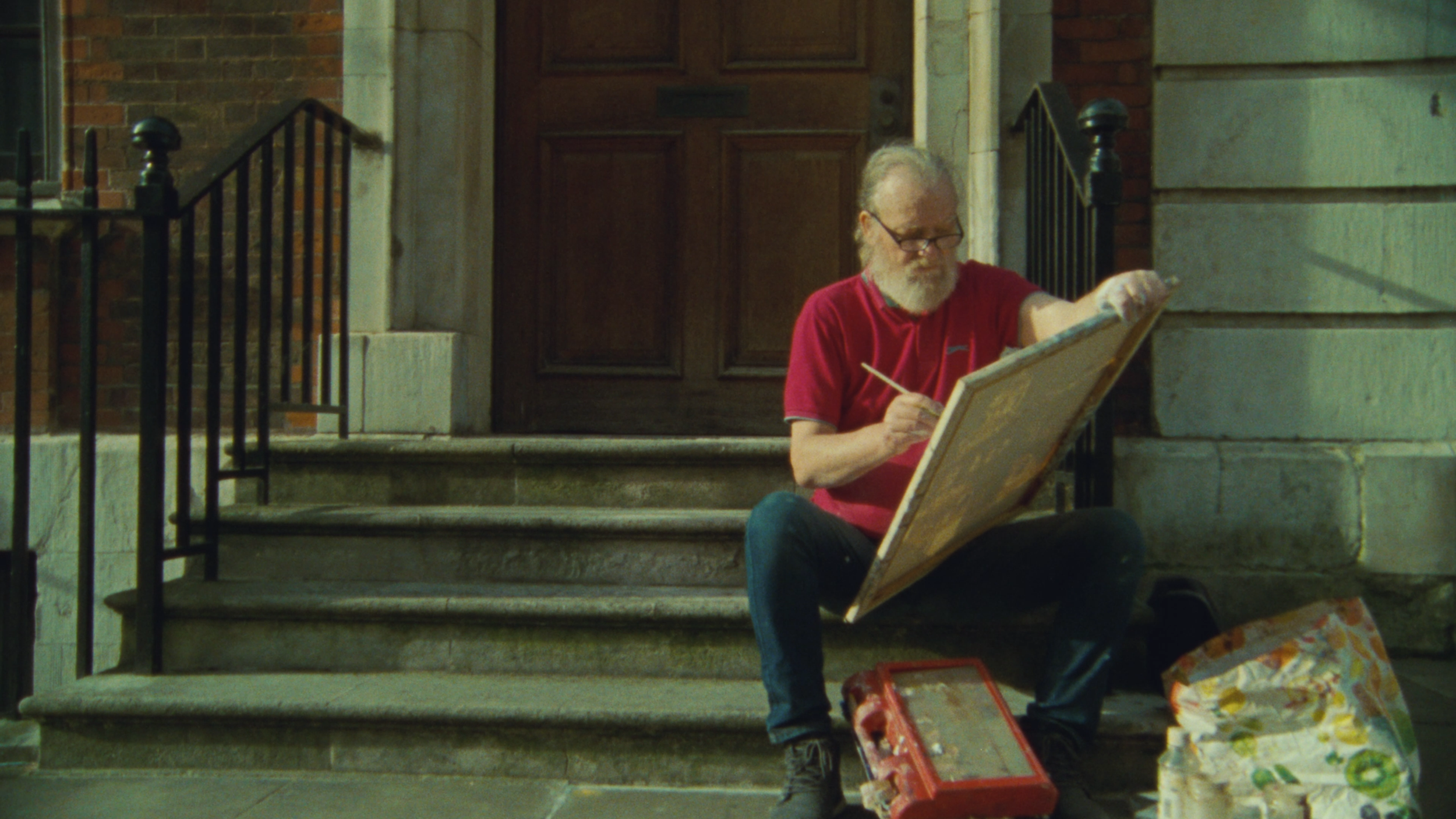
director & cinematographer — VLADISLAV MOTORICHEV
producer — SIDAL ERGÜDER
creative producer — ARYNA DABRALIUBAVA
1st ad — POLINA DUDNIK
editor — AMERIGO BRINI
colourist — MAX GOLOMIDOV
sound designer — DMITRY NATALEVICH
film loader & 1st ac — LOUIS PEPPIATT, CALLUM LINDSAY
gaffer & grip — OMAR DANIAL BIUIIUKTOSUN
credits design & poster — JOE BOYD
extra locations — DOMINIC SIDAWAY
production assistant — JAMIE STURT