INNER WORLDS: THELMA GOLDEN
On space, stewardship, and shaping a cultural institution from the inside
Directed by Rodney Passé
words by Katie Huelin and Isabella Bazoni
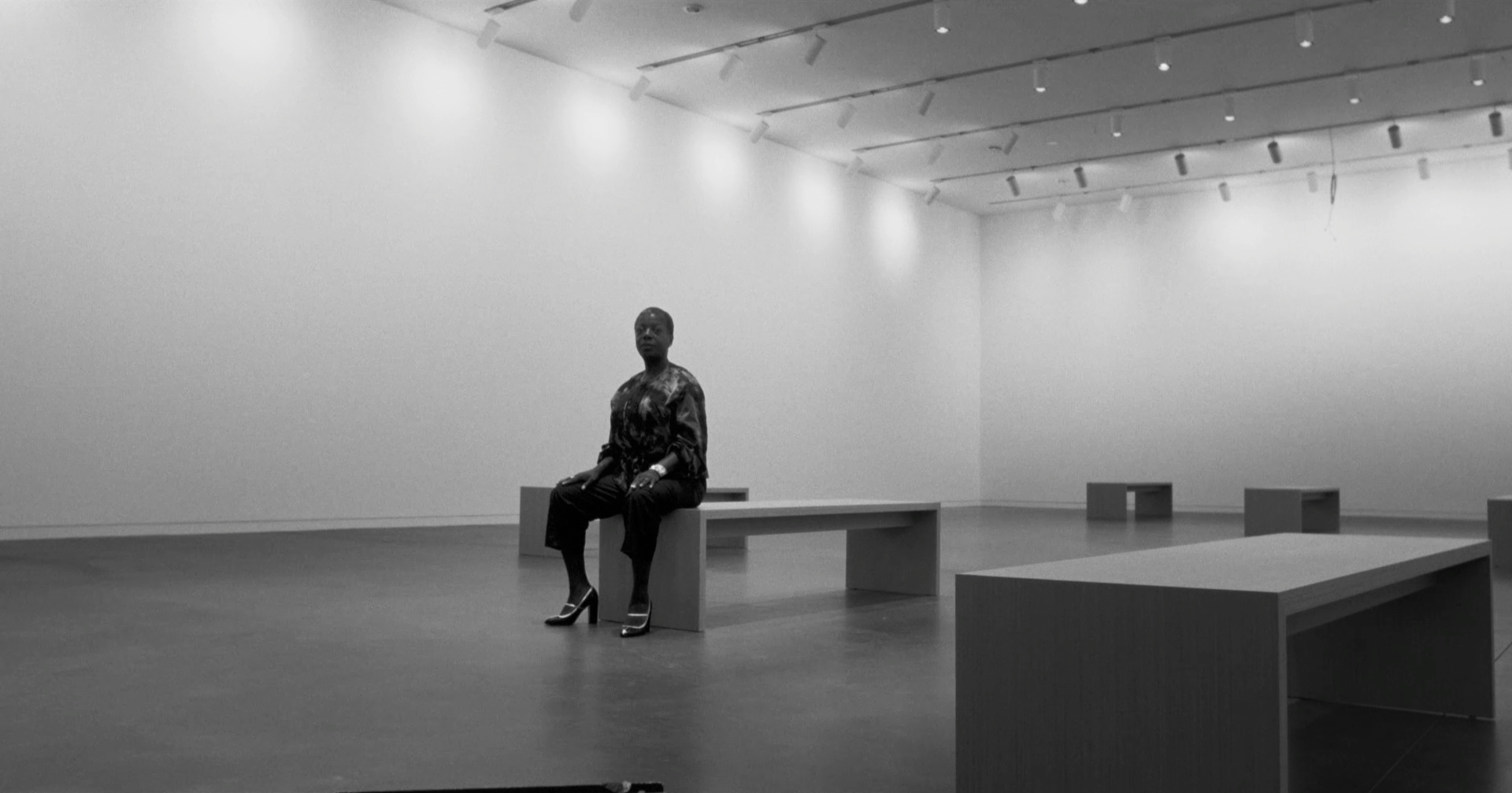
For decades, American curator Thelma Golden has redefined what a museum can be. As director and chief curator of the Studio Museum in Harlem, she has expanded the possibilities for artists of African descent, reshaping how Black culture is represented in contemporary art. In this episode of Inner Worlds, Golden invites Art Basel inside the Museum’s newly reopened, purpose-built home—a space that fulfils the ambition imagined by its founders in 1968. Rooted in Harlem both geographically and spiritually, the building carries forward the Museum’s ethos of accessibility, community, and artist-centred practice while offering expanded capacity for exhibitions, programs, and creative engagement.
Director Rodney Passé approaches the film like a jazz session—non-linear, rhythmic, and punctuated by archival fragments—capturing the institution as it enters a new chapter through the vision and leadership of Golden. Speaking on film with interviewer Darnell Moore, she reflects on the journey from closure to reopening, honouring the architecture, the generations of staff, artists, and audiences who shaped this moment, and the living, breathing community at the core of the Studio Museum.
This episode of Inner Worlds enters the Studio Museum in Harlem at a pivotal moment: a reopening that is both architectural and symbolic. What guided your approach to capturing an institution in transition?
My approach was guided by listening—to the building, to Harlem, and to the legacy the Studio Museum carries. I wanted the architecture to do more than signal a reopening; I wanted it to hold memory and possibility at the same time. Harlem has always been a place of movement, resilience, and reinvention, and the new space reflects that rhythm. By leaning into light, scale, and quiet moments of transition, I tried to capture not just what the museum is becoming, but what it has always been: a living institution rooted in community, history, and forward motion. The film isn’t about arrival, it’s about becoming.
Thelma Golden has shaped contemporary art and its narratives for decades. How did you approach filming someone whose influence is both deeply personal and culturally expansive?
Thelma is a giant, so my responsibility wasn’t to define her influence, but to make space for it. I approached the film with restraint, creating an atmosphere where she could speak fully, thoughtfully, and on her own terms. Her impact is both deeply personal and culturally expansive, and I wanted the camera to feel like a listener rather than a translator. By prioritizing stillness, presence, and trust, the film allows her vision and intention to unfold naturally—the way her work has always done—quietly shaping the culture while standing firmly within it.
“The film isn’t about arrival, it’s about becoming.”
The museum’s new building is rooted in Harlem’s history while imagining its future. How did you translate that duality — legacy and possibility — into the visual language of the film?
That duality was already embedded in the building itself. I’m a big admirer of David Adjaye’s work because it understands history as something you carry forward, not something you freeze in time. Having my studio in Harlem made the process even more instinctive; I didn’t impose a visual language so much as receive one. I let the people, the streets, and the energy of the neighborhood guide what I pointed the camera toward. It felt less like documentation and more like tuning into a frequency, very much in the spirit of Shabazz Palaces, “It’s a feeling!” The film lives in that space between what has been and what’s still unfolding.
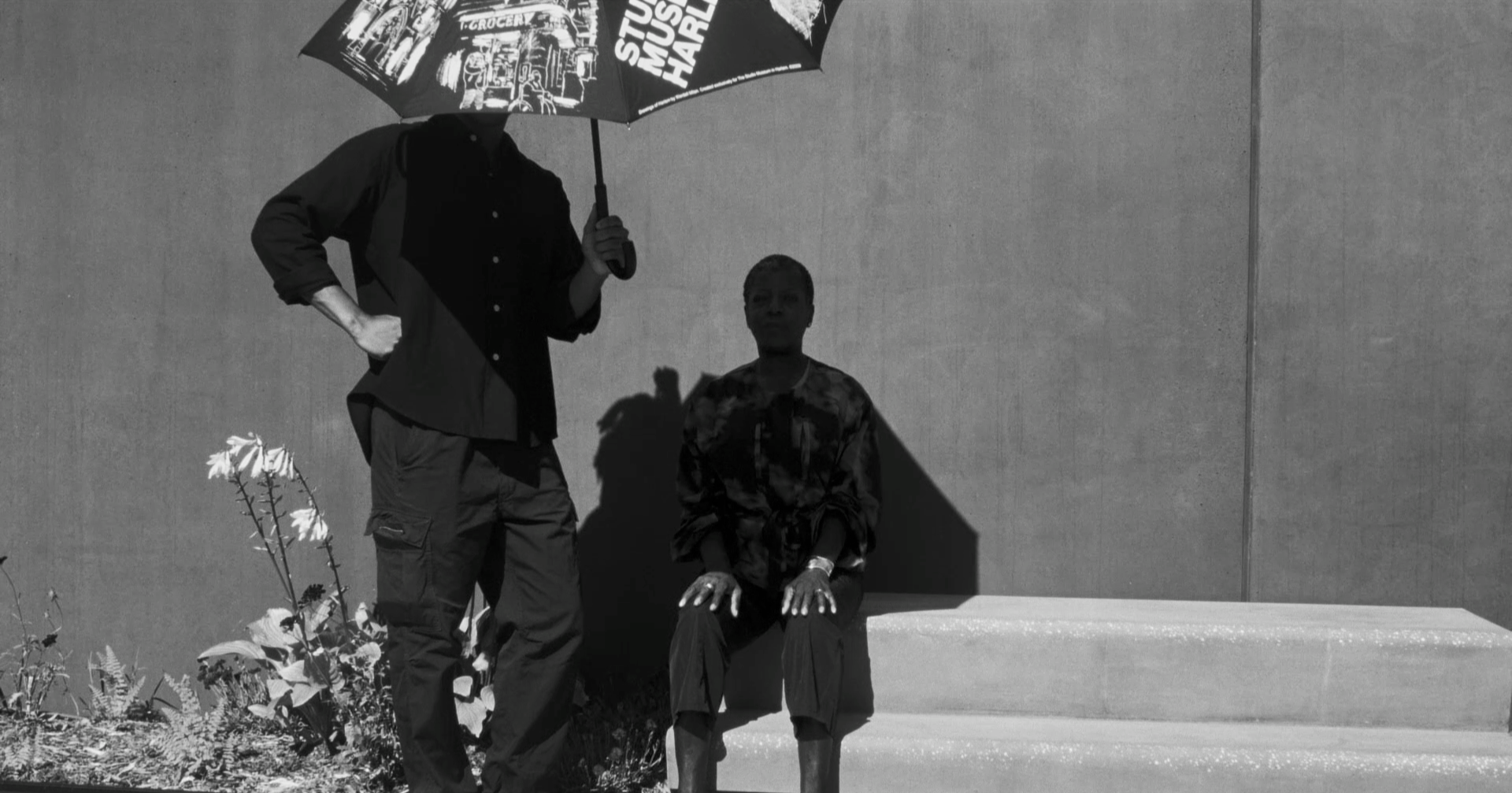
“I walked away inspired, deeply. Being inside Thelma Golden’s world, and inside the new home of the Studio Museum in Harlem, was a reminder of what clarity of vision looks like in practice.”
Inner Worlds is about the spaces that shape creative lives. What conversations emerged around the idea of a museum not just as a building, but as a living, breathing ecosystem of artists, audiences, and community?
Those conversations centered on the idea that the museum isn’t static, it’s alive. It’s shaped as much by the people who pass through it as the walls that hold it up. Nowness and Art Basel really gave me the creative freedom to lean into that truth. Outside of a few pointed directions, they trusted me to move intuitively and work from instinct. The film treats the museum less like a monument and more like an ecosystem, constantly breathing, evolving, and shaped by the people who give it life.
After spending time inside Thelma’s world and the museum’s new home, what did you walk away with, both creatively and personally?
I walked away inspired, deeply. Being inside Thelma Golden’s world, and inside the new home of the Studio Museum in Harlem, was a reminder of what clarity of vision looks like in practice. To see someone so precise, so unwavering, yet so open, is a powerful template for how to build something you want badly and sustain it with intention. Creatively, it sharpened my focus. Personally, it reaffirmed my belief. And as for Harlem, it will always be home to Black America. No matter the pressures of gentrification or the narratives trying to rewrite that truth, the spirit is rooted, living, and undeniable.
production company - EMERALD PICTURES
director - RODNEY PASSÉ
executive producers - MARA MILIĆEVIĆ & JOHN DUFFIN
producer - JOSHUA ROBINSON
cinematographer - MATTHEW HAYES
1st ad - KEZJAHREE WINGATE
sound - GREG VARDHAMI
hair & makeup - WHITTANY ROBINSON
interviewer - DARNELL MOORE
photographer - FAITH COUCH
post producer - NYK ALLEN
editor - SECK
color - RARE MEDIUM
colorist - MICKEY ROSSITER, PEREGRINE STUDIO, EMERALD PICTURES
creative director - BUNNY KINNEY (NOWNESS)
managing director - GAVIN HUMPHRIES (NOWNESS)
commissioning director - KATIE MELCEFÉ (NOWNESS)
producer - NOOR MIAH (NOWNESS)
junior video editor - DANIEL TSAO (NOWNESS)
executive editor - COLINE MILLIARD (ART BASEL)
senior editor - ALICIA REUTER (ART BASEL)
video commissioner - JEANNE-SALOMÉ ROCHAT (ART BASEL)
creative producer - AKIEL GALLINA (ART BASEL)