IT’S OKAY I GOT THIS
A failed stunt spirals into chaos in this sharp satire of filmmaking’s fragile power dynamics
Directed by Jonathan Salmon
words by Isabella Bazoni
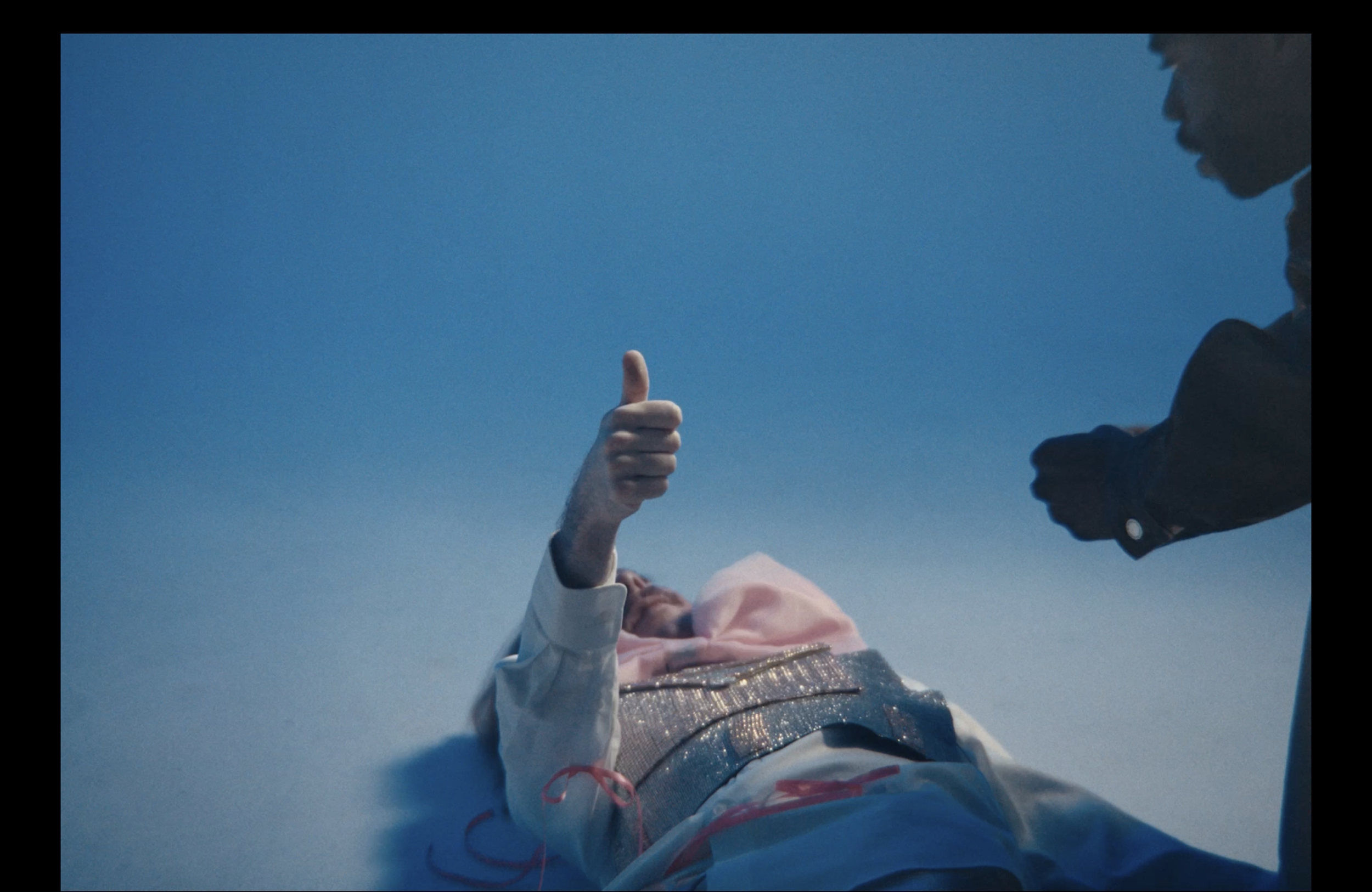
In his latest short, director Jonathan Salmon turns a single botched stunt into a darkly comic examination of ego, responsibility and the fragile machinery of film production. The story begins with something deceptively minor (a failed backflip) but quickly escalates into a chain reaction of blame, panic and reputational damage as a director struggles to keep his shoot alive while a hesitant client threatens to pull the plug.
Known for blending humor with realism, Salmon brings his own experiences navigating early industry gigs into the film, crafting a tragicomic portrait of a system where ambition, insecurity and hierarchy often collide in unexpected ways.
The entire film hinges on one failed backflip. Why did you choose something so small (and so avoidable) as the catalyst?
I’m a big fan of stories where people massively overreact to something small or avoidable. The backflip felt like the perfect catalyst because it’s such a minor moment that spirals into something much bigger. In filmmaking, sometimes the smallest mistake can suddenly become the most important thing in the room.
A lot of the inspiration came from my early experiences working on music videos and unpaid projects where I was essentially doing someone a favor but still being asked to do the absolute most. Shows like The Chair Company and The Rehearsal do a great job exploring how intensely motivated people can become in pursuit of something that’s ultimately pretty trivial. In this case, everyone becomes incredibly serious about something as mid as a backflip.
Do you see the director as a villain, or just someone behaving exactly as the system has trained him to?
Honestly, both. His motivation to “do a good job” and protect his position pushes him into decisions that put others at risk. It’s that tunnel vision where the goal becomes more important than the people involved. I think a lot of directors wrestle with that question: Would I do what I’m asking someone else to do? Or how would I ask them to do it? The character exists somewhere between the fine line of ambition and insecurity, which is a space I think a lot of people in the industry recognize, especially myself.
“In filmmaking, sometimes the smallest mistake can suddenly become the most important thing in the room.”
If this film is a tragic parody of the current state of the industry, what’s the part that hits closest to home for you?
The disposability of people in the industry. It’s very easy for systems like film production to treat individuals as problems rather than part of a collaborative ecosystem. Pressure from the top can trickle down quickly, and people often comply because saying no can mean losing the job or even the possibility of future work. The irony is that filmmaking only works when everyone trusts each other, but the industry structure sometimes makes that trust difficult.
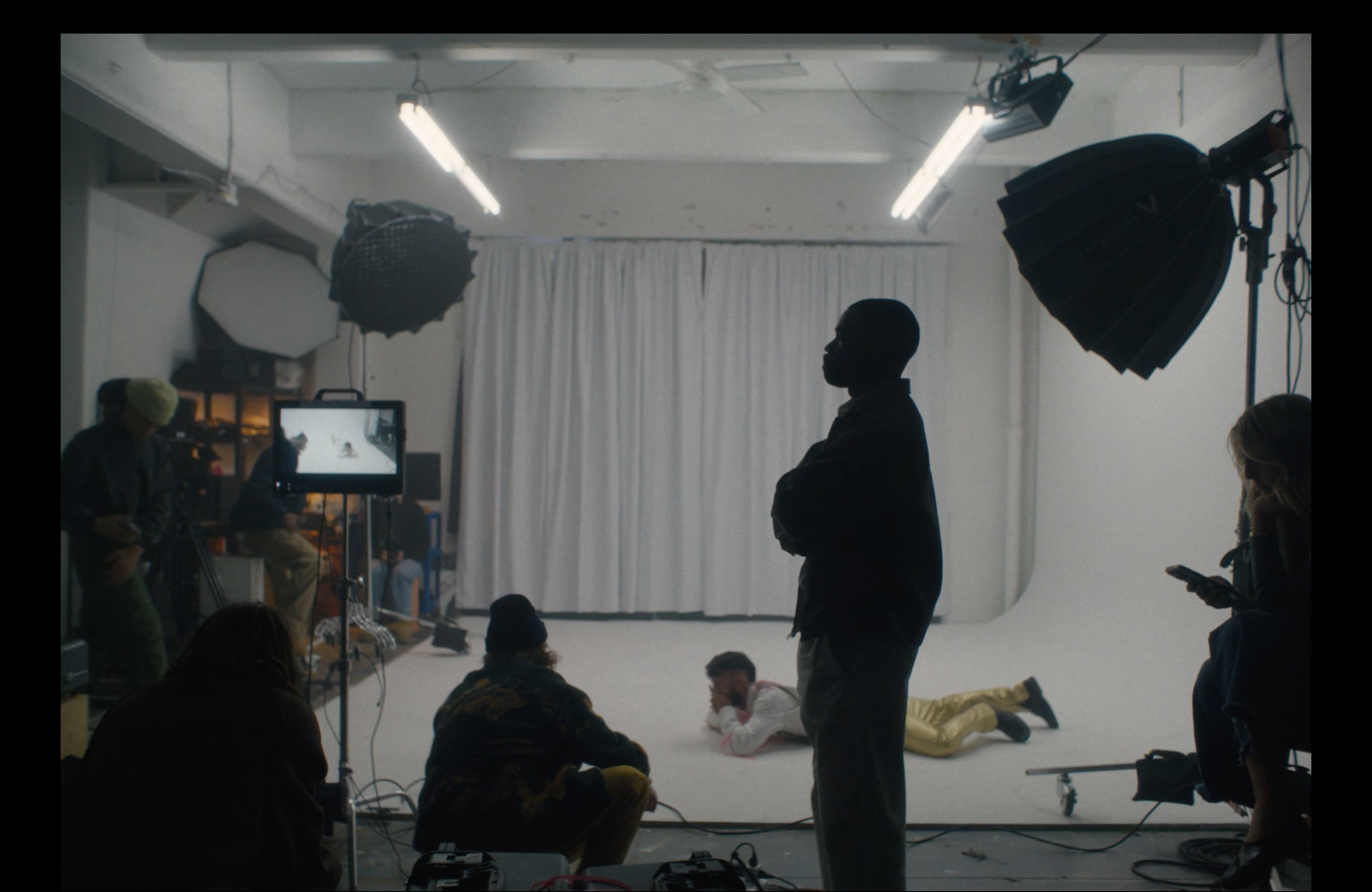
“It’s very easy for systems like film production to treat individuals as problems rather than part of a collaborative ecosystem.”
Is the story drawn from something you experienced yourself, or is it stitched together from the collective horror stories of colleagues?
A lot of it comes from my own experiences when I first moved to Los Angeles before the pandemic. I didn’t know anyone in the industry and this was before Instagram became a networking tool, so I was finding gigs on Craigslist and putting myself into some pretty awkward situations just trying to make something happen. There was even one shoot where talent had to get into a pool and one of them couldn’t swim. Luckily the client was reasonable that time, but moments like that stick with you. When you’re starting out, you often feel like you have to say yes to everything. And if you don't, then the opportunity will never come again.
In moments like this, the real crisis isn’t the injury but reputation and liability. Were you more interested in exposing personal ego, or the wider machinery of the industry?
The wider machinery of the industry was definitely the bigger focus. Personal egos and relationships are often shaped by the environment people are operating in. I like dropping the audience into a situation like this and letting them decide where they stand. Everyone in the film believes they’re doing the right thing, which is what makes the situation spiral. The fun of the story is watching how quickly responsibility starts moving around the room when something goes wrong.
cast — DAVID BROWN
cast — GARRICK BERNARD
cast — BRETT KARABINOS
director — JONATHAN SALMON
writer — JONATHAN SALMON
producer — JUSTIN TREVIÑO
executive producer — JUSTIN TREVIÑO
executive producer — AUSTIN BARBERA
executive producer — JAKE KRASK
cinematography — MATTHEW POTHIER
editor — NICK O’NEILL
editor — JONATHAN SALMON
wardrobe — ALAYNA LICARDI
hair & makeup — NADIA REESE
production design — ANNIE BECKER
color — ZACHARY HETLAGE
sound design — SANTIAGO FAUCHIER
music — SANGO
cover art — CHIBU
production company — TREVIÑO PRODUCTIONS