FASHIONCLASH founder Branko Popovic on why fashion film is still asking what it can be
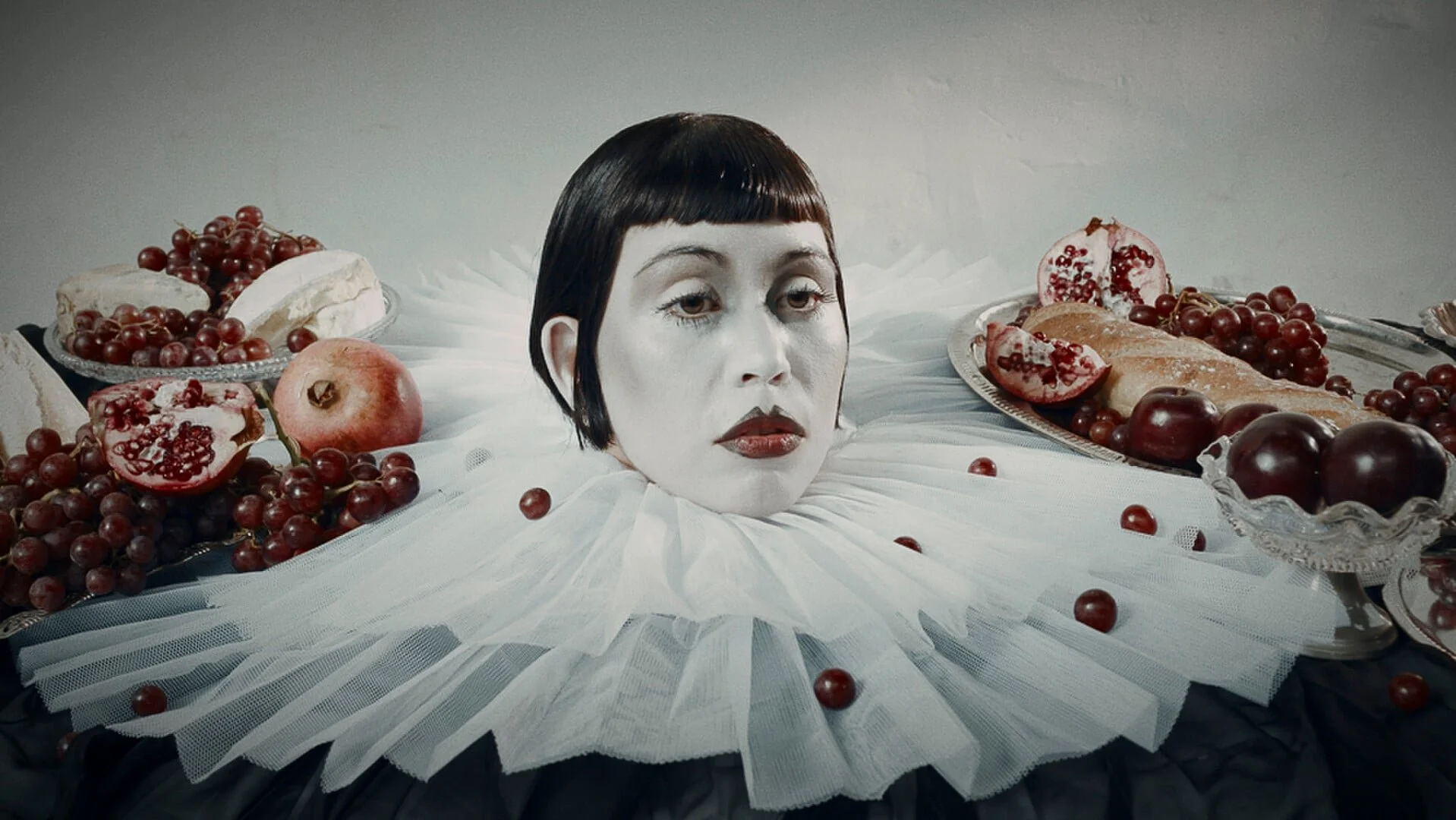
From 13 to 15 November 2026, FASHIONCLASH Festival returns to Maastricht for its 18th edition. Once again, fashion film sits at the heart of its programme. 44 short films from around the world will explore the medium in all its forms, from documentaries to digital and experimental work, travelling from Mongolia to South Africa and from Italy to surreal virtual spaces.
For Branko Popovic, co-founder of FASHIONCLASH, fashion film remains a discipline still defining itself, and that is precisely its appeal. Over eighteen editions, he has helped build the festival into a platform for emerging makers working across fashion, film, performance and visual art, with a focus on experimentation. Ahead of the opening, we spoke to him about the evolution of the festival, what makes a fashion film feel genuinely innovative, and why the question “what is a fashion film?” is one he hopes audiences keep asking.
Fashionclash has always positioned itself as more than a fashion festival, bringing together designers, filmmakers, performers and artists from across disciplines. Looking back over the past eighteen editions, how has your understanding of what fashion can be evolved?
We approach fashion as something that is never finished and never fully defined. As long as there is hope for a better world, we have to keep working on making fashion a better industry and a better cultural practice. From the start, we have looked at fashion as a global phenomenon, beyond the dominance of the Global North. The world is big, and there are so many fashions and ways of making that there is always more to learn and explore.
Over eighteen editions, we have learned how much there still is to discover, and how much work remains to make fashion more just, fair, clean and safe. That is what keeps us motivated. This year’s programme reflects that wide view: New Fashion Narratives at Bureau Europa presents shapeshifting practices that resist fixed labels, the Fashion Film Program brings together films from Mongolia to South Africa, and Fashion Makes Sense at Centre Céramique shows fashion as something people make and think about together.
This year’s festival places a strong emphasis on collaboration and process, from the Fashion Film Project to CLASH House and New Fashion Narratives. Why has creating spaces for experimentation become such an important part of Fashionclash’s identity?
Experimentation has always been important to us. It is what the “clash” in FASHIONCLASH stands for, and part of our original starting point. We still see a lack of space for experimentation in fashion, and in the arts in general. We try to go beyond disciplines and give a new generation of designers the space, facilities and trust to explore, because that is how you build a sustainable and outspoken vision for your practice.
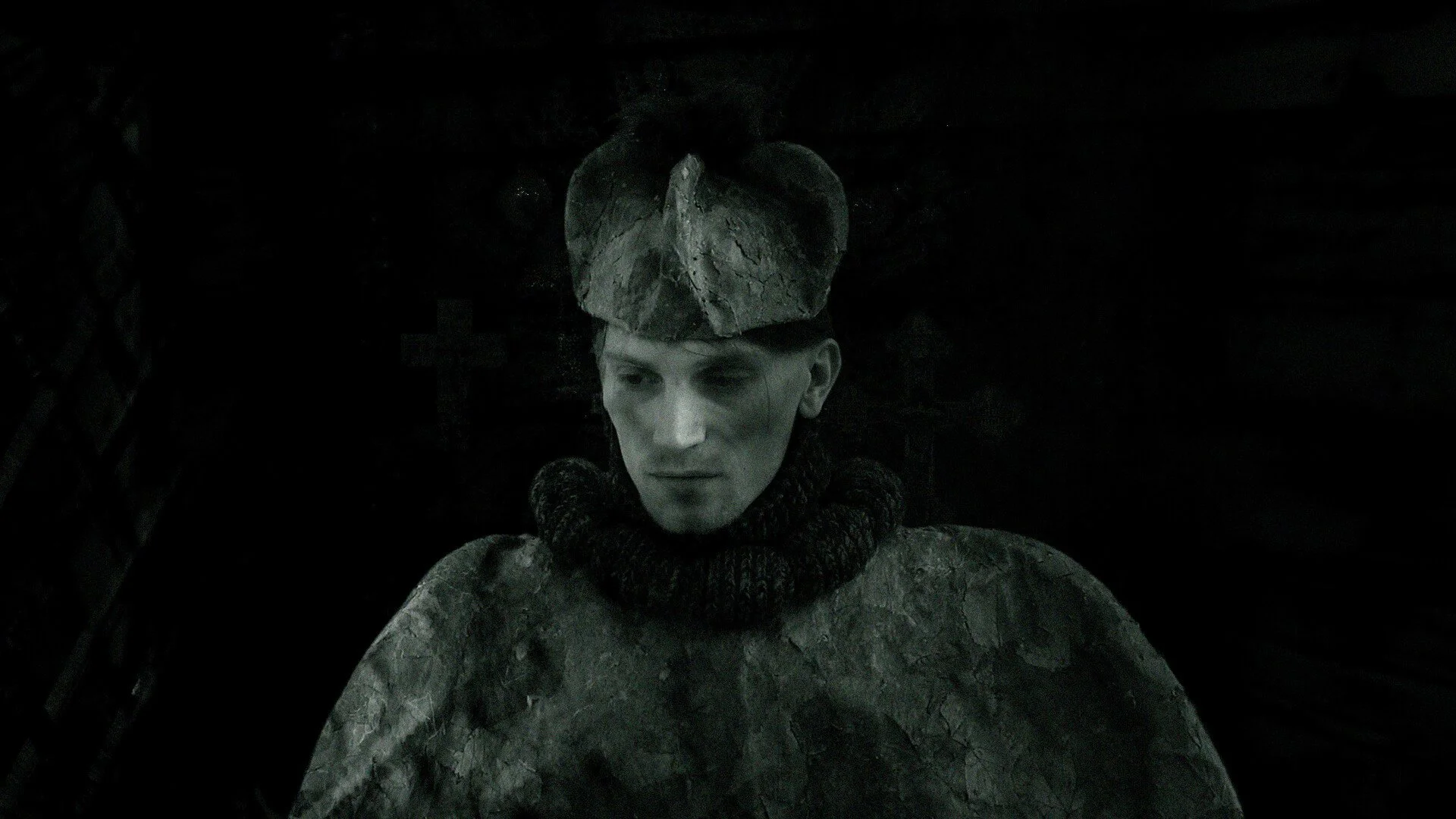
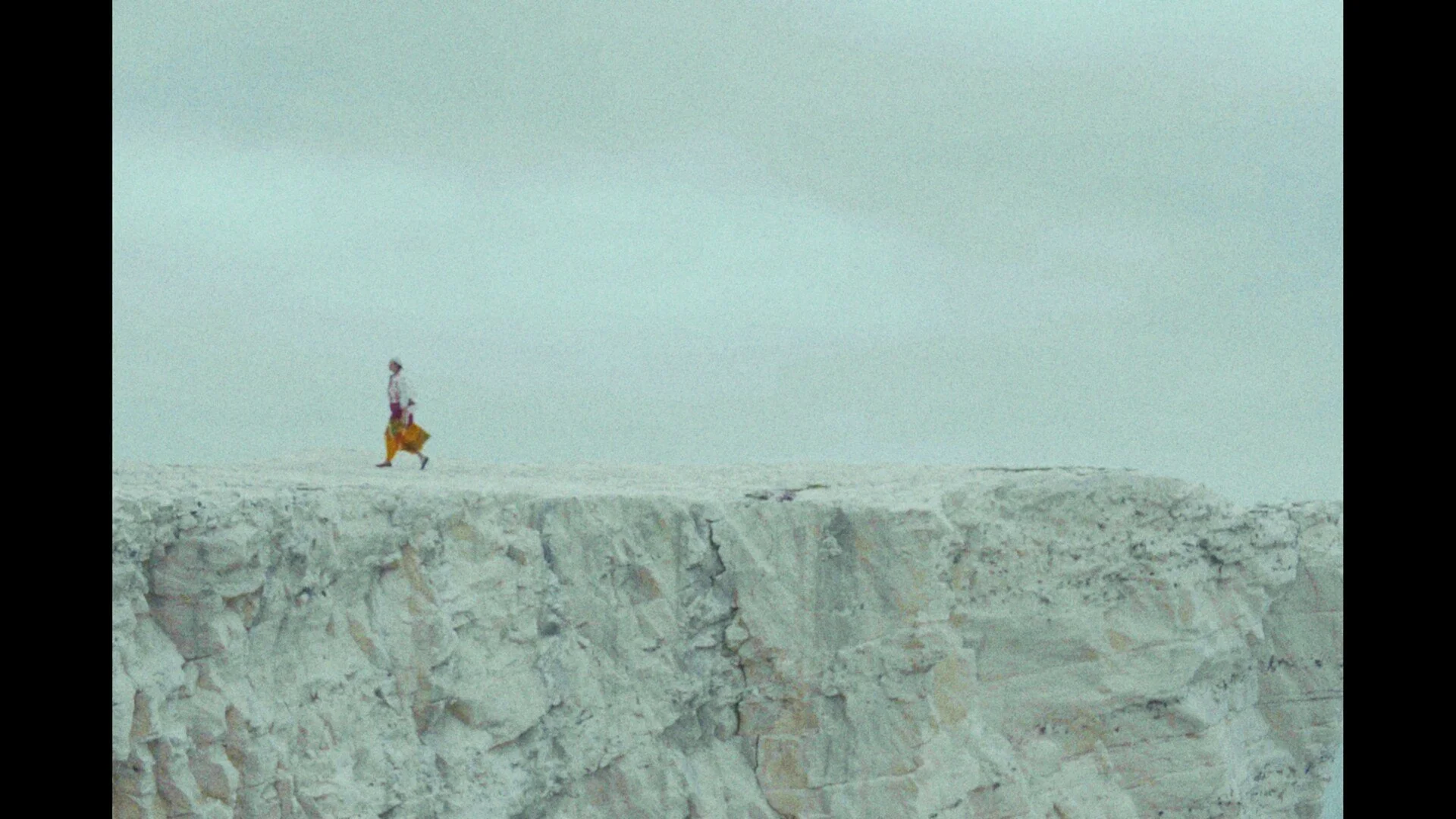
You can see this throughout this year’s programme. In The CLASH House, ten designers developed performances through coaching and making sessions, translating the story of their collection into a live presentation instead of a standard runway show. New Fashion Narratives grew out of a residency week in April, where four curators developed the concept together before inviting makers to take part. CLASHLAB brings a fashion designer, a choreographer and a musician together as equals, without defining the outcome in advance. And the two films premiering during the festival, TRAMPANTOJO and THE INVINCIBLE, come out of our Fashion Film development trajectory. In each case, the process matters as much as the result, and the festival is where that process becomes visible.
“We approach fashion as something that is never finished and never fully defined”
With fashion film being such a significant part of the festival, what excites you about the medium today, and what qualities do you look for in a film that feels genuinely innovative?
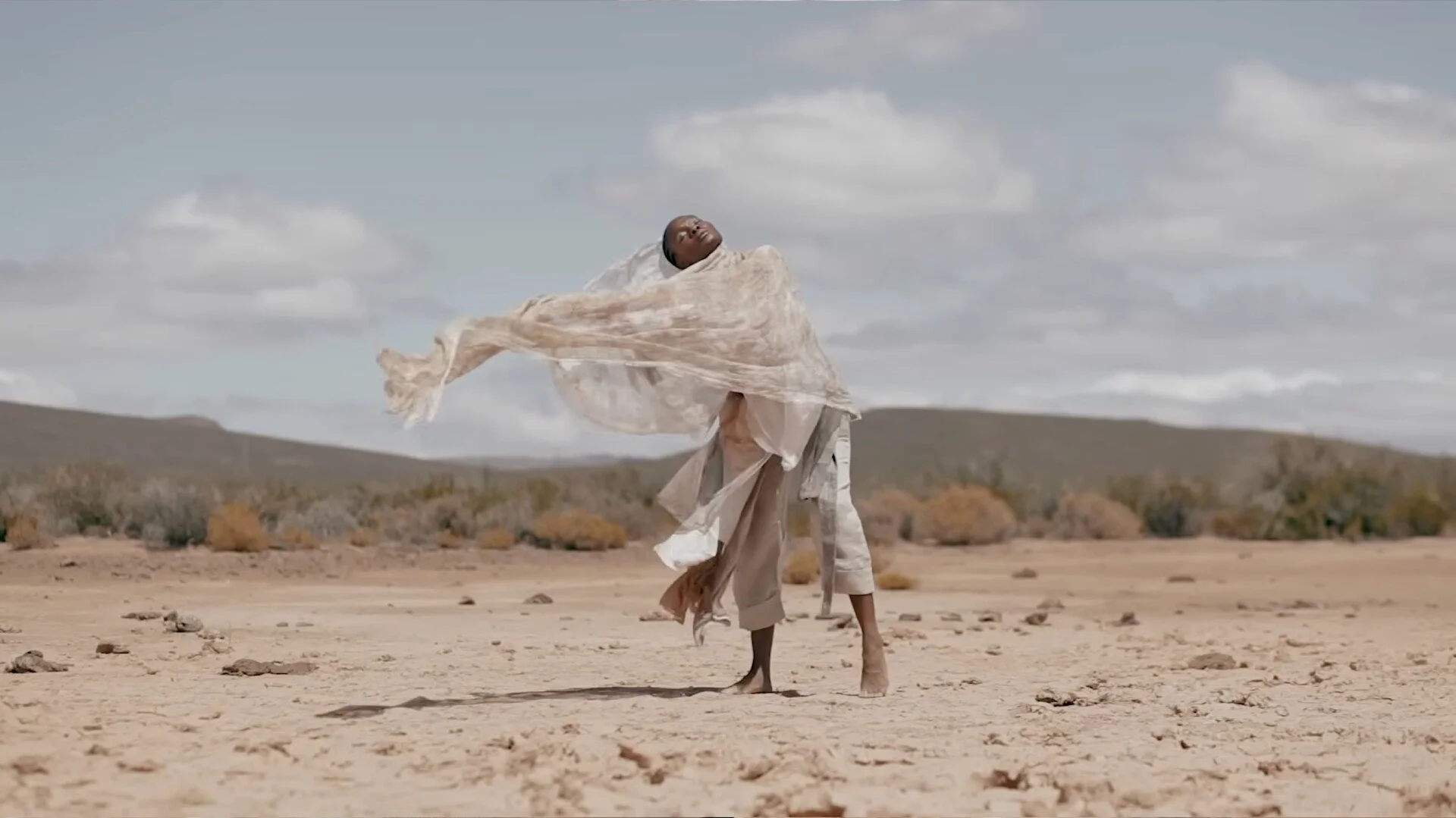
What I love about fashion film is that it is still a relatively new genre, a discipline in development. Each time, the audience still asks: what is a fashion film? And I love that. It is the perfect medium to experiment and explore, and through that, to expand the meaning of fashion.
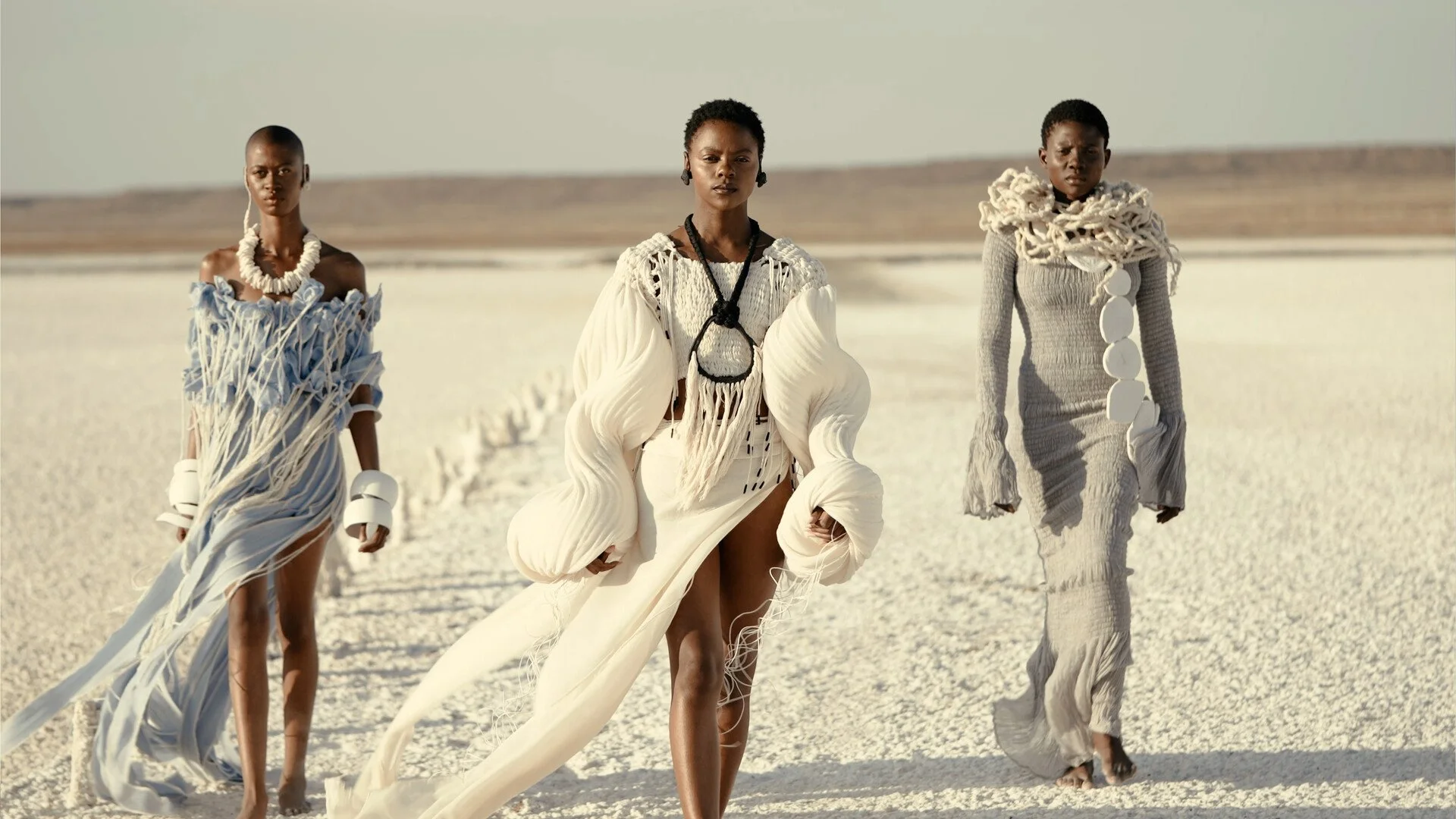
At FASHIONCLASH we focus on the new generation of artists and filmmakers. Sometimes a film is not perfect, but we want to support young makers who are exploring the medium. In our selection we also look beyond the traditional meaning of fashion, often leaving it open whether something is a fashion film at all. We get excited by experimentation and by hybrid projects, where digital and physical blend, or where fashion and dance co-create. That is why we also look for collaborations beyond the fashion world. For example, we work with Cinedans, an amazing festival in Amsterdam, and together we will curate a fashion-and-dance programme in 2027, with films in which both disciplines are equally explored.
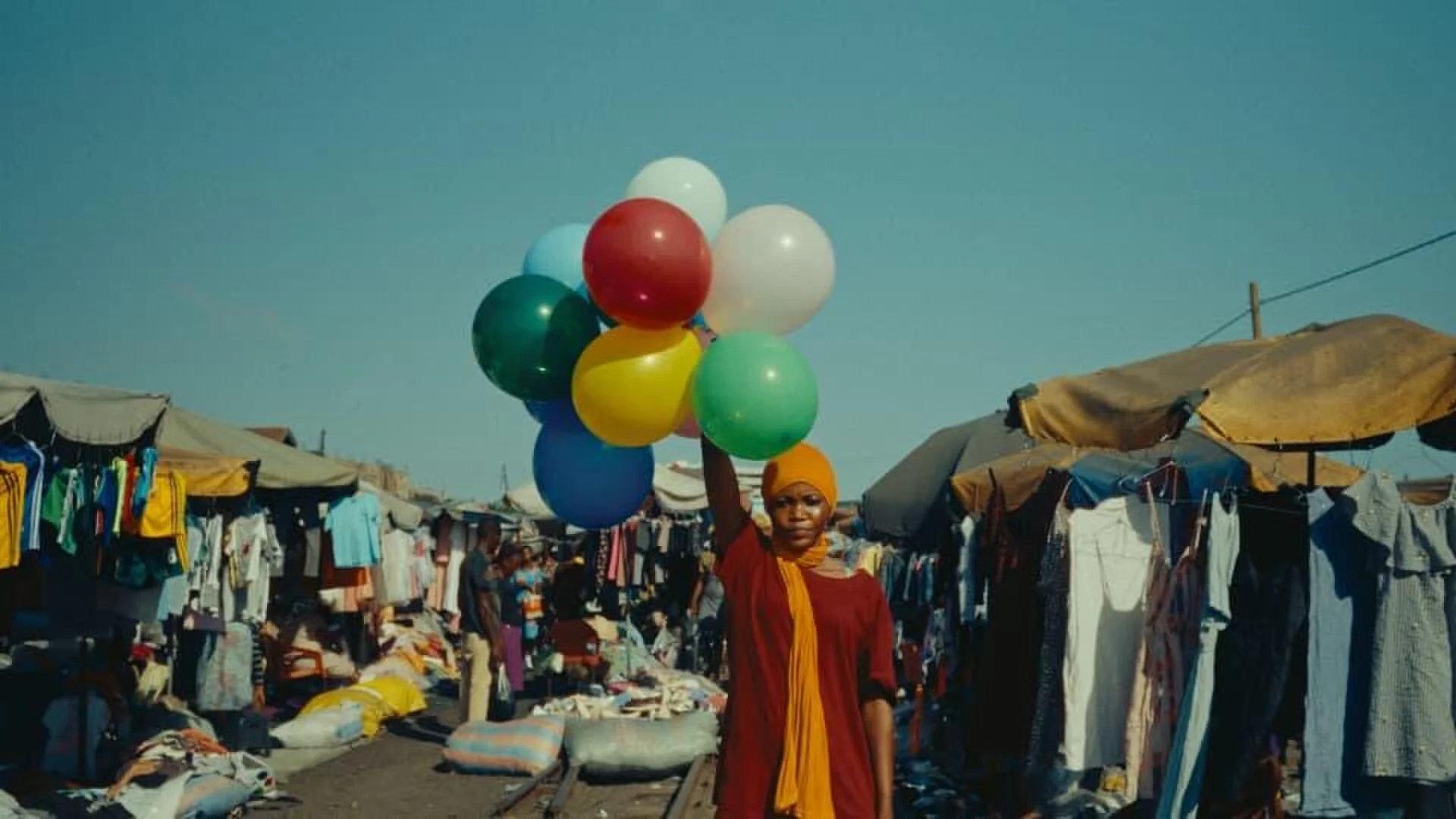
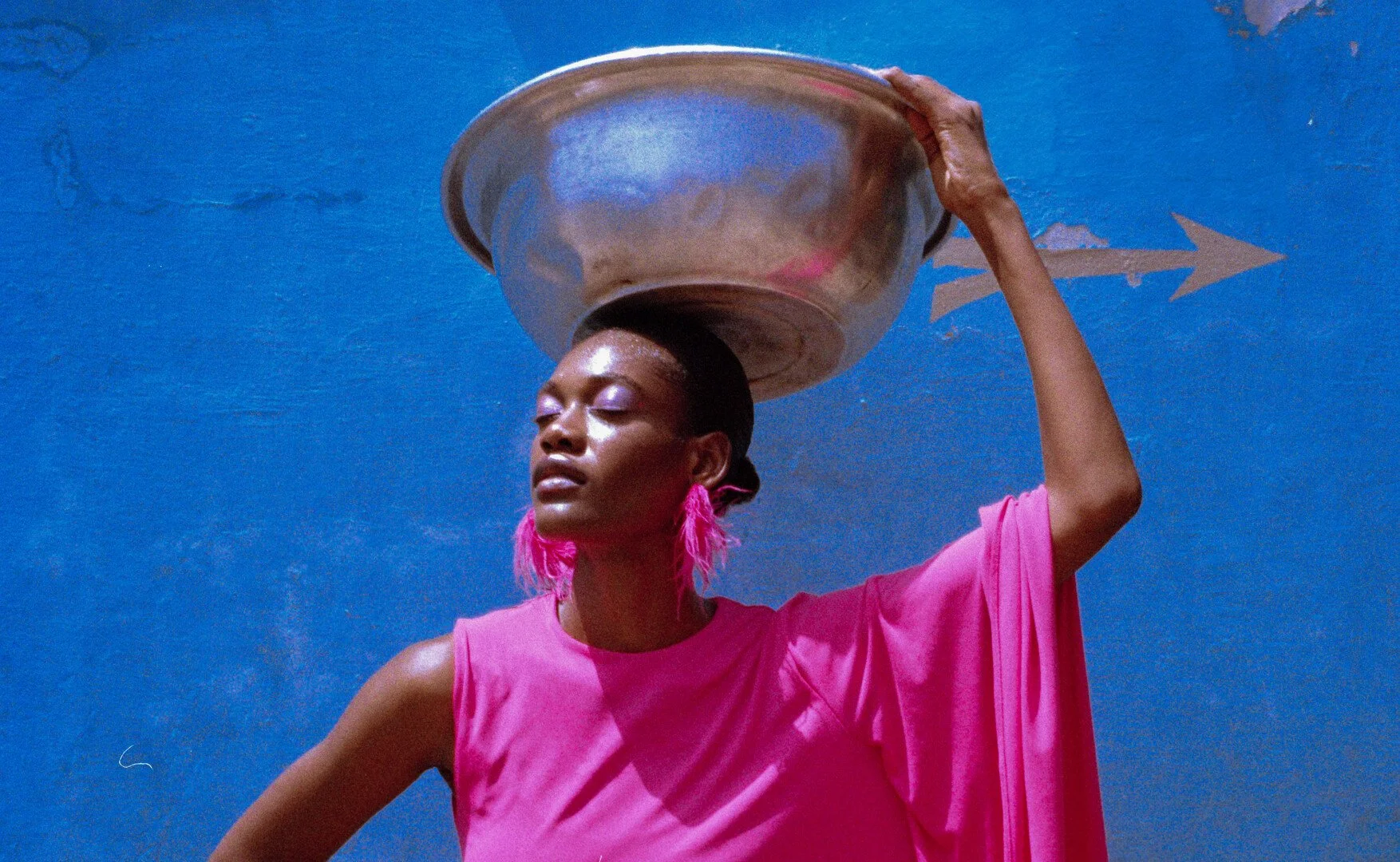
What also excites us is that film crosses political borders. This year's programme of 44 short films, and the six finalists presented at the awards on Friday, show the multiple perspectives of fashion from around the globe.
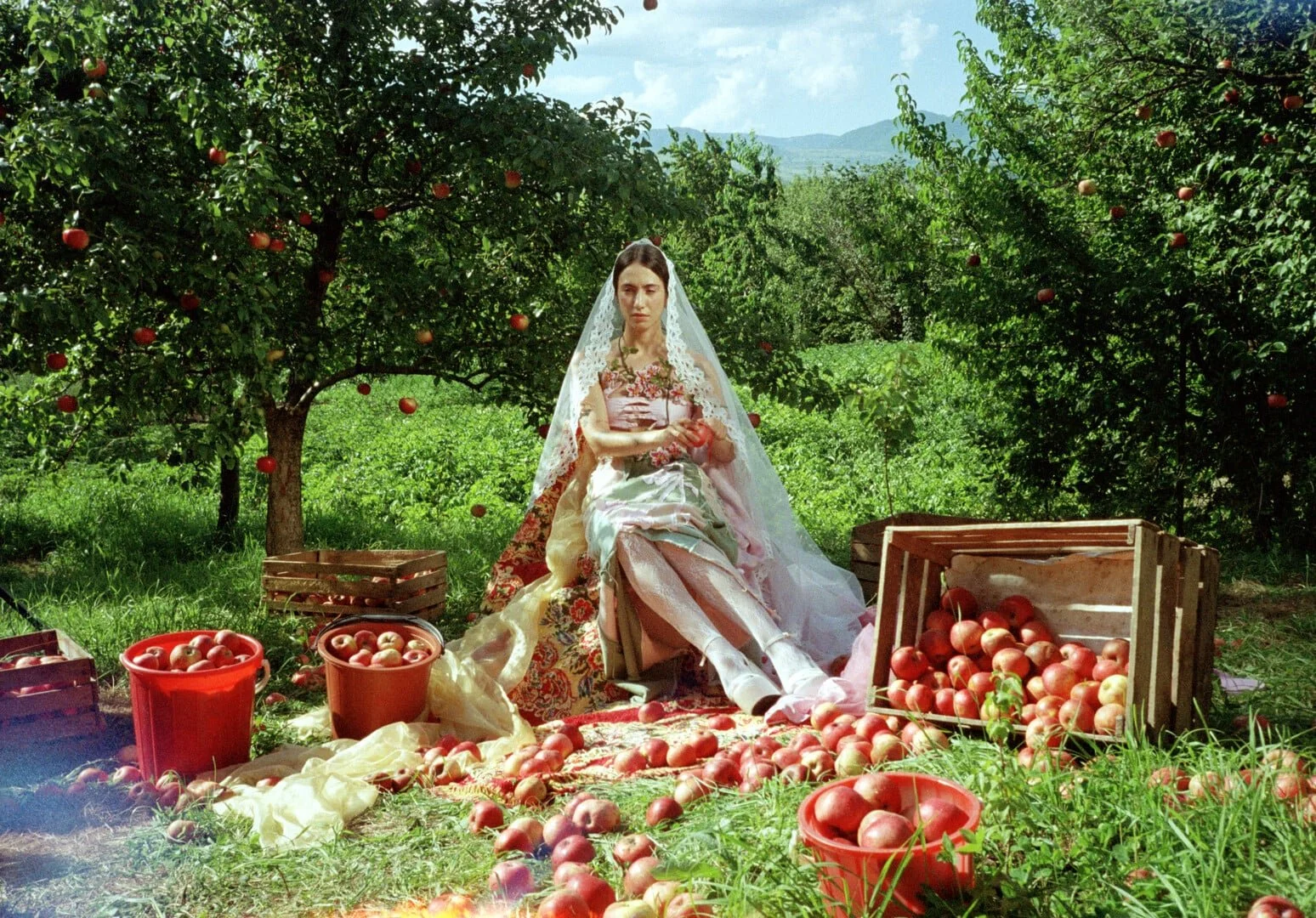
The visual identity for this year’s festival, created by Sudanese artist Hashim Nasr, brings together themes of memory, identity and cultural heritage through a surreal visual language. What drew you to his work, and how does it reflect the conversations you hope this year’s edition will spark?
What draws us to Hashim’s work is how he treats tradition as something alive. In his staged, surreal images, African and Middle Eastern symbols, clothing, rituals and handmade objects become dreamlike scenes in which memory, mythology and contemporary identity blur. Heritage is not only preserved, but reimagined. Working from Alexandria as a Sudanese artist, with a practice that explores displacement, memory and belonging, he brings a perspective that fits our wish to look at fashion beyond the dominance of the Global North.
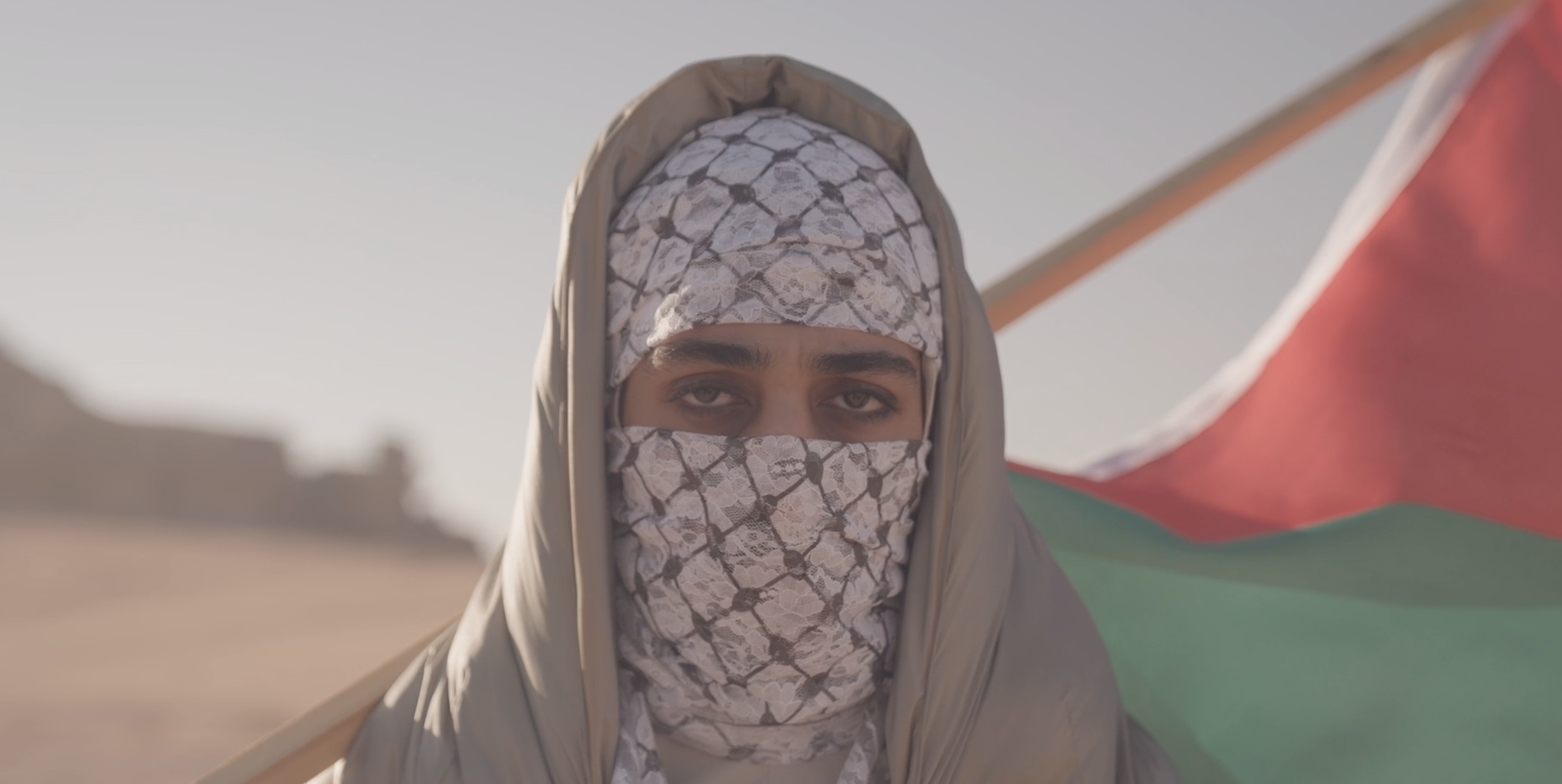
We hope the campaign opens up conversations that also run through the festival: who tells the stories of heritage and identity, and how clothing can carry memory, become a disguise or an act of resistance. You can see this in New Fashion Narratives, for example in Gouled Ahmed’s work on disguise as resistance, or in Studio Paul & Haiko, who rewrite a personal history through a queer lens. It also returns in Mira Verhoeve’s Change the Guards at Amarte x FASHIONCLASH, an object-performance about tradition, dress-up and community.
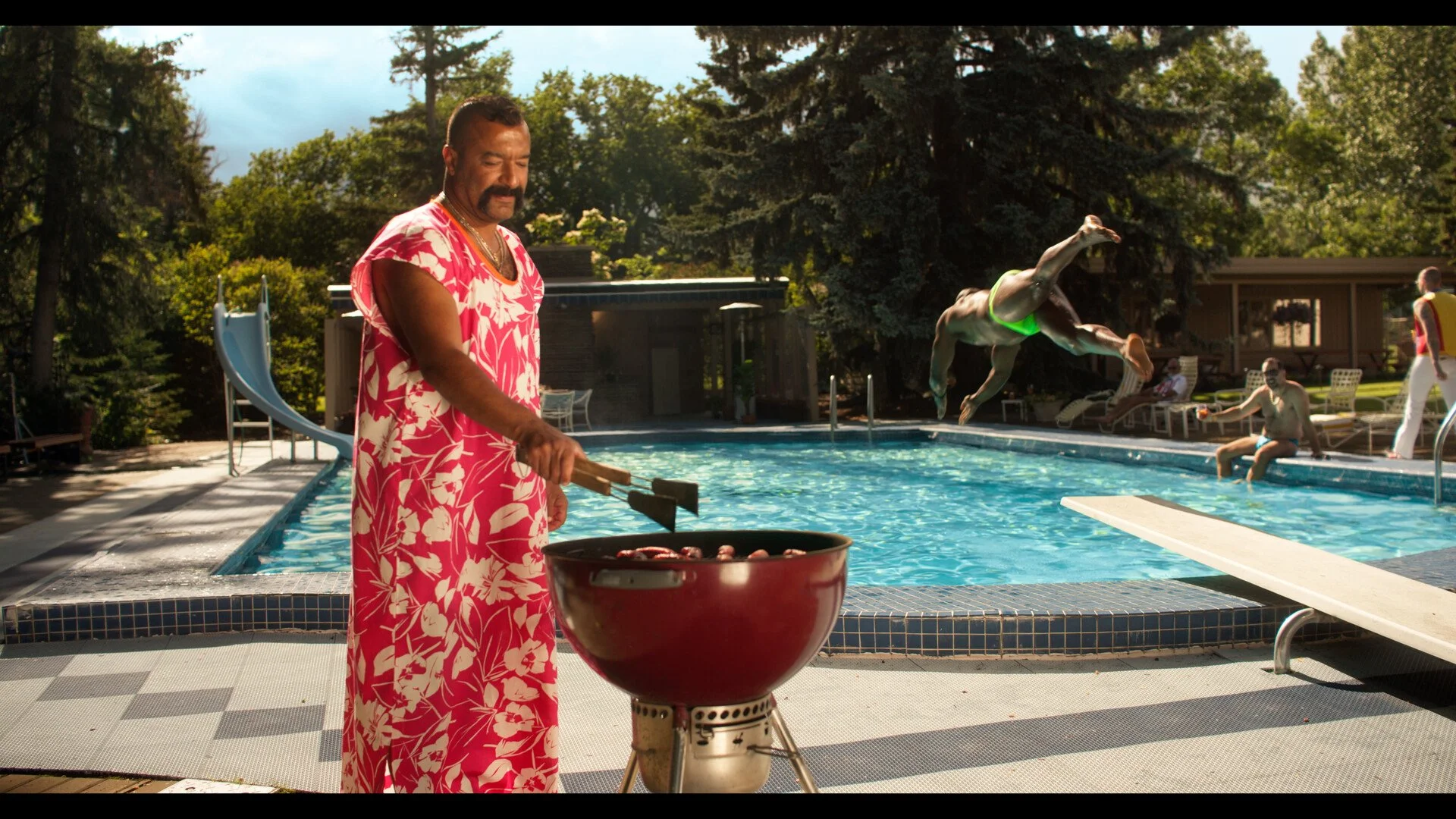
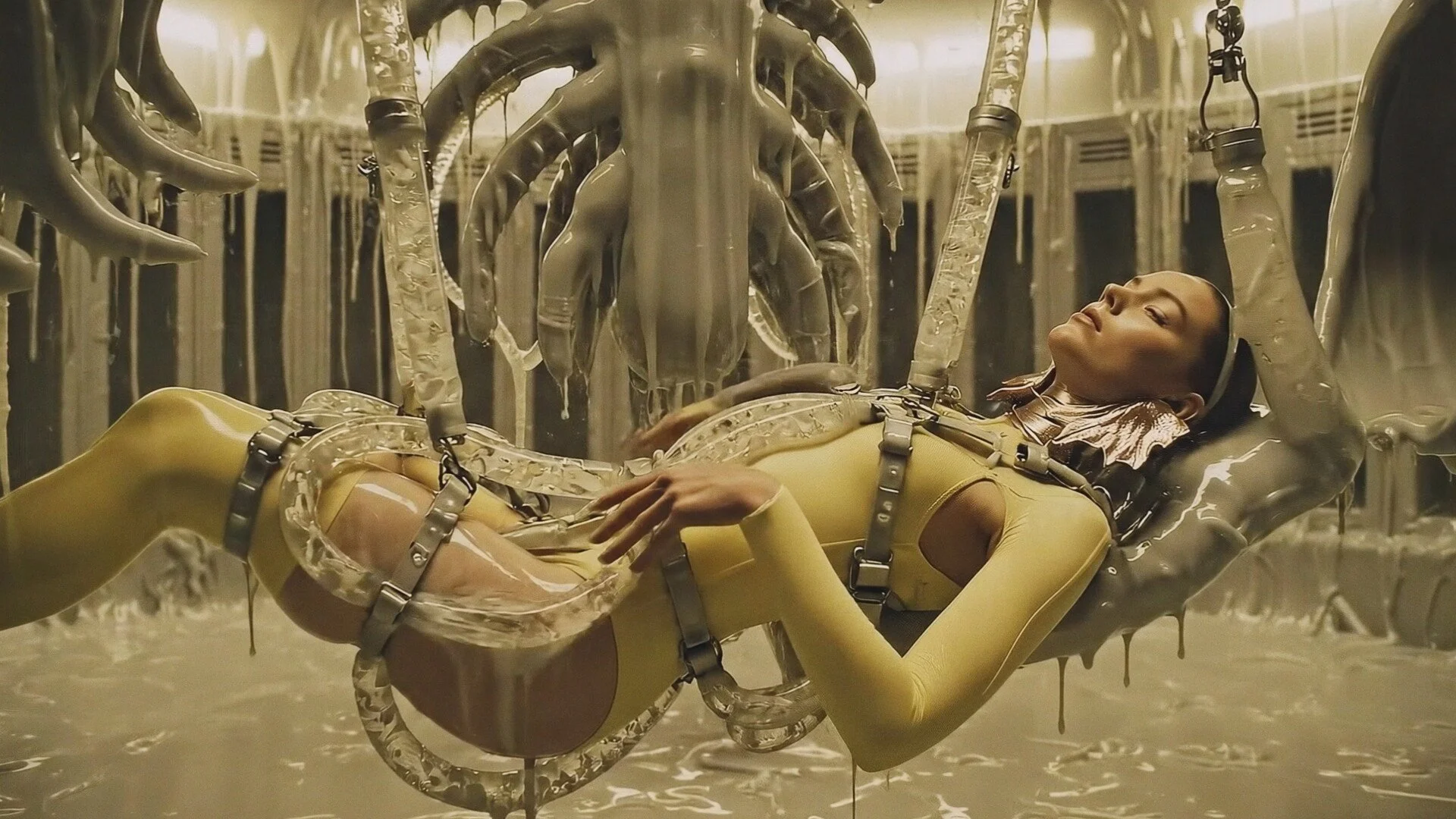
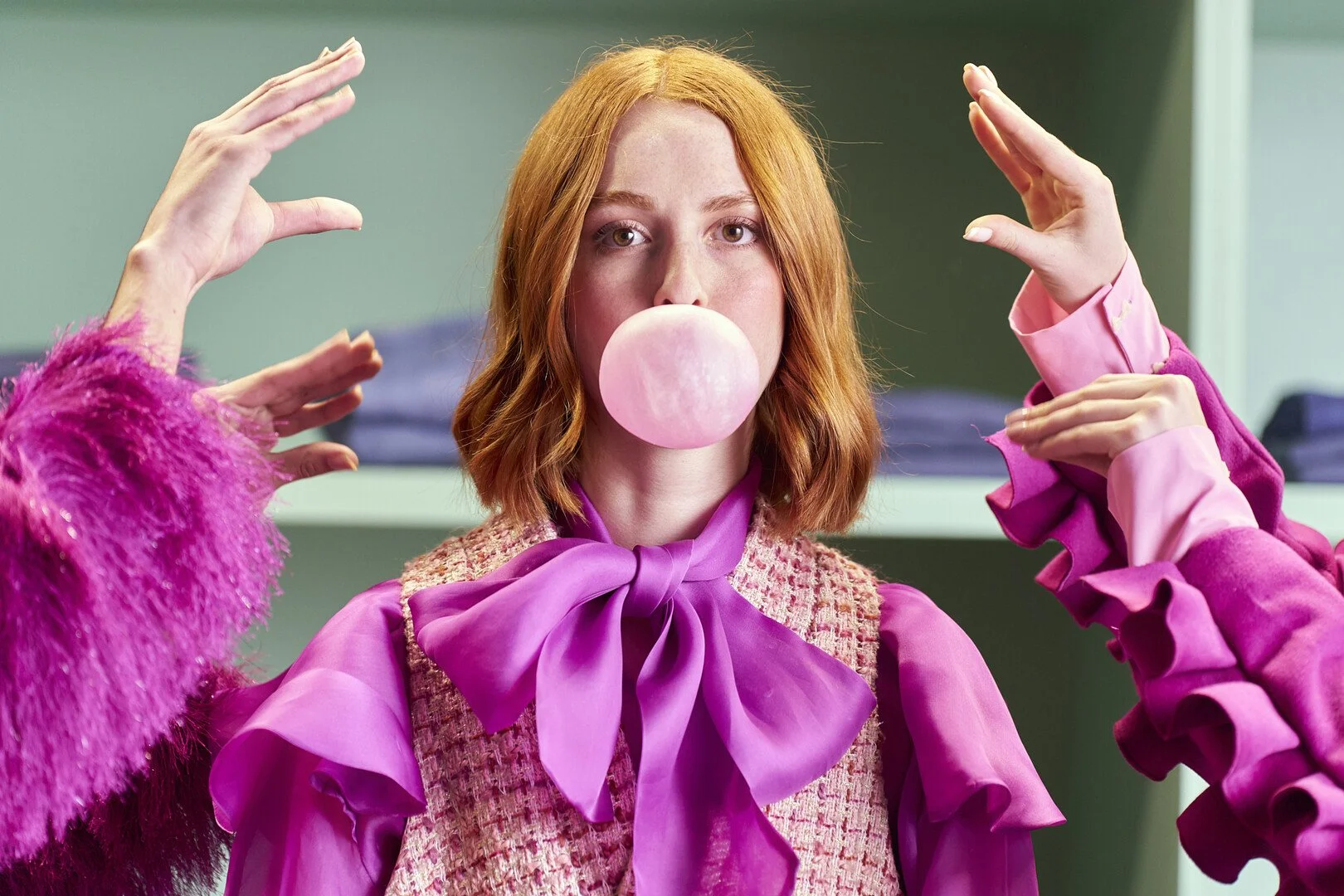
“In each case, the process matters as much as the result, and the festival is where that process becomes visible”
Fashionclash consistently gives space to emerging practitioners, often encouraging collaborations between people who might never otherwise meet. What have you learned about creativity from creating those kinds of encounters over the years?
We have learned that creativity needs both friction and trust. When people from different disciplines, backgrounds or generations meet, they have to explain their assumptions to each other, and that is where new ideas begin. But it only works when there is time, a safe setting and no pressure to deliver a predefined result.
We see this in CLASHLAB, where a fashion designer, a choreographer and a musician work together for two weeks without knowing what will come out, and in Amarte x FASHIONCLASH, where artists from other disciplines are paired with fashion designers. This year this leads to new installations and performances where fashion clashes with art, sound design and performance art. Some of these encounters last long after the festival: makers from earlier editions keep working in each other’s projects. This is something we see a lot from our participants and this makes us so proud of the community around FASHIONCLASH.
We have also learned that the audience is part of the encounter. At the festival, visitors meet the makers directly.
Fashion is often discussed in terms of trends or industry, yet Fashionclash approaches it as a cultural and artistic practice. What do you hope audiences leave with after spending three days immersed in the festival?
We hope visitors leave seeing fashion as more than trends and industry: as a way to tell stories, ask questions and connect people. In three days, they can move from an exhibition at Bureau Europa to performances in the Peutzhal at ENCI, from fashion films at Lumière Cinema to the participatory projects at Centre Céramique, and end the weekend at the Afterparty, where the dress code is to come as the person or creature you always dreamed of becoming. Many parts of the programme are free and open to everyone.
We hope people leave with new perspectives, curiosity, and the feeling that fashion belongs to everyone and that they can help shape it. And ideally with a conversation started with someone they would not otherwise have met.