A journey across Madrid through the city’s extraordinary everyday characters
Directed by David Heofs
words by Isabella Bazoni
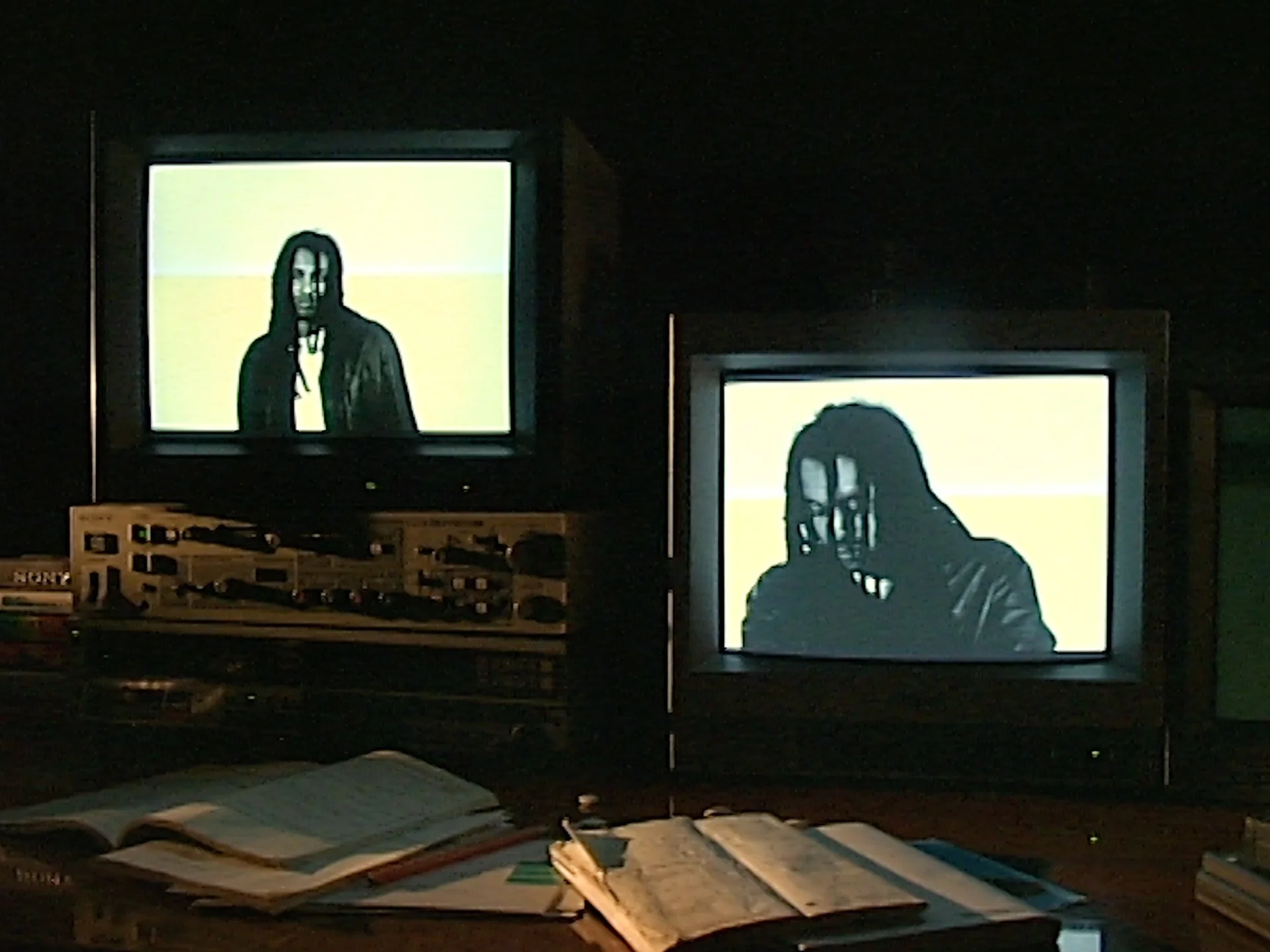
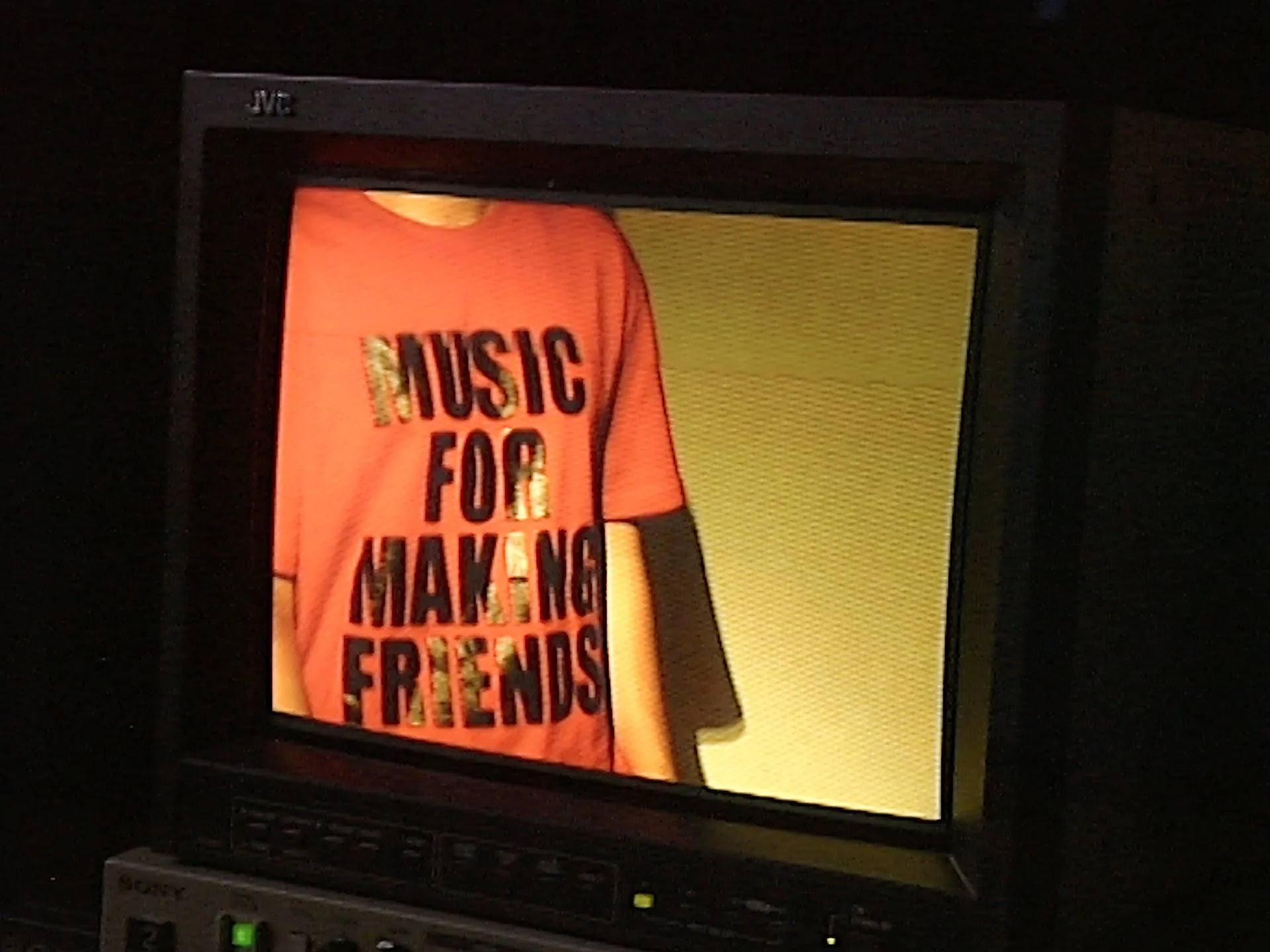
For Spanish director and graphic designer David Heofs, the everyday offers a starting point for images that feel both familiar and unexpected. His latest collaboration with musician Haich Ber Na, Seeing Signs, takes this interest into the streets of Madrid, where the artist encounters a remarkable cast of real-life characters. Filmed during Haich Ber Na’s visit to the city as part of his Music for Making Friends EP tour, the video moves between Guinness World Record holders, yo-yo players, pizza-spinning masters, Paraguayan folk dancers and urban cyclists, bringing together people whose unusual skills and personal passions offer a different perspective on the city.
Rather than constructing a fictional narrative, Heofs builds the film around a series of observational encounters, allowing the personalities and talents of its subjects to shape the experience. Produced by Bandiz and shot over eight days using vintage broadcast and consumer cameras, Seeing Signs draws on the textures of analogue and early digital video to create a visual language that sits somewhere between documentary portraiture and contemporary music video. The result is a portrait of Madrid that finds its character in the people who inhabit it, celebrating the unexpected details and individual obsessions that might otherwise go unnoticed.
Seeing Signs is built around real people rather than a fictional narrative, from yo-yo players and folk dancers to record holders and urban cyclists. How did you find these characters, and what were you looking for in the people who would ultimately shape the film?
In my first conversation with Haich Ber Na, he told me about his EP Music for Making Friends and how he wanted to move away from conventional touring. Instead of playing shows, he was organising listening parties in different cities around the world to connect directly with his fans and meet new people.
When I heard the song, I was interested in bringing that idea to Madrid without interpreting it too literally, using his visit for the listening party as a starting point. I wanted to build a different portrait of the city through people who don’t fit the usual clichés, so I started researching people with very particular passions.
Christian López, “Recordman”, for example, invited us into his home and told us about the many Guinness World Records he has achieved. We filmed several of them, but the record itself wasn’t really the point. What interested me was discovering someone with an incredible level of discipline and passion, and portraying him in his own environment without embellishing it.
The research and the process of getting in touch with these people ended up being fundamental to how the video took shape. Together with my team, we contacted around thirty people directly, and more than half of them appear in the video.
The film was made during Haich Ber Na’s time in Madrid, but it also becomes a portrait of the city through the people you encounter. How did you want Madrid itself to come through in the film, beyond simply acting as its setting?
I wanted the city to appear indirectly, through the people who live there and the spaces that are part of their lives. None of the locations were dressed or altered: they’re the real places each participant suggested to us, where they normally rehearse, work or spend time doing whatever they’re passionate about. We didn’t work with a stylist either. I didn’t want to construct a stylised version of them or of the city. I liked the idea of the portrait of Madrid emerging from all these everyday, personal places.
“I’m especially drawn to starting with something that already exists and finding a different way of looking at it. A lot of what I’m interested in sits right on that line.”
There’s an interesting tension between the spontaneity of documentary and the precision we often associate with music videos. When filming these encounters, how much was planned in advance and how much were you allowing the people, locations and unexpected moments to dictate what happened?
Most of the shoot was shaped by the availability of the people who appear in the video. A lot of the time, we didn’t know exactly what we would be shooting the following day until one of the participants confirmed they could meet us, so from the beginning we accepted that lack of control as part of the process.
On most days we worked with two camera operators because I wanted to capture Haich’s first reactions when meeting and interacting with these people, as well as their skills or demonstrations on the first or second take.
The participants themselves would suggest what they wanted to show us or how they would normally do it, and we tried to adapt to them. We let the people and whatever was happening in front of us dictate a large part of the shoot.
You shot across eight days using a collection of vintage broadcast and consumer cameras. What drew you to those formats, and how did the limitations and particular qualities of each camera influence the way you filmed and ultimately edited the piece?
I’d used some of these types of cameras on previous projects, but this time I wanted them to be a fundamental part of the visual approach, both for their aesthetic qualities and for how well they suited this freer way of shooting. I wanted the edit to move between different formats and textures without trying to homogenise them, while still maintaining visual coherence by working with cameras from similar generations.
With DPs Manu Zafra and Arturo Gómez, we combined different camera models each day: tube cameras, old broadcast cameras and some more experimental devices Arturo had been working with through Videotron, his camera house.
The limitations of these cameras didn’t dictate the edit, but they did help shape the way we shot. It was a very dynamic and unpredictable shoot and, in a way, it brought me back to how I used to work on my early videos: improvising, working with a minimal crew and using lightweight cameras that allowed us to move quickly and react to whatever was happening.
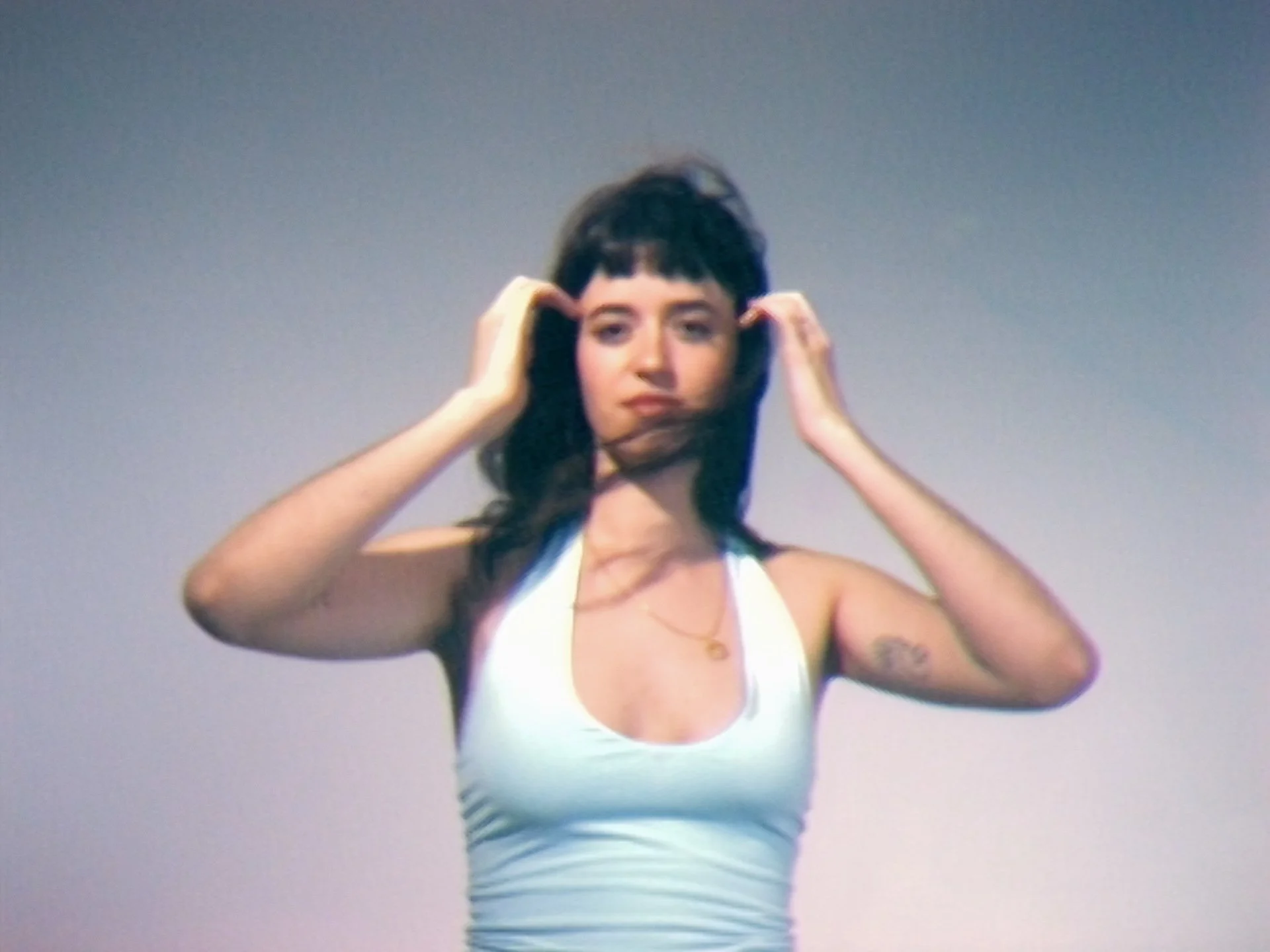
“I like to create a very precise structure from the beginning, and then have the freedom to work within it.”
Your work often finds something slightly unexpected within everyday people, places and cultural phenomena. What attracts you to working with reality in this way, and what does documentary allow you to find that you might not arrive at through a completely constructed image?
One of the things that motivates me most when starting a project is researching and discovering something I didn’t know about before. There are people, places and small worlds I could probably never come up with from scratch.
I’m especially drawn to starting with something that already exists and finding a different way of looking at it. A lot of what I’m interested in sits right on that line: someone might see a character or a situation and assume it was created for the video, when in reality it was already there before we arrived.
You come from both directing and graphic design, and there’s a strong sense of composition and visual structure throughout your work. How does your design background influence the way you approach filmmaking, particularly when you’re working with material that is inherently unpredictable?
Being a graphic designer helps me structure what I’m seeing in the moment. I have quite an intuitive relationship with colour, palettes and composition, both when choosing a space and deciding where things should sit within the frame.
I really like composing from a static frame. Even when I know the camera is going to move, I usually start by thinking about what that frame would look like and how the light and colours work together within it. That really helps when I’m working with more unpredictable situations: I might not be able to control what’s going to happen, but I can still decide how to look at it and how to frame it.
The designer side of me also comes out when I edit. I’m quite methodical and obsessive about organising the material: I organise clips by colour and build the timeline almost like a castle, stacking layers of clips above and below. I can go through the edit countless times until I feel that every shot has a reason to be there.
At the same time, my design work isn’t particularly rigid; it’s quite manual and free. I think that’s where my way of working as a designer and filmmaker comes together: I like to create a very precise structure from the beginning, and then have the freedom to work within it.
director — DAVID HEOFS
production — BANDIZ
directors of photography — MANU ZAFRA & ARTURO GÓMEZ
camera & CRT curation — VIDEOTRON
talent producer — SERGIO POLVORINOS
casting director — XIKER GABIRONDO
art director — MARÍA RAMÍREZ
1st AC — MOISÉS SERRANO
editors — DAVID HEOFS & RAFAEL MARTINEZ CALLE
colourist — MARIO LORENTE
starring:
Guinness World Records holder — CHRISTIAN LÓPEZ (RECORDMAN)
riders crew — BICIMADNESS
Paraguayan folk dance ensemble — ESCUELA DE DANZA KATHIA CORONEL
acrobatic freestyle pizzaiolo — ISMAEL REMESAL FERNÁNDEZ
1996 Volkswagen Polo Harlekin customizer — FLORIAN CASITAS
yo-yo artist — GUILLERMO VICENTE CHARCO
aerial silks performer — LOLA MARLOFI
casting — IRENE BOLÍVAR, AKIO BERGER, ALESIA RODRIGUEZ, LOLA VELA, JUANA DONADO, IÑAKI MARCOS & XIKER GABIRONDO