SOMETHING TO MISS
A fragmented portrait of love, memory and the things left unsaid
Directed by Brendan Barnard
words by Isabella Bazoni
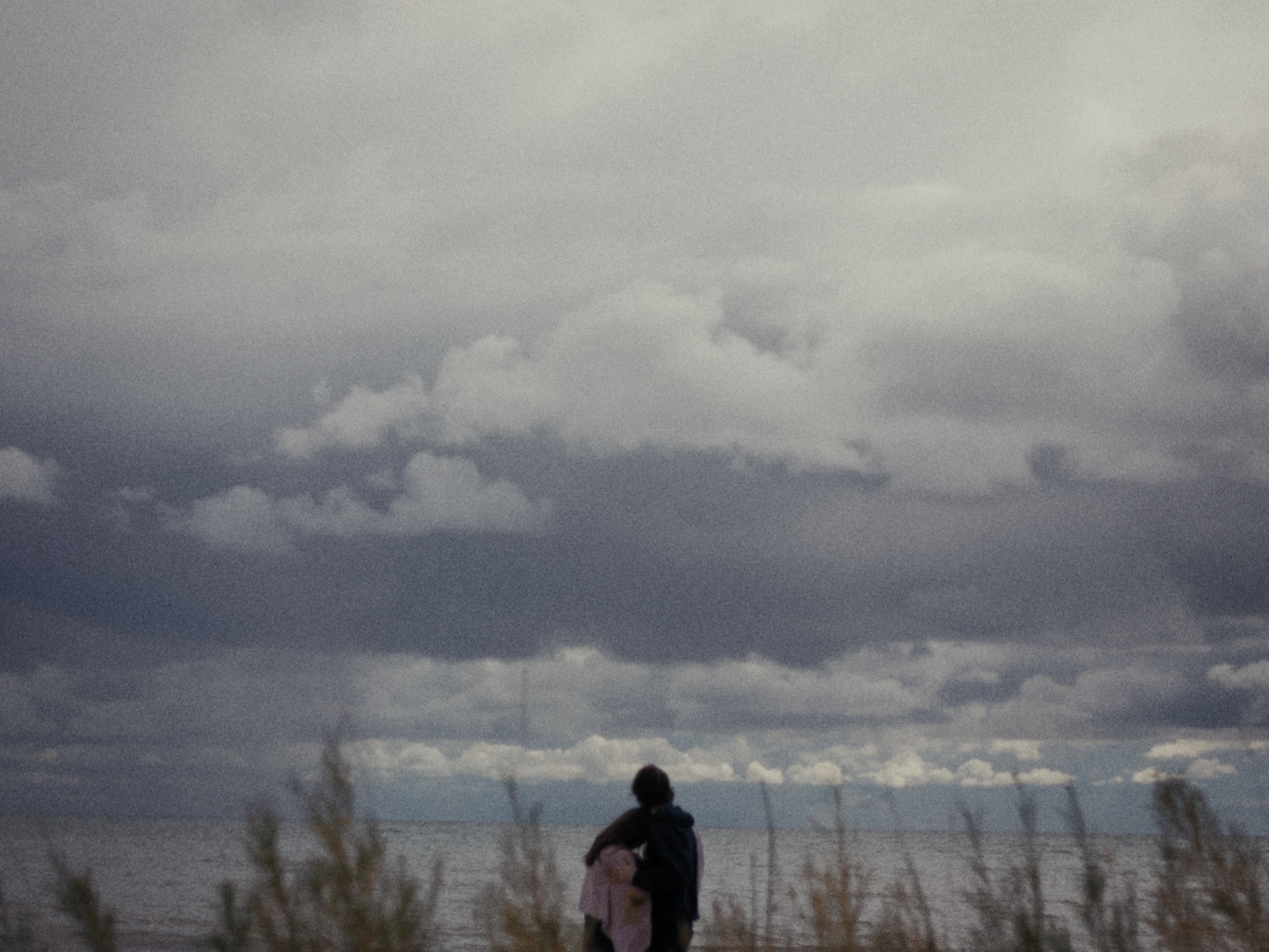
In Something To Miss, director Brendan Barnard explores the lingering traces of a relationship after it has ended. Moving between a present-day phone conversation and fragments of a shared past, the film reconstructs intimacy through small details: memories that surface unexpectedly, things that were left unsaid, and the realisation of how much can remain unseen and unsaid between two people. Rather than presenting the relationship as a complete story, Barnard allows it to emerge through fragments, creating a portrait of love shaped as much by absence as by what remains.
Based in Toronto and often living out of his van, Barnard brings a sense of movement and documentary realism to his filmmaking, combining intimate human stories with a carefully considered cinematic language. In Something To Miss, that balance becomes particularly important. The film sits between recollection and the present moment, using its shifting structure to explore what happens when people look back at something they once shared and begin to understand it differently.
“It’s an uncomfortable place to sit, but I think that’s where a lot of honesty shows up, once you’ve had time to reflect.”
The film centres on two people who are only able to speak honestly with each other once their relationship is over and there’s distance between them. What interested you about that particular emotional space?
The pure discomfort of that space is exactly what interested me. I knew that I wanted to focus less on the break-up in the story itself, and more on that strange window right after the break-up, where you process everything that happened. It's an uncomfortable place to sit, but I think that's where a lot of honesty shows up, once you've had time to reflect.
The memories in Something To Miss are built around small, everyday details rather than major moments in the relationship. How did you decide which fragments to focus on, and what interested you about the way seemingly insignificant details can take on a different weight once a relationship has ended?
I think the "big" moments matter, but what actually comes back to you most are the small details that either felt insignificant at the time, or that you didn't even necessarily notice in the moment. The way the sunlight hits the wall, a specific food, the way someone says a word. I think there are a lot of things like that which can drift back into your life more than you expect. So it wasn't about focusing on any major moments, but more so the ones that keep coming back.
The film moves between a present-day phone conversation and vivid fragments of the relationship without drawing a hard line between the two. How did you approach that structure, and how did you want memory to feel different from—or bleed into—the present?
I didn’t want a clean beginning, middle, and end to their story. I wanted the structure to mirror how a memory actually behaves, a fragment that can interrupt the present at any time. That’s why I liked the idea of starting their conversation as if it had already begun. We’re just dropped right into it. The film also ends the same way. There is no real resolution of what happens next; it just ends. At one point, we did have scenes of Dalton in present day, but it felt stronger to not define what was present and what was the past, and just let people interpret that on their own.
“I think with making this film, I’ve come to better understand the strength of being vulnerable, and although it’s scary, it’s what forms the foundation of a real connection.”
There’s an intimacy to the performances that makes many of the moments feel observed rather than staged. How did you work with Dalton Mugridge and Carla Parietti to find that naturalism, particularly within such emotionally vulnerable material?
Going in, we knew what sort of moments we wanted to capture, but we left a lot of room for natural play within the scenes. We'd sit in the space where the scene would take place, and together we'd find what felt true for that moment. A lot of the time, we'd just put Dalton and Carla in the location and let them play, and those ended up being our best moments. I wanted to give them both a lot of freedom to do what felt real to them, and they were both so great at just being in the moment and finding what was right.
Your work sits between cinematic craft and documentary realism. How did you and cinematographer Mat Barkley approach the visual language of Something To Miss, and where did you deliberately allow imperfection or spontaneity into the images?
Mat and I didn’t storyboard anything or work off a strict shot list. In the same way we worked with our actors, we knew which beats we needed to hit and which scenes needed more coverage, but a lot of it came from just getting into the space and staying open to what felt right. It was a very documentary-style approach, and we leaned into the realism of each image. It was a lot of fun working with Mat, and having someone who was open to that kind of approach. There’s actually a good amount of shots and scenes in the film that we had just come up with in the moment and never planned.
The film ultimately touches on the sadness of realising how much of yourself you left unseen within a relationship. What drew you to that idea, and did making the film shift the way you think about vulnerability or what it means to really let another person know you?
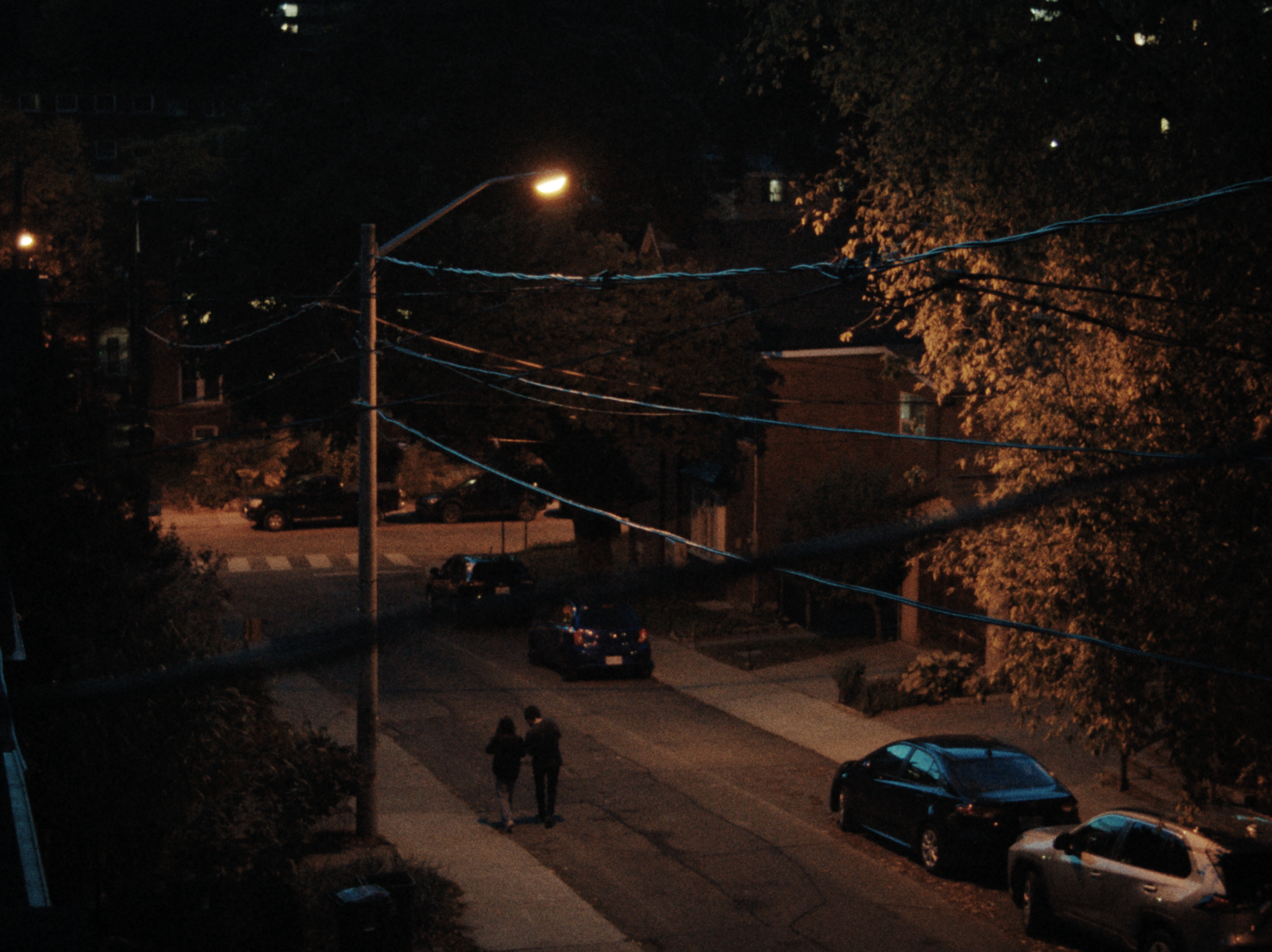
I think the film came from me becoming aware that I'm someone who typically keeps his walls up and doesn't let people see a lot of me. It was really just an idea about trying to process some past feelings and emotions. I think with making this film, I've come to better understand the strength of being vulnerable, and although it's scary, it's what forms the foundation of a real connection.
writer & director — BRENDAN BARNARD
starring — DALTON MUGRIDGE, CARLA PARIETTI
producers — RYAN COWAN, MAT BARKLEY
executive producers — SARAH BRANNAN, MICHAEL REN
production company — IBUKI FILMS
director of photography — MAT BARKLEY
production designer — BECCA CLAPPERTON
editors — MATT BLAKLEY, BRENDAN BARNARD
colourist — KEVIN WU
colour house — FEATHER
original music — DREW LAMBESKA, S. QUINN HOODLESS
sound designers — S. QUINN HOODLESS, DREW LAMBESKA